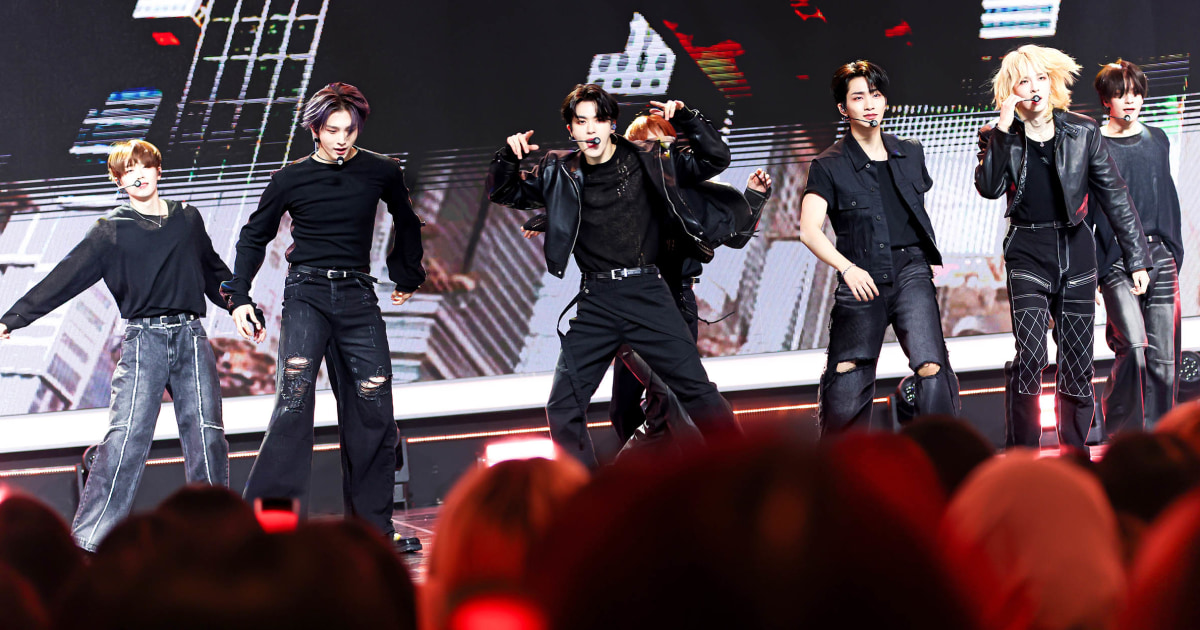

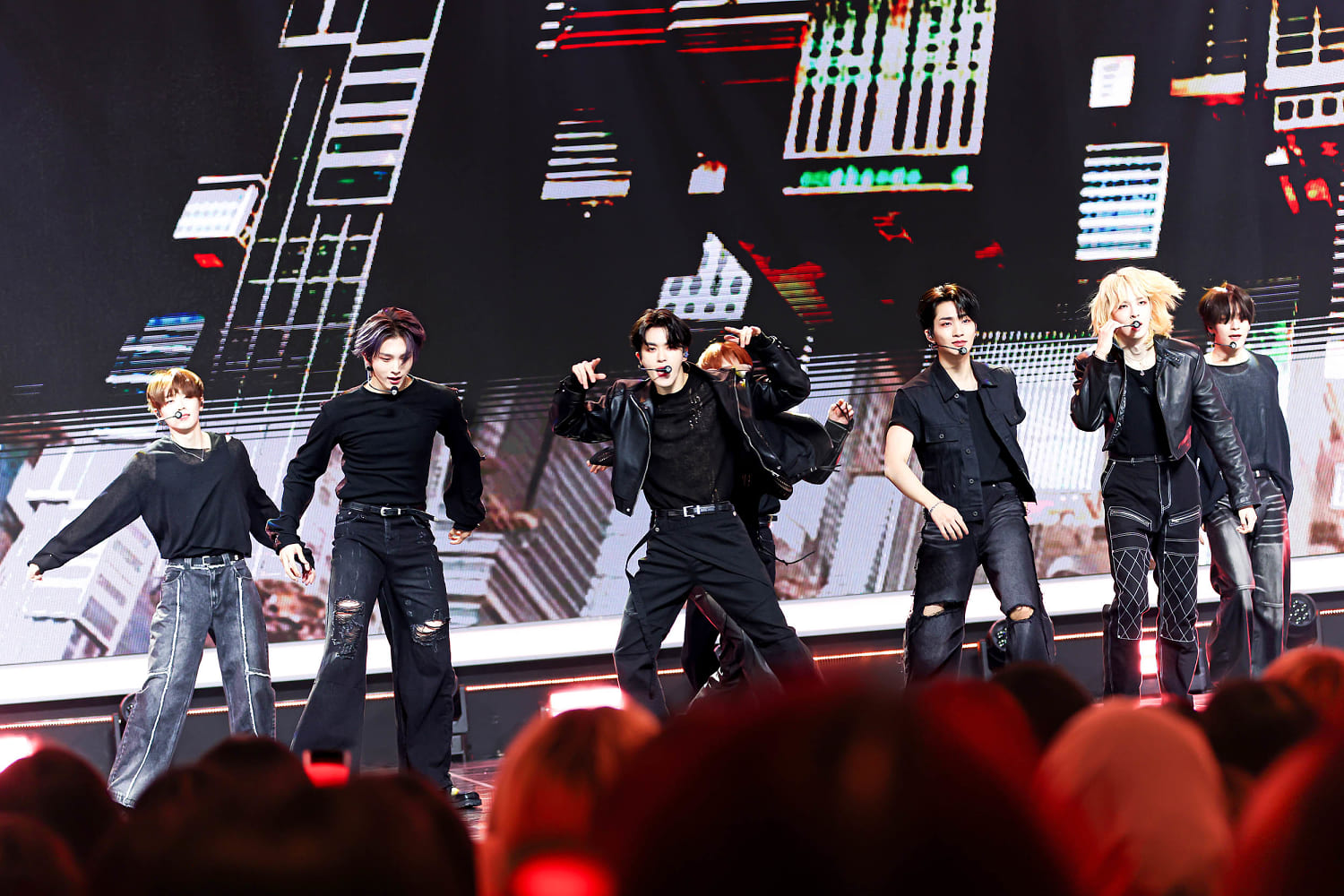
HONG KONG — The concert was planned to be modest yet meaningful: the first appearance of an all-Korean K-pop band in mainland China following an unofficial ban on such events for nearly a decade.
This was thrilling news for fans like Haerin Ouyang, a university student in Fuzhou, a coastal city in China, where the South Korean boy band Epex was scheduled to perform on Saturday.
But the show was canceled earlier this month, less than two weeks after it was announced, leaving Ouyang “heartbroken.”
“The venue is only a 10-minute ride from my school, and it would have been fun to go with friends,” she said.
C9 Entertainment, the company managing Epex, attributed the cancellation to “local circumstances” in their announcement on May 9, quashing hopes that China was finally welcoming K-pop performances since 2016.
The ban, which China has never officially acknowledged, began after South Korea announced the deployment of an American anti-ballistic missile defense system that China said was aimed at constraining its power in the region.
Before the ban, China — the second-biggest music market in Asia after Japan — was one of the fastest-growing markets for K-pop and other South Korean pop culture, whose rapid rise in global popularity is known as the Korean Wave, or hallyu.
“In the K-content and K-pop markets as well, China’s consumer power is regarded as top-tier,” said Kang Soyoung, a professor at Seoul Digital University.
The China ban is estimated to have cost the South Korean economy almost $16 billion since 2016, she said.
But the Epex concert’s cancellation does not necessarily reflect the official position of the Chinese government, Kang cautioned, as China has been gradually reopening to South Korean culture after years of tension.
While K-pop acts have been blocked, other South Korean bands have been allowed to play. In April, the South Korean hip-hop trio Homies became the first all-Korean act to perform in mainland China in eight years. A South Korea-based Korean American musician in a one-man indie rock band performed in the Chinese cities of Xi’an, Wuhan and Zhengzhou in late 2024 and early 2025.
A large-scale K-pop joint concert is also scheduled to be held in September at a 40,000-seat stadium in the Chinese island province of Hainan. The Korea Entertainment Producers’ Association, which announced the event in April, did not reply to an email asking whether that concert is still going ahead.
Kang said she believed the hallyu ban would soon be lifted and the Hainan concert would “proceed without issue.”
There are also signs of growing business ties. Hybe, the South Korean entertainment company that manages the global K-pop sensation BTS, recently opened an office in Beijing, according to South Korean media. On Friday, China’s Tencent Music was set to become the second-largest shareholder in the other major K-pop label, SM Entertainment, after Hybe said in a regulatory filing that it would sell Tencent its entire stake.
“It shows that there is a greater opportunity for collaboration between the two countries, especially in the entertainment industry,” said Ellen Kim, director of academic affairs at the Korea Economic Institute of America. “It might be a starting point for industry-level cooperation that could open more doors between the two countries.”
The diplomatic thaw extends beyond culture. In November, China said it would grant visa exemptions for South Korean visitors, and South Korea has said it will do the same for visitors from China.
China’s growing friendliness toward South Korea might be partly motivated by the unstable situation on the international stage, Kim said. Both countries face increasingly hostile and unpredictable U.S. trade policies under President Donald Trump.
In addition, China is struggling with weak domestic consumption that would be aided by K-pop’s high-spending fans.
China has also been strengthening its own entertainment industry and has more confidence in it, Kang said, pointing to the record-breaking success this year of the Chinese film “Ne Zha 2,” the world’s highest-grossing animated film ever.
“It now has robust resilience against the ‘invasion’ of foreign content,” she said.
China’s potential thaw toward South Korean entertainment comes as it further restricts the number of Hollywood films allowed to be screened in its theaters in response to Trump’s tariffs.
China-South Korea ties could also get a boost from next week’s South Korean presidential election. The front-runner, Lee Jae-myung, is considered friendlier to China than his predecessor.
“If he wins, it might be a matter of time that things will change, which will allow the Korean entertainers to come into the country and play their music,” Kim said.


