
Share this @internewscast.com

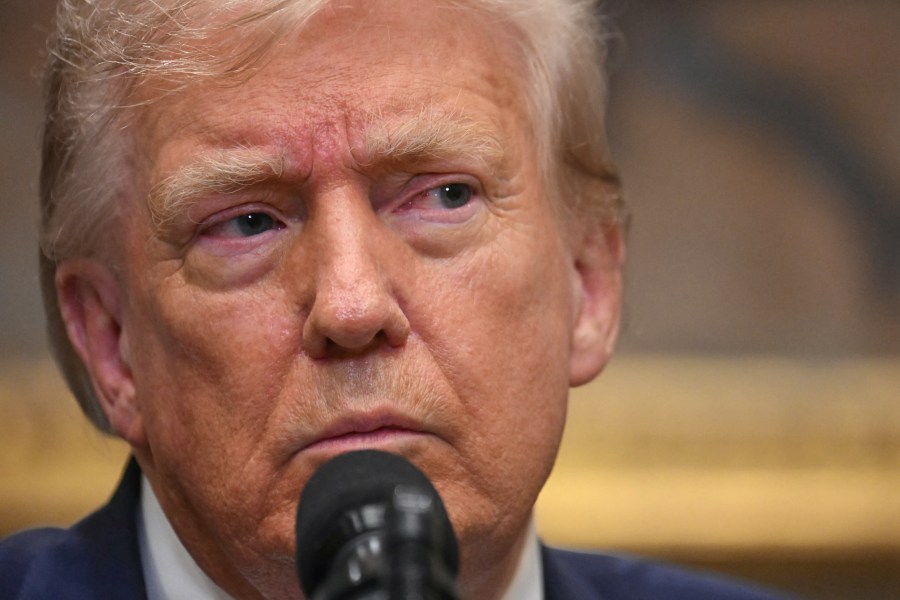
() Veterans will no longer be exempt from work requirement rules for food stamps under President Donald Trump’s new tax law, leaving many worried about how they will find employment.
The Supplemental Nutrition Assistance Program, which is the federal aid program formerly known as food stamps, currently allows work exemptions for veterans, but that will soon end under legislation signed into law last month.
Starting in 2026, veterans will have to prove they are working, volunteering, participating in job training or looking for work for at least 80 hours a month to keep their food stamps beyond three months unless they qualify for another exemption, such as having certain disabilities, reported Stateline.
About 1.2 million veterans live in households that participate in the SNAP program, according to the Center on Budget and Policy Priorities.
“What I’m trying to do is get settled into, you know, stabilize into an apartment. I have the credentials to get a job. So it’s not like I’m not gonna look for a job. I have to work. I’m in transition, and the obstacles don’t make it easy,” Darryl Chavis, a former Army service member, told Stateline.
“Nobody even came to help me,” Chavis, who said he was diagnosed with post-traumatic stress disorder from his service, told the outlet.
Veterans have lower employment rates largely due to the fact that fewer veterans are looking for work, since they have more health conditions from serving and lower educational attainment, according to the Center.
Veterans may face barriers to employment, such as little work experience beyond military service, trouble finding employment that matches their skills, discrimination by employers or lack of access to support services, they said.
In addition, Black and Latino veterans experience higher unemployment rates than white veterans, the group states.
While many veterans say the new work requirements don’t take into consideration the additional barriers they face, those who support the measures say eligibility changes are necessary to stop people who could be working from abusing the system, Stateline reported.
“Most of the people that are in this category live in households with other people that have incomes, and so there really isn’t a chronic food shortage here,” Robert Rector, a senior research fellow at The Heritage Foundation, a conservative think tank, told the outlet. “We have tens of thousands of free food banks that people can go to. So it’s just a requirement to nudge these people in the proper direction, and it should no longer go unenforced.”