
Share this @internewscast.com
DENVER (KDVR) Colorado Parks and Wildlife is on the lookout for invasive species in the Colorado River, following the discovery of zebra mussel veligers in the river last July.
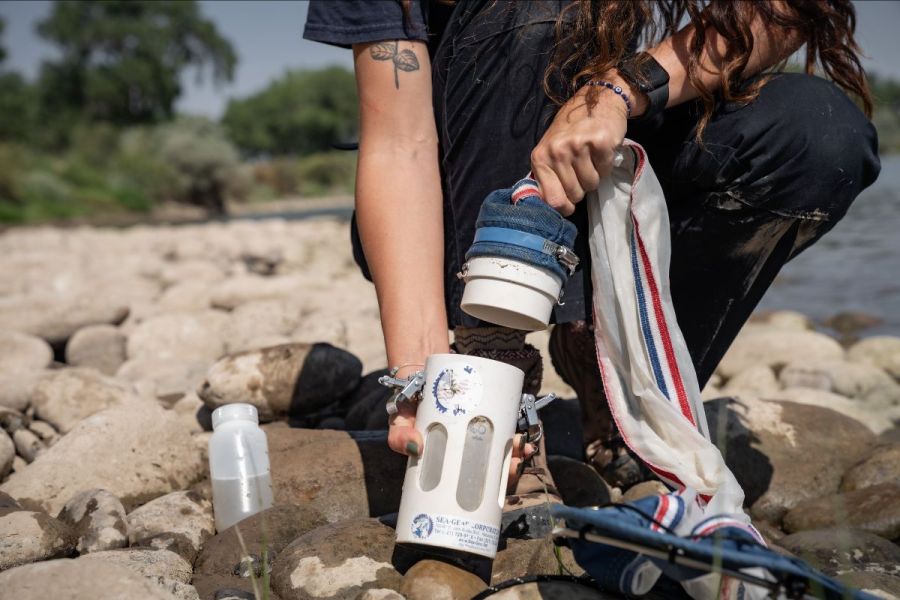
The agency said it has begun conducting weekly shoreline and water sampling along sections of the Colorado River between Glenwood Springs and the Utah border as part of increased aquatic nuisance species sampling efforts.
CPW said its ANS technicians along with wildlife officers and state park staff will also be engaged in increased invasive species education efforts during boat launches over the summer between Palisade and Loma.
“When we think of ANS prevention, we often only think about motorized boats and forget about other ways invasive species can be introduced or spread,” said Robert Walters, CPW’s Invasive Species Program Manager, in a statement.

Methods for finding invasive mussels
ANS sampling efforts involve using a fine mesh net to filter plankton from slow-moving water in the Colorado River, according CPW. The water samples are then sent to a lab in Denver where they are evaluated for the presence of mussel veligers.
The agency said its ANS technicians will also conduct shoreline surveys by inspecting surfaces where zebra mussels may attach, such as rocks and other hard surfaces.

Colorado River users urged to help prevent exposure
Invasive species can be introduced to a river in a number of different ways, according to CPW, including from motorized and hand-launched vessels, such as paddleboards and kayaks, or by anglers.
CPW is encouraging anglers to clean, drain and dry their gear, while those with motorized or hand-launched vessels are asked to do the same for their watercraft.
“By taking the extra time to complete a few simple steps, you can help prevent zebra mussels, or any other invasive species, from spreading to other bodies of water throughout Colorado,” Walters said.