
Share this @internewscast.com
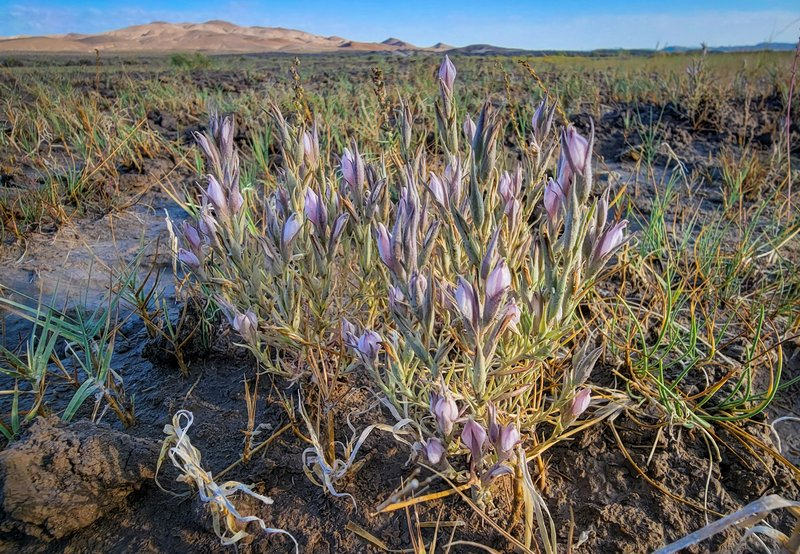
LAS VEGAS (KLAS) A lawsuit filed on Tuesday argues the federal government knows a rare desert wetland wildflower is in trouble, but it isn’t doing enough to save it.
The Center for Biological Diversity (CBD) accuses the U.S. Fish and Wildlife Service (USFWS) of delays and a failure to meet a deadline in protecting the Tecopa bird’s beak.
“The deadline for publication of the 12-month finding was September 26, 2024, but the Service has not yet made a 12-month finding for Tecopa bird’s beak. The finding is thus past due,” according to the lawsuit.
The lawsuit, filed in U.S. District Court in Las Vegas, says USFWS violated the Endangered Species Act by delaying its decision on whether to list the wildflower. In October 2024, the agency said the species may qualify for protection. That started a yearlong review.
“As a groundwater-dependent species in the nation’s driest state, the Tecopa bird’s beak is uniquely vulnerable to extinction and needs to be protected,” Patrick Donnelly, Great Basin director at the Center for Biological Diversity, said. “The Fish and Wildlife Service has delayed long enough. We’re suing to make sure that these special little plants get the protections they need before it’s too late.”

Threats to the wildflower range from groundwater pumping for agriculture to climate change, CBD said in a news release. Three known populations of the wildflower exist. One is near Tecopa, California, where groundwater has dropped due to pumping in nearby Pahrump, Nevada. Two other populations are in Fish Lake Valley and Ash Meadows National Wildlife Refuge.
The lawsuit cites the work of botanist Peri Lee Pipkin. Her work has “greatly expanded knowledge about the Tecopa bird’s beak,” CBD said. She joined the group in the lawsuit against USFWS.
“Tecopa bird’s beaks are a vital part of the alkali wetland ecosystem and without urgent protections they could go extinct,” Pipkin said. “Biodiversity is what makes life on Earth possible and every extinction pushes all of us closer to the brink of collapse. The Endangered Species Act is our best tool to stop the extinction crisis, and I’m glad to join this lawsuit to protect these beautiful wildflowers.”