Share this @internewscast.com
When people think of Florida, images of oranges and pineapples often come to mind.
However, this perception might soon change.
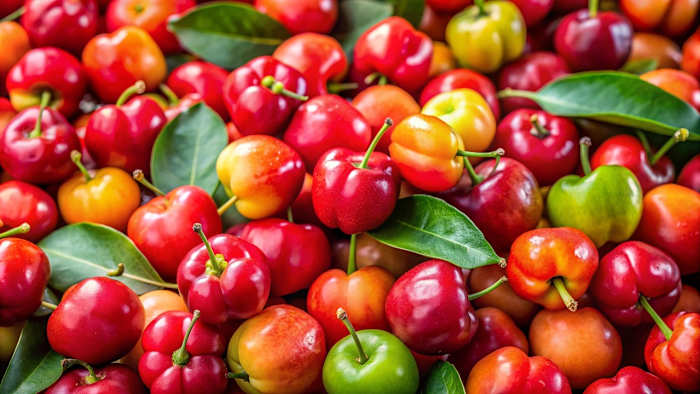
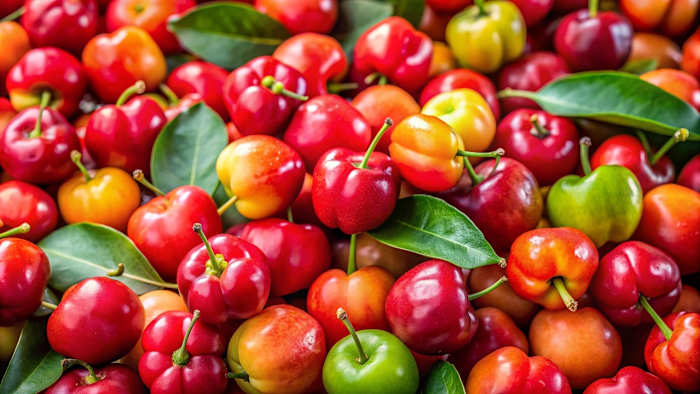
Researchers from UF/IFAS are exploring the idea of introducing acerola as the next prominent crop in the Sunshine State.
Acerola, also known as “Barbados cherry,” thrives in regions like the Caribbean, Brazil, and Mexico, as well as other areas of Central and South America.
Experts suggest that this small cherry is packed with vitamin C and antioxidants, earning it the title of a “superfruit.”
According to UF/IFAS representatives, just one cup of acerola can deliver over 1,800% of the recommended daily vitamin C intake, far surpassing that of traditional fruits like oranges or lemons.
However, these aren’t actually cherries (acerolas are considered berries), and their flavor has been described as tart and acidic, with a few sweeter varieties out there.
So far, researchers have been working with a Brazilian colleague to grow the acerola in Florida and garner a better genetic understanding of it.
To do so, UF/IFAS scientists have put together three major field trials across the state: one in Citra, another at a farm in Pierson, and a third at a research center in Homestead.
“Our central goal is to determine the best regions and practices for growing acerola, while understanding how climate conditions influence fruit quality and nutritional value,” said horticultural scientist Felipe Ferrão, who’s leading the project.
The research comes as Florida growers struggle with “citrus greening‚” a disease that’s been spread to crops in the state thanks to the invasive Asian citrus psyllid.
As for the disease itself, it makes infected plants unable to reproduce, so the spread can significantly lower crop yields and eventually kill infected trees.
Signs of infection can manifest via fruits, which may be lopsided, smaller than normal fruits, and even changing color to appear green near the bottom. The fruits also have distorted interiors, as well as an “off flavor,” researchers report.
Due to the nature of the disease, it can infect nearly all species of citrus, including oranges, tangerines, tangelos, lemons, grapefruits and pummelos.
That’s a big reason why researchers have been exploring alternative crops that may better resist the disease, including some specialty hybrids of finger limes that were discussed just last year.
“As citrus and avocado growers struggle, it’s critical that UF/IFAS help farmers grow more emerging crops,” Ferrao added. “With approximately 90% of oranges grown in Florida used for making orange juice, growers could take advantage of the existing citrus juice infrastructure, make acerola juice that is delicious, refreshing and nutritious.”
Copyright 2025 by WKMG ClickOrlando – All rights reserved.