
The process of analyzing each minute of video footage consumed several hours, according to Buresch. Overall, the research team documented 3,907 instances of arm movements, which required a total of 6,871 deformations of the arms.
This detailed record of octopus arm motion could aid researchers in gaining a deeper insight into the neural mechanisms that enable octopuses to coordinate their limbs in various configurations and respond to environmental cues.
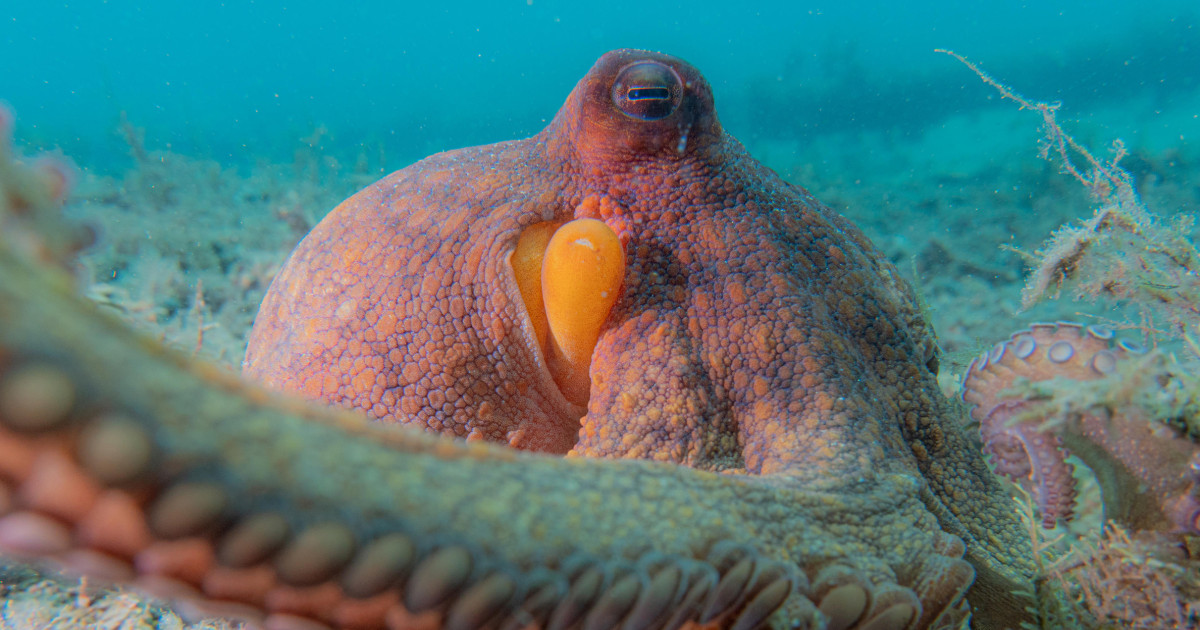
Octopuses have intricate and not well-understood nervous systems, with neural pathways extending down the entire length of each of their eight limbs. The arms are equipped with suckers that provide a sense of touch, and they also host chemoreceptors, which allow these creatures to “taste” their surroundings through contact.
“If I’m an octopus, I utilize my arms to glide over surfaces, insert them into holes on the seafloor, probe crevices in coral formations or rocky ledges, feeling and essentially tasting to understand my environment,” explained Buresch.
Octopuses have a decentralized nervous system with more neurons in their arms than in their central brain, Buresch said.
“We’re all sort of starting to piece together the different parts of the puzzle that explain, How does this bizarre nervous system work?”