Share this @internewscast.com
ORLANDO, Fla. – A routine jog turned into a life-altering experience for Riley Broadhurst.
“I was running through my neighborhood, just as I usually do. I had just re-entered the area heading home when I suddenly collapsed on my neighbor’s lawn,” Broadhurst recounted.
The young man survived a sudden cardiac arrest, a condition that doctors describe as rare, particularly in individuals without prior symptoms.
When questioned about any signs leading up to the incident, Broadhurst confirmed he had none.
“No, I’ve been active since childhood and never had any indications of heart issues or any other health problems,” he explained.
Broadhurst’s survival from sudden cardiac arrest puts him in a unique category. Experts note that many young individuals who encounter this condition typically experience no warning signs.
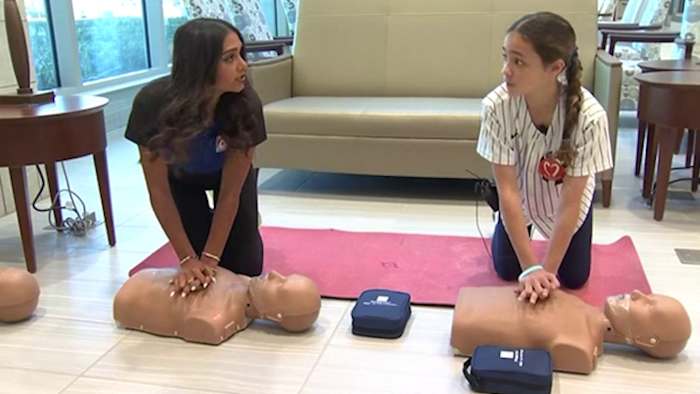
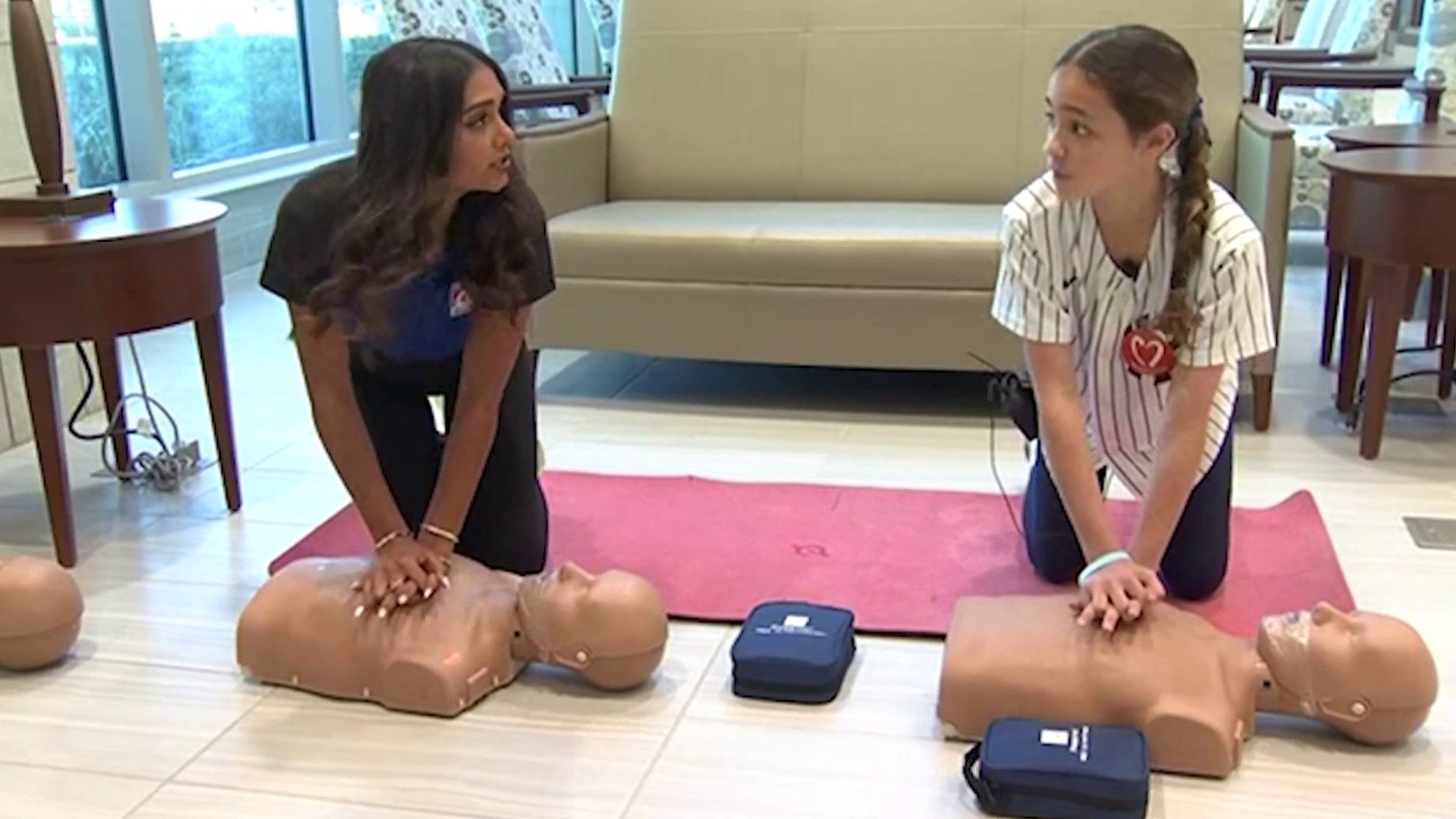
On Sunday, families gathered in Lake Nona for National Youth Heart Screening Day, an event focused on CPR education and early detection. Among those learning lifesaving skills was 12-year-old Alessia DeMarco, who also received her first EKG screening.
When asked if she could take what she learned back to her sports teams and school, DeMarco didn’t hesitate.
“Yeah,” she said.
While CPR training can save lives in an emergency, advocates say prevention is just as critical.
An electrocardiogram, or EKG, is a simple test that measures heart rate and the electrical signals of the heart using adhesive stickers placed on the body. It can help identify heart conditions that may not be detected during a routine sports physical.
“And look at this crazy fact. Sudden cardiac arrest is the number one cause of death in sports and on school campuses,” News 6’s Jayna Manohalal said.
According to heart health advocates, the risk is higher than many families realize.
“One out of 300 kids have a deadly heart condition,” said Sean Sima, a heart health advocate.
In an effort to reduce that number, Florida has passed a new law making it the first state in the nation to require EKG screenings for certain student athletes.
“It’s the Second Chance Act, and it’s basically a law now that requires all athletes in high school, new athletes or first time athletes, basically ninth graders, are all required now to have an EKG, at least one to play sports,” Sima said.
The law is set to take effect during the 2026–27 school year.
Advocates hope combining early screening with CPR education will help prevent tragedies and save lives across school campuses and athletic fields.
Health officials stress that anyone can perform CPR — and doing something is better than doing nothing. Here are key tips to keep in mind:
-
Call 911 immediately or direct someone nearby to call before starting CPR.
-
Push hard and fast in the center of the chest. The goal is to keep blood flowing to the brain.
-
Don’t worry about hurting someone. Broken ribs can heal — cardiac arrest without CPR can be fatal.
-
Use an AED if available. Automated external defibrillators provide step-by-step voice instructions and are designed for public use.
-
Continue CPR until help arrives or the person shows signs of responsiveness.
Copyright 2026 by WKMG ClickOrlando – All rights reserved.