
Share this @internewscast.com

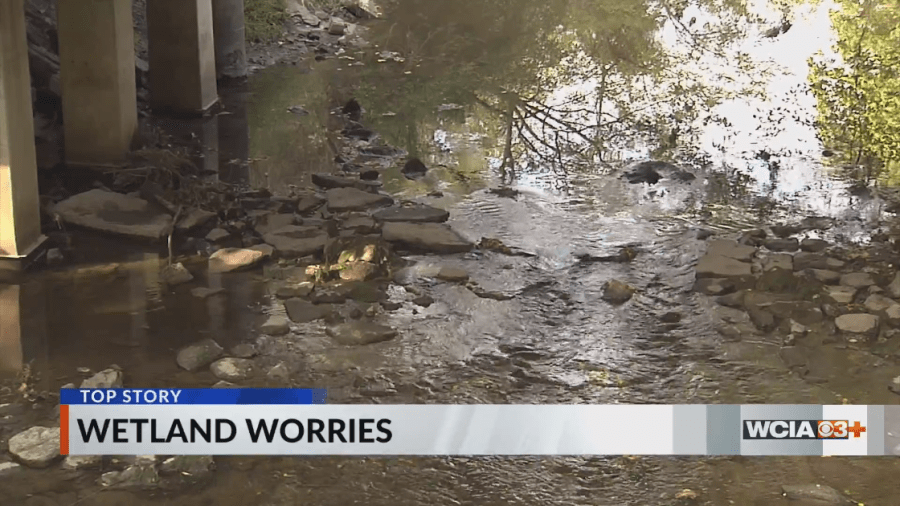
URBANA, Ill. (WCIA) — A new study from the U of I says more than 70% of Illinois wetlands are not federally protected.
Despite this, one local expert talked about the types of benefits these areas provide.
“We have radically remade the land and water in Illinois,” said Prairie River Network Water Policy Director Robert Hirschfeld.
One of these areas is Busey Woods in Champaign County, with others located throughout Central Illinois. However, following a 2023 Supreme Court ruling, a significant portion of these lands lost the protection they previously had under the 1972 Clean Water Act, which experts warn could lead to a series of issues.
“We’ve already lost so many of our historic wetlands,” Hirschfeld said. “Only about 10% remain.”
Much of which have turned into farmland, which he said is already affecting Illinois.
“The amount of flood protection that wetlands provide, you know, it’s hundreds of millions of dollars in Illinois alone annually,” Hirschfeld said.
He said they also help filter drinking water, take in tons of carbon and provide a much-needed habitat for wildlife.
“A lot of endangered and threatened species make their homes in wetlands,” Hirschfeld said.
A study posted this month by the U of I said 72% of the state’s remaining wetlands are not protected under the Clean Water Act.
“Wetlands that have already been drained or destroyed aren’t affected here, regardless of whether it’s federal or state law, because what’s done is done,” Hirschfeld explained. “Our focus must be on safeguarding what still exists.”
Hirschfeld and the Prairie River team have already developed a strategy. They’re advocating for the State Wetlands Protection Law, which would enable the state to maintain the protective role traditionally held by the federal government.
“Wetlands would be categorized according to their size and ecological importance,” Hirschfeld stated. “Based on this classification, you’d receive a permit. If permitted to fill a wetland, you would be required to mitigate the impact.”
With one clear exception.
“Given the extensive land used for farming and agriculture’s significant role in the economy, the proposed state legislation explicitly exempts standard farming activities,” Hirschfeld noted.
He said the bill will most likely get a big push and be discussed in the spring legislative session.