

Columbia, S.C. (WSPA) – In a recent presentation to lawmakers, the South Carolina Law Enforcement Division (SLED) showcased how cutting-edge scientific advancements are playing a pivotal role in solving violent crimes across the state. These techniques are not only connecting shootings across county boundaries but also bringing resolution to cold cases that have remained unsolved for decades.
According to SLED officials, breakthroughs in DNA analysis and firearms technology are revolutionizing justice delivery in South Carolina. The state’s Firearms Identification and DNA Database Units are at the forefront of these efforts, enabling detectives to piece together critical evidence.
Suzann Cromer, a specialist with SLED’s Firearm and Tool Mark Department of Forensic Services Laboratory, noted, “Most of our suspects are not even old enough to legally own a firearm.” This underscores the importance of the technology in tracking and linking criminal activities.
Examiners meticulously analyze the microscopic markings on bullets and input this data into a national database. This system is capable of connecting different shootings and identifying weapons involved in numerous incidents.
SLED Chief Mark Keel highlighted the significant impact of this technology, particularly in resolving cases involving drive-by shootings. The ability to connect seemingly unrelated incidents has been crucial in these investigations.
SLED Chief Mark Keel said this technology has been especially critical in drive-by shooting investigations.
“If nobody’s there but shell casings are in road… you pick them up and get them to us, because generally that gun has been somewhere else in that county or in an adjoining county. We can’t tell you who used it, but we can tell another agency that entered shell casings that was similar and was fired from the same weapon, and put those agencies together,” said Keel.
Across the hall, DNA experts focus on who committed the crime. Through the state’s DNA database, which connects to the national Combined DNA Index System (CODIS), SLED scientists have helped solve cases many once thought impossible.
That includes a 1980 Beaufort County murder and sexual assault case, solved decades later when a DNA sample from a 2016 arrest produced a match identifying the killer.
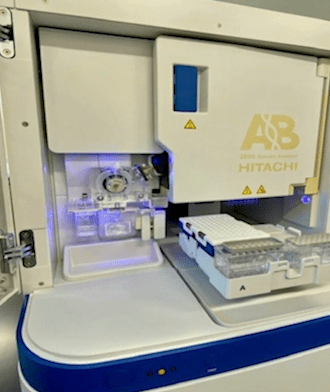
“Rapid DNA instruments aren’t as cost-effective as traditional analysis,” said Keel. “But rapid DNA gives you efficiencies in time.”
Last year alone, SLED’s DNA team analyzed more than 14,000 samples, while the firearms unit tested over 1,300 guns, connecting crimes across 54 agencies and three states.
SLED officials said these scientific advances are about more than just evidence, they’re about delivering justice faster and bringing long-awaited answers to victims’ families.