
Share this @internewscast.com

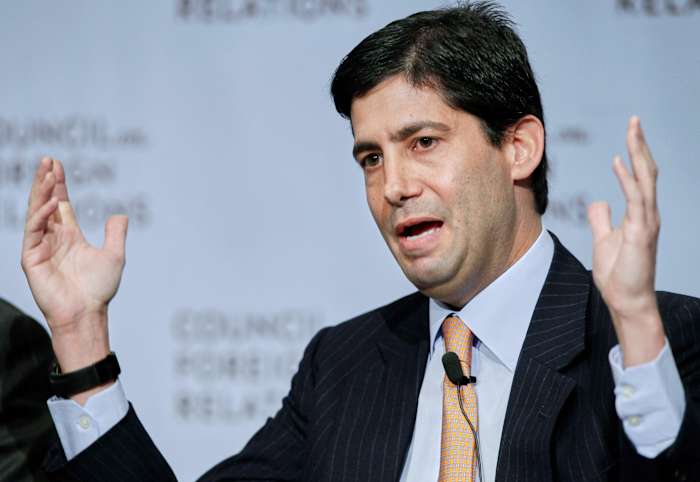
Kevin Warsh has been eyeing the role of Federal Reserve chair for years, ever since President Donald Trump first contemplated him for the position nearly ten years ago. Now, as he stands on the brink of securing this pivotal role, the magnitude of the challenges that lie ahead is unmistakable.
To succeed, Warsh must earn the confidence of three key groups: the Federal Reserve officials whose votes are crucial for any shifts in interest rates; the financial markets, which could thwart his attempts to adjust borrowing costs if they perceive his actions as politically driven; and, importantly, Trump himself, a former real estate magnate who understands the profound impact that interest rate fluctuations can have on businesses, households, and government entities burdened with substantial debts.
“He has to thread that needle,” remarked Raghuram Rajan, an economist from the University of Chicago and former chief of India’s central bank. “If you appear too compliant with the administration, you risk losing the support of the Fed members, which diminishes your effectiveness in building consensus.”
On the other hand, if Warsh alienates the White House, he could find himself and the Fed under scrutiny. Trump’s dissatisfaction with current chair Jerome Powell for not reducing interest rates as rapidly as desired has already led to Powell facing intense criticism and a criminal investigation by the Department of Justice.
Warsh’s path to confirmation in the Senate might not be smooth either, with two Republican senators already vowing to oppose his nomination unless the investigation is settled.
Adding to the potential complexities, Powell could remain part of the Fed’s governing board and the rate-setting committee even after his term as chair concludes in May. This would present Warsh with a situation unprecedented in 80 years: a former chair potentially serving as a counterbalance to the new leader of the Fed.