The EU should develop stockpiles of food, medicine, generators and raw materials to be better prepared for a military invasion, pandemic or natural disaster, the European Commission has said.
Outlining its first-ever strategy on stockpiling, the EU executive said on Wednesday member states should also consider emergency supplies of water purification products, equipment to repair undersea cables, drones and mobile bridges for use in conflicts.
Earlier this year the European public was urged to stockpile enough food, water and essentials for 72 hours to cope with a military attack, natural disaster, power cut or major industrial accident. As part of the EU’s preparedness strategy, officials are working out what governments should stockpile and how to bolster readiness for a health emergency, such as a pandemic, antimicrobial resistance, chemical, nuclear or biological threats.
The plans reflect lessons from the Covid pandemic, when EU member states scrambled to secure masks and other medical kit for themselves, leaving shortages for those most in need. They are also inspired by a handful of EU governments – named by the commission as Finland, Estonia and the Czech Republic – that are known to stockpile goods.
The EU should have regularly updated non-exhaustive lists of essential goods tailored to different crises, according to the strategy. By 2026 the EU intends to set up a critical raw materials centre to jointly buy such goods on behalf of interested companies, which could also be tasked with organising stockpiles. By the same year, the EU will have a list of medicines and medical technologies to be prioritised for stockpiling or joint procurement.
A loan scheme backed by the European Investment Bank to encourage small companies and startups to develop innovative medicines and medical technologies will have its budget doubled to €200m by 2027.
The bloc is also working to develop a wastewater monitoring system that would “act like an early warning radar” to detect infectious diseases before symptoms appear. During the pandemic, public health experts said sewage samples provided a cost-effective way of assessing health threats.
The EU already has a fleet of firefighting planes and helicopters, medical evacuation planes, medical equipment and field hospitals. As the European wildfire season intensifies, with firefighters still battling the flames on the outskirts of Marseille on Wednesday, the commission said additional helicopters or light planes would be needed to protect areas newly threatened by wildfire.
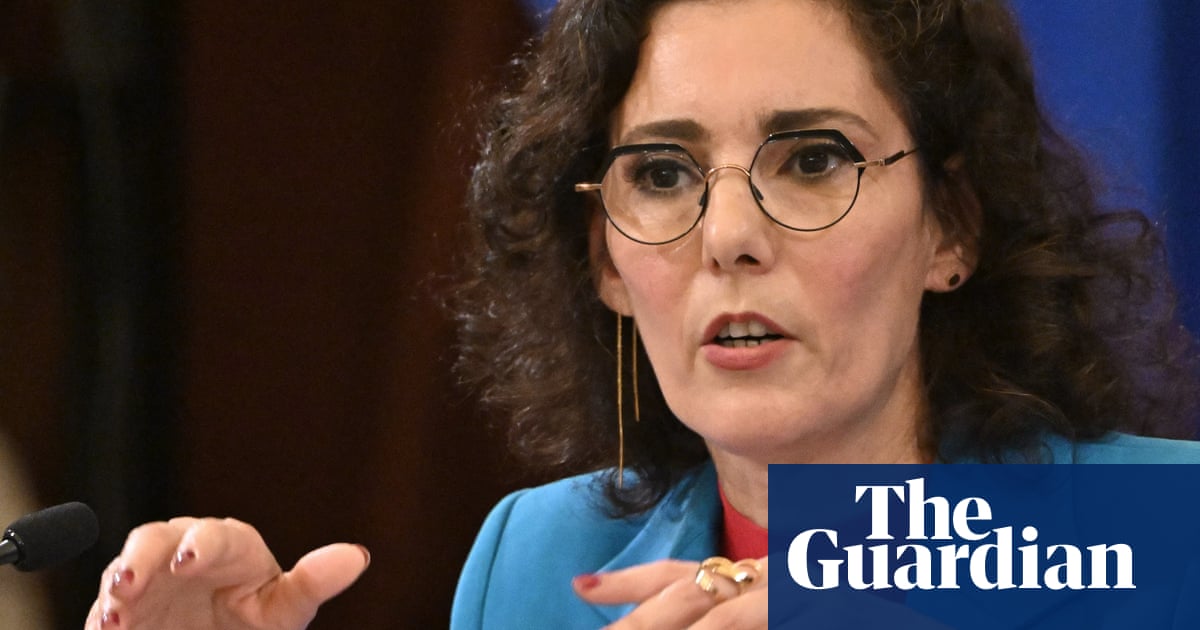
The EU commissioner for crisis management, Hadja Lahbib, said: “We know the threats we face … hybrid attacks, power blackouts, extreme weather and spreading diseases. These are no longer distant risks. That is why we are moving preparedness from the sidelines to the frontline of our defence.”
The latest strategy comes after the Danish prime minister, Mette Frederiksen, reiterated her view that the EU should be ready to defend itself by 2030. “Russia’s military rearming means that they could – within two to five years – pose a credible military threat to Europe and Nato,” she told the European parliament on Tuesday.