
Share this @internewscast.com

On Monday, a U.S. appeals court rejected the Trump administration’s attempt to postpone lawsuits that aim to recover tariff refunds, potentially allowing companies to reclaim funds previously paid due to these levies.
The Justice Department had submitted a request last Friday to delay these cases, which involve up to $170 million in potential refunds. This request followed the Supreme Court’s February 20 decision to invalidate the tariffs imposed during President Trump’s tenure.
This week, the appeals court directed that the case proceed in the U.S. Court of International Trade (CIT), where the issue was originally filed in August.
“This ruling is fantastic news for small businesses and the tariff refund process,” commented Sara Albrecht, chair of the Liberty Justice Center, in an interview with The Post.
The Liberty Justice Center represented five small businesses, including VOS Selections, a wine importer based in New York City, in arguing the case before the Supreme Court.
“The government’s attempt at strategic delay likely backfired, prompting the court to expedite its decision,” Albrecht noted. “While we await the CIT’s next steps, today marks a crucial advancement for our cause.”
The White House did not immediately respond to a request for comment.
In a one-page ruling by the US Court of Appeals for the Federal Circuit, judges rejected the government’s argument that the “complexity” of the issue required more time. The DOJ argued that the case necessitated a “careful process, not breakneck speed.”
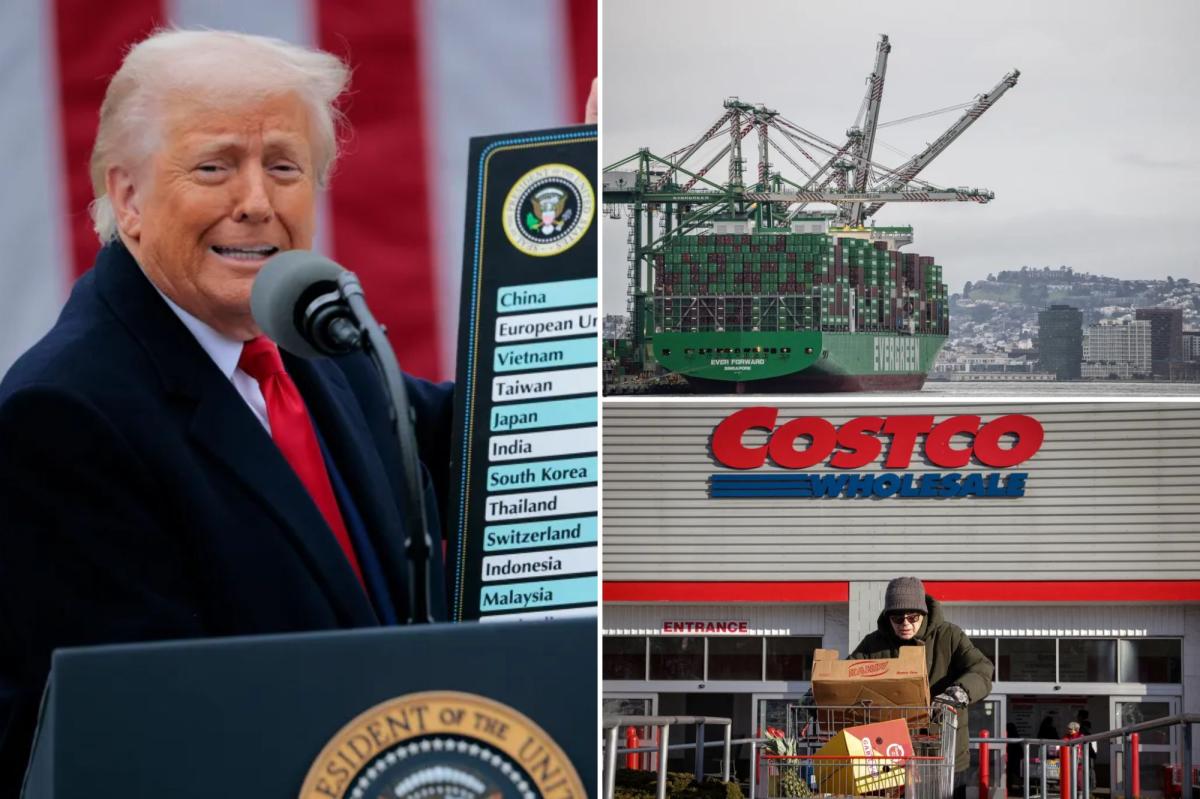
More than 2,000 tariff lawsuits have been filed so far, by both large companies like Costco, FedEx and Kohl’s and a growing number of small businesses. More than 300,000 importers have paid the tariffs.
The Supreme Court’s 6-3 decision did not address the matter of tariff refunds. The opinion by Chief Justice John Roberts made no mention of whether money would have to be refunded, while conservative Justice Brett Kavanaugh noted in his dissent that “[a]s was acknowledged at oral argument, the refund process is likely to be a ‘mess.’”
Trump said on the day of the Supreme Court ruling, “We’ll end up being in court for the next five years.”
Regarding next steps, “I would expect the CIT to request a response from the government, or potentially ask for full briefing on the motion,” Albrecht said.