
Share this @internewscast.com
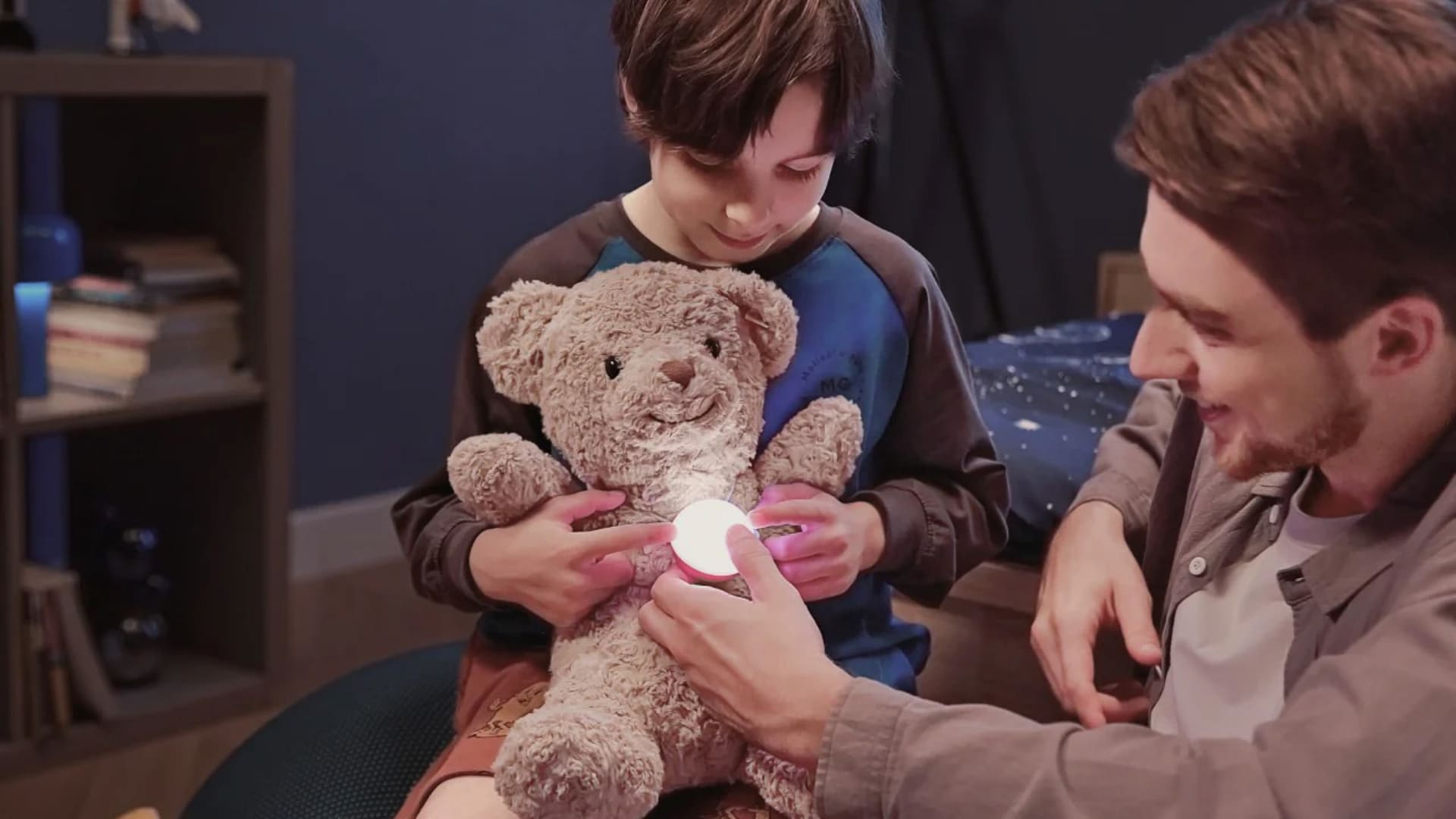
Haivivi Bubblepal is an innovative AI toy.
Image Courtesy: Haivivi
Artificial intelligence has become the buzzword of the moment—and even Ultraman has joined the conversation.
In response to whether investors should be anxious about a potential AI bubble, Haivivi’s latest AI-driven plush toy, the second-generation CocoMate from China, issued a cautionary note about investing in AI stocks.
“The AI industry has been experiencing a rollercoaster of activity lately,” warned the toy, inspired by the Ultraman character. “If investors recklessly funnel money into untested ventures lacking strong fundamentals, it might trigger a bubble burst!”
China has long been a leader in global toy production, making the venture into AI-enhanced toys a logical progression, according to analysts. The administration under Xi Jinping, determined to elevate China to an AI superpower, has been urging both corporations and consumers to weave AI into everyday business and life.
Haivivi is one of 1,500 companies in China’s $4 billion dollar AI toy industry.
Another is Chengdu-based startup Chongker, which invented an AI cat as a comfort animal. The artificial feline uses voice recognition and banked memories in the cloud to adjust its behavior to its owner’s needs.
“Some people like the cat to be more, maybe noisy or naughty, right? And some people just need the quiet one. So it will learn what kind of thing you like,” Sean Xu, director of AI products with Chongker, told CNBC.
Xu said the company added a special feature it believes will help the pet build a strong bond with its owner— a simulated heartbeat.
The electronic pulse is triggered after holding the AI pet tightly for 10 seconds. Xu says the feeling makes one “calm down.”
If a potential shopper prefers a high-energy toy, Loona the AI puppy by Keyi Tech uses cameras and lasers to zip around its new home.
The AI helps Loona figure out the layout of its owner’s pad. The robot pet can also recognize up to five family members and respond to each one individually.
Despite the fascination with the intelligent toys, the gadgets come with risks, especially when it comes to impressionable young minds.
The AI pet robot plush toy Ropet showcased at the Global AI Player Carnival & West Bund International Tech Consumer Carnival in Shanghai, Oct. 27, 2025.
CFOTO | Future Publishing | Getty Images
New research by U.S. consumer safety-focused non-profit Public Interest Research Group suggests the effects of AI toys on young children are still far from understood. PIRG’s studies found some toys shared inappropriate and dangerous information with users, and the group raised concerns about privacy.
“A lot of these toys are using large language models,” Beijing-based tech consultant Tom van Dillen said. “Sometimes the models can hallucinate. Now toy manufacturers are doing a lot to create guardrails.”
For Haivivi’s CocoMate plush toys, including Ultraman, parents can access a transcript of their children’s conversations with the AI toy on their phone.
When asked by CNBC if succumbing to pressure by other students at school to do drugs is a good idea, Ultraman played parent.
“Oh no … it’s a TERRIBLE idea!” the toy responded. “If they keep bothering you, tell your teachers or parents.”