
Share this @internewscast.com

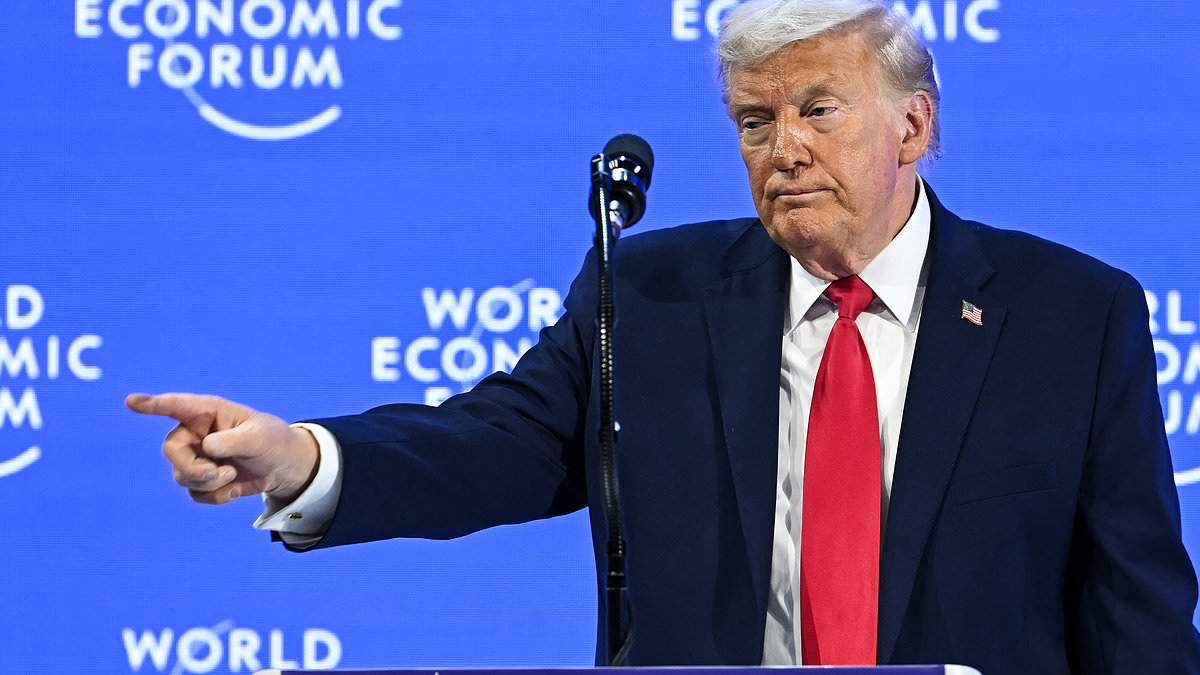
The United Kingdom is expected to decline participation in Donald Trump’s peace board signing ceremony today, largely due to unease over the involvement of Russian President Vladimir Putin. Foreign Secretary Yvette Cooper expressed concerns about inviting the Russian leader, especially in light of his aggressive military actions in Ukraine. The board, which includes former UK Prime Minister Tony Blair as an executive member, is set to be formally launched by Trump in Davos later today. However, tensions with international allies may resurface, following the resolution of a previous conflict regarding Trump’s demands related to Greenland.
Skepticism grows over Trump-backed global board

Critics are raising alarms that the board—which requires a hefty £1 billion ($1.3 billion) fee for permanent membership—seems like an attempt to replace the United Nations. Although it was originally intended to focus on post-conflict reconstruction in Gaza following the war between Hamas and Israel, the board’s charter surprisingly omits any mention of these Middle Eastern issues. Key allies of the United States are skeptical, with France outright rejecting participation and Italy postponing any decision. Notably, Denmark, which was central to the Greenland dispute, has not received an invitation, while Belarus, a close ally of Russia, is on the invite list. In the accompanying photo, President Donald Trump and former UK Prime Minister Tony Blair can be seen posing together.
Hungary stands alone in Europe

Hungary may stand alone as the only European nation to join the board at today’s event, distinguishing itself from its regional counterparts. Meanwhile, major nations such as Saudi Arabia and Qatar have already committed, highlighting the event’s international scope. The Trump administration reports that approximately 35 world leaders have confirmed their participation, out of about 60 invitations extended. Despite Trump’s assertion that President Putin has agreed to join, the Kremlin has indicated that it is still reviewing the invitation.
Britain raises concerns over Putin’s role

Ms Cooper told BBC Breakfast: ‘There’s a huge amount of work to do we won’t be one of the signatories today, because this is about a legal treaty that raises much broader issues, and we do also have concerns about President Putin being part of something which is talking about peace, when we have still not seen any signs from Putin that there will be a commitment to peace in Ukraine. And to be honest, that is also what we should be talking about.’

Kemi Badenoch (pictured) told Sky News she agreed with the government’s cautious approach towards the board, arguing that the timing was inappropriate. ‘Right now we should not be serving on any board with Vladimir Putin,’ she said. ‘That is something I am completely against,’ Badenoch added.