
Travelers in Victoria are being alerted to an increase in cases of a mosquito-borne virus that could result in severe symptoms persisting for months.
In recent weeks, the Ross River virus has been detected in several mosquito traps across Wellington and Gippsland.
With the holiday season approaching and warmer temperatures promoting mosquito breeding, the Department of Health has urged everyone to take preventive measures.
These measures include wearing long, loose-fitting clothing, applying mosquito repellent, using screens and coils, camping away from river and lake edges, and minimizing outdoor activities during peak mosquito hours at dawn and dusk.
Local councils are actively conducting mosquito control operations on public land, although managing mosquito populations remains challenging.
Ross River virus is prevalent in Australia, especially in areas near inland waterways and coastal regions.
Ross River virus is common in Australia and particularly rampant in inland waterways and coastal regions.
It is caused by an alphavirus and is spread through the bite of an infected mosquito.
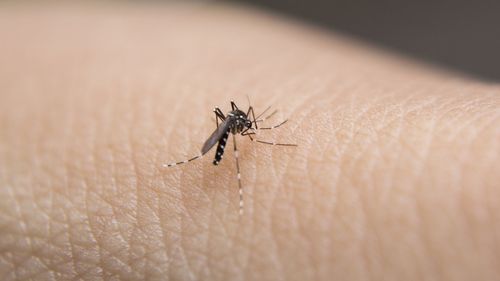
Symptoms include fever, joint pain and swelling, muscle aches, fatigue or rash and can occur within days, weeks or months from the time of infection.
There is no vaccine or specific treatment for Ross River virus.
The Department of Health said preventing mosquito bites is the most effective way to reduce the risk of infection, and anyone who develops symptoms should seek advice from their GP.
Epidemics of the virus can occur but are related to the environment and whether it encourages mosquito breeding, including heavy rainfall, floods, high tides and moderate temperatures.