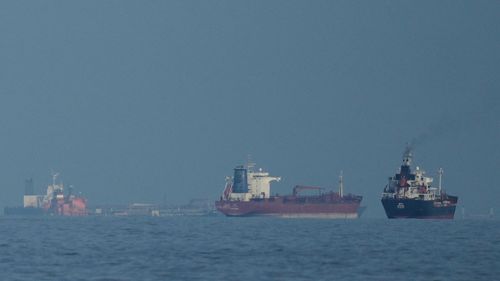
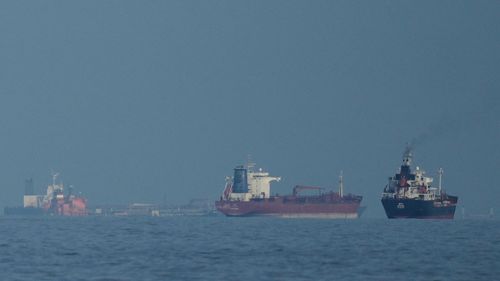
Despite ongoing reports of discussions between the United States and Iran, the Strait of Hormuz is unlikely to see a swift reopening. This uncertainty surrounding the conflict’s trajectory was highlighted in comments to the Australian Financial Review.
It’s important to note that recent economic figures only account for February, thereby missing the inflationary impact triggered by the sharp increase in oil prices and other consequences stemming from the conflict in Iran.
Australia’s four major banks are forecasting a third consecutive rate hike by the Reserve Bank of Australia in May. This would push the cash rate to 4.35 percent as a countermeasure to the escalating inflation rates.
Economists at the Commonwealth Bank of Australia (CBA) predict that inflation will begin to ease in 2027. This expectation is based on a projected slowdown in demand coupled with a rise in unemployment.
NEVER MISS A STORY: Stay ahead of the news by following us on all platforms for breaking news and exclusive stories.