SYDNEY, AUSTRALIA - DECEMBER 21: General view of the memorial at Bondi Pavilion on December 21, 2025 in Sydney, Australia. Life slowly returned to normal at Bondi Beach, with people from all walks of life still paying respects and tributes as raw grief and funerals gave way to quiet commemorations. Police say at least 16 people, including one suspected gunman, were killed and more than 40 others injured when two attackers opened fire near a Hanukkah celebration at the world-famous Bondi Beach, i
Two thirds of Australians blame either extremists or the Albanese government and other politicians for terrorism, a new poll has revealed.

In a recent survey conducted by Roy Morgan following the Bondi incident, 36 percent of participants pointed fingers at terrorists and extremists as the primary culprits.

Survey participants cited the rigid religious and political ideologies of these groups, their unwavering dedication to their missions, and the inherent nature of terrorism, which involves acts of violence.
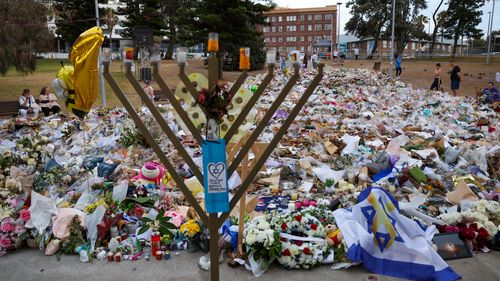
SYDNEY, AUSTRALIA - DECEMBER 21: General view of the memorial at Bondi Pavilion on December 21, 2025 in Sydney, Australia. Life slowly returned to normal at Bondi Beach, with people from all walks of life still paying respects and tributes as raw grief and funerals gave way to quiet commemorations. Police say at least 16 people, including one suspected gunman, were killed and more than 40 others injured when two attackers opened fire near a Hanukkah celebration at the world-famous Bondi Beach, i
Two thirds of Australians blame either extremists or the government for terrorism in Australia.(9News)

Interestingly, only 32 percent of those surveyed were reluctant to attribute blame directly to terrorists or extremists.

The poll was conducted on December 19 and December 20, in the wake of the Bondi terror attack.

Michele Levine, CEO of Roy Morgan, highlighted a significant insight from the study, noting that beyond the obvious suspects, a notable number of Australians also hold Prime Minister Anthony Albanese, the government, and other political figures accountable for terrorism.

“Since 1941, Roy Morgan has been gauging public sentiment on various societal issues. Throughout the decades, some questions have been particularly difficult to pose and answer,” Levine observed.

A police boat patrols Bondi Beach in Sydney, Sunday, Dec. 21, 2025, ahead of a ceremony to mark the National Day of Reflection for victims and survivors from the Bondi shooting

Bondi stands ready to commemorate the moment the terror attack unfolded, ensuring its impact is remembered.

Levine said the new answers showed Australian attitudes toward terrorism were changing, with lower levels of blame for individual groups than in previous surveys.

“Without prompting, Australians are more likely to blame extremists than any individual group – nationality, cultural or religious group,” she said.

She said many respondents had said terrorism was the result of a “complex mix” of factors, and that they were concerned about “hate, racism, and divisiveness”.


You May Also Like

Mother Set to Claim £12m Lottery Jackpot After Shopkeeper Mistakenly Threw Winning Ticket in Bin - Internewscast Journal

Mother Set to Claim £12m Lottery Jackpot After Shopkeeper Mistakenly Threw Winning Ticket in Bin

A mother-of-two is in line to receive a life-changing £12million lottery jackpot…