
Share this @internewscast.com
Fill out a questionnaire, send a few photos, answer a call from a doctor.
For some Australians, that’s all it takes to get weight loss drugs delivered straight to their door â and it’s making experts nervous.
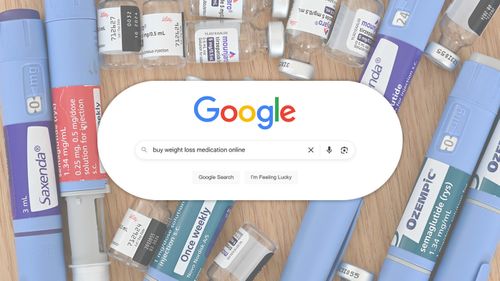
There is an increasing trend of telehealth companies providing prescription medications such as Wegovy (akin to Ozempic), Saxenda, and Mounjaro online, allowing customers to obtain these medications without ever needing to meet a healthcare professional in person.
Many of these companies claim their objective is to assist Australians who lack the time to wait for a doctor’s appointment by offering a more accessible way to receive weight loss treatments.
However, these minimal-interaction telehealth services might, in certain cases, make it simpler for Australians who may not require weight loss medications to obtain them.
Including millions living with or at risk of an eating disorder.
Weight loss drugs available online
A number of telehealth companies currently operating in Australia offer prescriptions for brand name weight loss drugs based on information that can be easily faked.
Prospective customers are typically required to fill out an online questionnaire about their physical health and medical history, and submit photos of their body.
This information is used to decide if they are eligible for weight loss treatment.
But there’s nothing preventing customers from lying about their health or submitting digitally altered photos of their bodies.
If deemed eligible, customers are connected with a prescribing doctor via phone or video call for additional assessment before being approved.
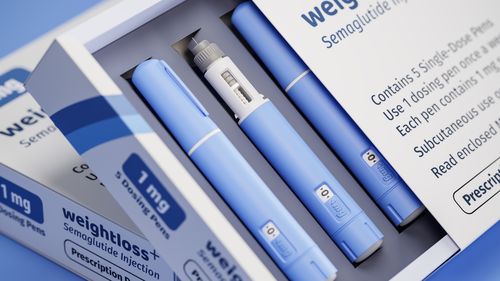
If approved, they can order the prescribed medication online and have it delivered to their home through a telehealth subscription model.
A number of telehealth companies offering weight loss drugs state on their websites that they adhere to rigorous eligibility criteria and work with expert practitioners to ensure they approve patients who qualify for treatment.
Many also say they highlight information about common side-effects associated with weight loss drugs and offer ongoing support from medical professionals and health coaches.
These services are pricier than going to the GP for a weight loss prescription and getting it filled at a pharmacy but some Aussies are willing to pay for the convenience.
Or for the lack of scrutiny, suggests Head of Communications and Engagement at The Butterfly Foundation Melissa Wilton.
“Anecdotally, we have heard of people exaggerating their weight to access these medications,” she said.
“We have also heard reports of people photoshopping or editing their bodies to appear larger than they really are.”
Eating disorders on the rise
An estimated 1.1 million Australians currently live with an eating disorder, a figure which has increased by more than 20 per cent over the last decade.
More than one in 10 Aussies will experience an eating disorder in their lifetime but fewer than one third get treatment or support.
Experts fear these telehealth services make it easier for those affected to access weight loss drugs when it’s not appropriate for their physical or mental health.
“Patients know about these medications and are seeking them,” dietitian and RACGP Obesity Management chair Dr Terri-Lynne South told 9news.com.au.
“And they know how to fudge the results to any questions that are asked, if they’re asked.”
There’s nothing preventing patients from lying when asked about eating disorders as part of the telehealth screening and without access to a patient’s health records, it can be difficult for medical professionals to pick up on warning signs over the phone.

The Butterfly Foundation advocates for video call screening as an absolute minimum standard, but encourages in-person assessments wherever possible.
“It’s essential that people seeking weight loss medications receive comprehensive psychological and medical assessments, including reviewing history of eating disorders or disordered eating concerns, as well as potential risk,” Wilton said.
This is especially important because eating disorders are very complex psychological and physical illnesses that don’t always present in the number on a scale.
Many Australians who experience eating disorders do so in larger bodies but weight loss drugs shouldn’t be seen as a “band aid” solution for them either.
The ethics of advertising weight loss drugs
Many of these telehealth companies employ direct-to-consumer marketing via social media, where some have tens of thousands of followers.
The Therapeutic Goods Advertising Code and other advertising standards ban them from naming the weight loss drugs they sell.
Some advertise weight loss drugs as a “quick fix” and fail to highlight the risks and side-effects, others use shame-based messaging and stigmatising imagery.
“We have noticed an increase in companies skirting the law, often specifically targeting people with body insecurities, which can increase body dissatisfaction,” Wilton said.
South added these advertisements, which often include before and after photos and language that glorifies weight loss, “just smack of how weight-centric our society still is”.

Butterfly and other organisations in the Eating Disorder Alliance are advocating for tighter regulations and increased governance around advertising and prescribing weight loss medications, especially for telehealth businesses.
They’re calling for comprehensive medical assessments before prescribing, measures to ensure telehealth providers are accountable to a safe standard of practice, increased awareness about the risks associated with weight loss medications (especially for individuals with or at risk of eating disorders) and stricter marketing regulations.
South added that GPs must be equally careful about how and when they prescribe weight loss drugs to patients in-clinic.
“There is a lot of pressure on on GPs to do what they call ‘six minute medicine’ [and] that leaves no time to do some of the more appropriate checks and balances,” she said.