Share this @internewscast.com
In Brief
- Australia’s target to produce 1.2 million homes by June 2029 is behind schedule.
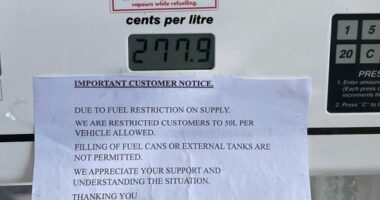
- Housing supply ambitions have taken a hit from the war in the Middle East, with surging oil prices now increasing material costs.
No state or territory is currently on pace to achieve its housing accord objectives, despite numerous efforts to enhance housing supply and affordability.
In the first five quarters since the agreement was signed, only 219,000 new homes have been constructed. This figure falls significantly short of the needed pace, which is 280,000 new homes, according to the National Housing Supply and Affordability Council’s initial quarterly report released on Wednesday.
The housing accord outlined an ambitious goal of delivering 1.2 million new homes across Australia by June 2029. However, at the current rate, this national target is projected to be met only by June 2030.
Among the states and territories, Victoria, Western Australia, and the ACT have been the top performers. However, they are only on track to fulfill their quotas by September 2029.
New South Wales is expected to meet its goal by June 2031, while the Northern Territory faces a much longer timeline, not completing its target until after 2034.
Victoria and the ACT have shown the most significant progress, having already achieved 23 percent of their housing targets under the accord.
Measures such as relaxing zoning for middle density housing and removing third-party appeals for public housing appeared to be paying dividends for the ACT, with 117 per cent more dwellings approved in the year to January compared to the 12 months prior.
But the outlook for Victoria was less promising.
Building approvals fell one per cent over the year to January, despite efforts to boost density in priority areas, streamlining approvals and a vacant land tax to unlock more space for development.
NSW and Victoria have led the way with zoning and planning reforms to make it easier to build, but all states and territories have implemented some initiatives to increase supply since the start of the accord.
“The quarterly report highlights the tangible progress that has been made since the start of the accord period and the continuing efforts by states and territories to increase the supply of housing,” said the council’s chair, Susan Lloyd-Hurwitz.
During the last quarter, building approvals and completions were up 17 per cent compared to the final quarter before the accord started.
Although the cost to build a new home has fallen 0.9 per cent in real terms since the start of the accord, Australia’s housing supply ambitions have taken a hit from the war in the Middle East.
Surging oil prices have already caused material costs to increase, while the industry is concerned that supplies of PVC pipe could be disrupted.
Housing Minister Clare O’Neil held a roundtable with industry leaders on Tuesday, exploring pathways to access alternative markets and substitute inputs, where feasible.
For the latest from SBS News, download our app and subscribe to our newsletter.