Share this @internewscast.com
In Brief
- John Davidson says he’s “deeply mortified” after shouting an “involuntary tic” at the BAFTAs.
- Tourette syndrome, or TS, is a neurological disorder that may cause involuntary, repetitive movements and vocalisations.
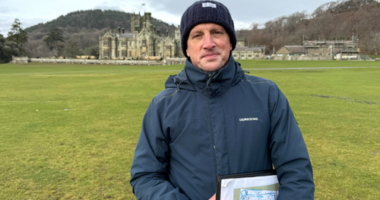
John Davidson, a prominent advocate for those with Tourette’s syndrome who has inspired a BAFTA-winning film, found himself at the heart of controversy during a recent London awards ceremony. Davidson has expressed being “deeply mortified” after inadvertently shouting a racial slur, which he attributes to an “involuntary tic.”
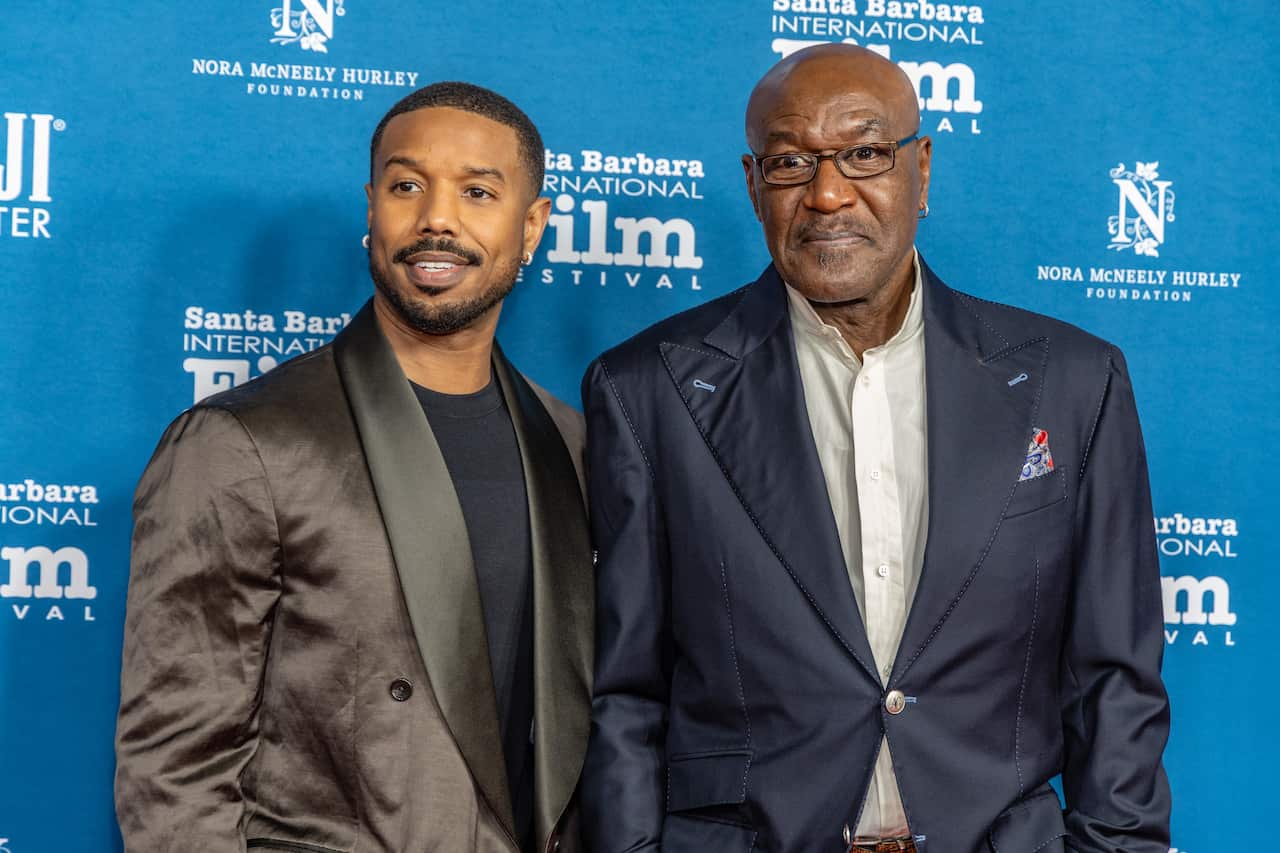
During the event, Davidson’s outburst occurred as actors Delroy Lindo and Michael B. Jordan, both of whom are Black, took to the stage to present an award for special visual effects. The incident has sparked significant discussion, with many grappling to understand the nature of his condition.
In a statement provided to the PA news agency, Davidson, who inspired the film “I Swear,” shared his profound regret. “I am, and always have been, deeply mortified if anyone considers my involuntary tics to be intentional or to carry any meaning,” he stated. Aware of the potential distress his tics could cause, Davidson made the decision to leave the auditorium during the ceremony.
Davidson, who has dedicated his life to supporting the Tourette’s community, emphasized his commitment to fostering empathy and understanding. “I have spent my life trying to support and empower the Tourette’s community and to teach empathy, kindness, and understanding from others and I will continue to do so,” he affirmed.
This incident raises questions about the nature of Tourette syndrome, the impact of tics, and why Davidson’s utterances at the BAFTAs have captured so much attention. His experience underscores the ongoing need for awareness and education about the challenges faced by those living with this condition.
So what is Tourette syndrome, what are tics, and why have Davidson’s words at the BAFTAs caused such a furore?
What is Tourette syndrome?
Tourette syndrome, or TS, is a neurological disorder that may cause involuntary, repetitive movements and vocalisations called tics.
TS is one of a group of disorders called tic disorders.
According to the Tourette Syndrome Association of Australia, TS most often begins between the ages of two and 21, and lasts throughout life.
The condition is not degenerative and people with TS can expect to live a normal life span, the organisation says.
In Australia, Tourette syndrome affects around 50,000 people and approximately one per cent of school-aged children, with one in four experiencing lifelong symptoms, says The Kids Research Institute Australia.
Research published last June by the institute and UNSW Sydney found sufferers can experience bullying, discrimination, misunderstanding and exhaustion that often lead to despair.
“One in two children with a tic-related disorder have thought about ending their life, while one in 10 children and one in four affected adults have attempted suicide,” the institute said in a statement when the research was published.
Many also struggle for accurate diagnosis and proper support.
Why are so many people upset about the BAFTAs?
The BBC didn’t edit the offending language out of its broadcast, which was shown on a two-hour delay on Sunday evening.
As a result, a clip of the racial slur being shouted at the ceremony quickly went viral and sparked backlash online.
This led to a fast slew of apologies from the British Academy of Film and Television Arts, actor Alan Cumming, who hosted the ceremony, and the BBC over the language viewers may have heard during the broadcast.
The British film awards apologised for the “very offensive language that carries incomparable trauma and pain for so many”.
“Tourette syndrome causes involuntary verbal tics, that the individual has no control over,” it said.
“Michael B Jordan and Delroy Lindo were on stage at the time, and we apologise unreservedly to them, and to all those impacted.”
The BBC edited out the words on the version airing on its streaming service on Monday morning.
“We apologise that this was not edited out prior to broadcast and it will now be removed from the version on BBC iPlayer,” the news organisation said.
Support for Davidson
A spokesperson for the charity Tourettes Action said they “deeply” understood the offence and harm caused by racial slurs.
But they said it was “vital that the public understands a fundamental truth about Tourette syndrome: tics are involuntary. They are not a reflection of a person’s beliefs, intentions or character”.
“People with Tourette’s can say words or phrases they do not mean, do not endorse and feel great distress about afterwards,” the spokesperson added.
The charity added it was “incredibly proud” of Davidson and others involved in the film.
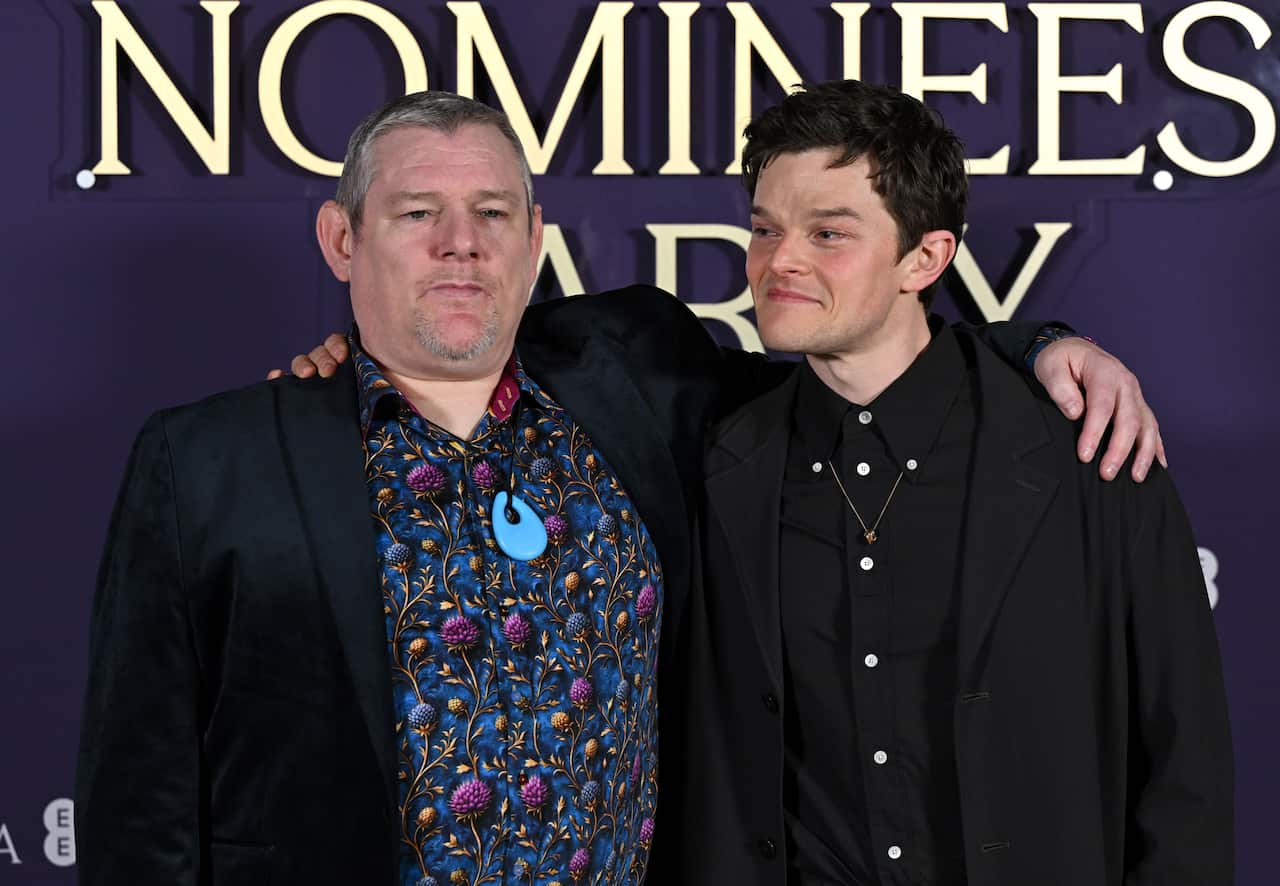
British actor Robert Aramayo, who portayed Davidson in the film, triumphed over established stars Timothée Chalamet and Leonardo DiCaprio to win the best actor prize.
Davidson has said his life in a small Scottish town has been irrevocably changed by the condition.
For the latest from SBS News, download our app and subscribe to our newsletter.