
Australia is grappling with a housing shortage and escalating living costs, creating a challenging landscape for baby boomers as they seek to downsize or secure suitable living arrangements for their later years. What alternatives exist to help them avoid aged care facilities during this phase of life? You can explore these options by tuning into the Insight episode “Housing Boom(ers)” on Tuesday, April 28, at 8:30 PM on SBS or stream it on SBS On Demand.
Sandra Barker, a retired educator, has navigated her entire adult life as a single renter.
Now at 70, she resides alone in a two-bedroom apartment located in Sydney’s south-west. Sandra expresses a desire to relocate to a “better” area but feels financially constrained, as her rent consumes over 60% of her bi-weekly pension.
“It’s somewhat misleading to assume that all baby boomers are financially set for retirement; I certainly am not,” Sandra shared with Insight.
She notes that most of her acquaintances are also single and echoes that she doesn’t know any baby boomer “cashed-up homeowners.” For further insights, refer to this article.
“Even those friends who are married and have managed to purchase homes over the years have found it difficult to save enough to enjoy a self-funded retirement,” she added.
Sandra has lived in her unit for two years, but is aware her situation could change.
“I get terrified about [the rent going up]. But I wait for it and cross my fingers and say: ‘I hope it’s not going to happen this year’,” Sandra said.
She is also wary of her landlord selling the apartment, leaving her having to find a new home before the notice period ends. It’s a situation she’s experienced before.
“Moving’s expensive …” Sandra said.
“$4,000 or $5000 … I try and keep that much money behind me, at least, in case it’s going to happen.”
Even more worrying for Sandra is the prospect of joining the fastest-growing group of people experiencing homelessness in Australia: women aged 55 and over.
“I’ve seen a lot of stories about women my age becoming homeless. I’ve lived in areas in the city where I’ve seen homeless women sleeping on benches.
“I hope it’s never going to happen to me, but I am a bit terrified of it.”
‘I don’t want to take on the financial burden’
Like Sandra, Gomeroi woman Billie Scott is unsure about her living situation as a woman approaching retirement age.
Billie, 64, rents a house in Alice Springs with her sister and niece for about $520 a week. She says that in the eight years the three have lived there, the rent has only increased by $20.
“The owner likes us … we’re good tenants,” she told Insight.
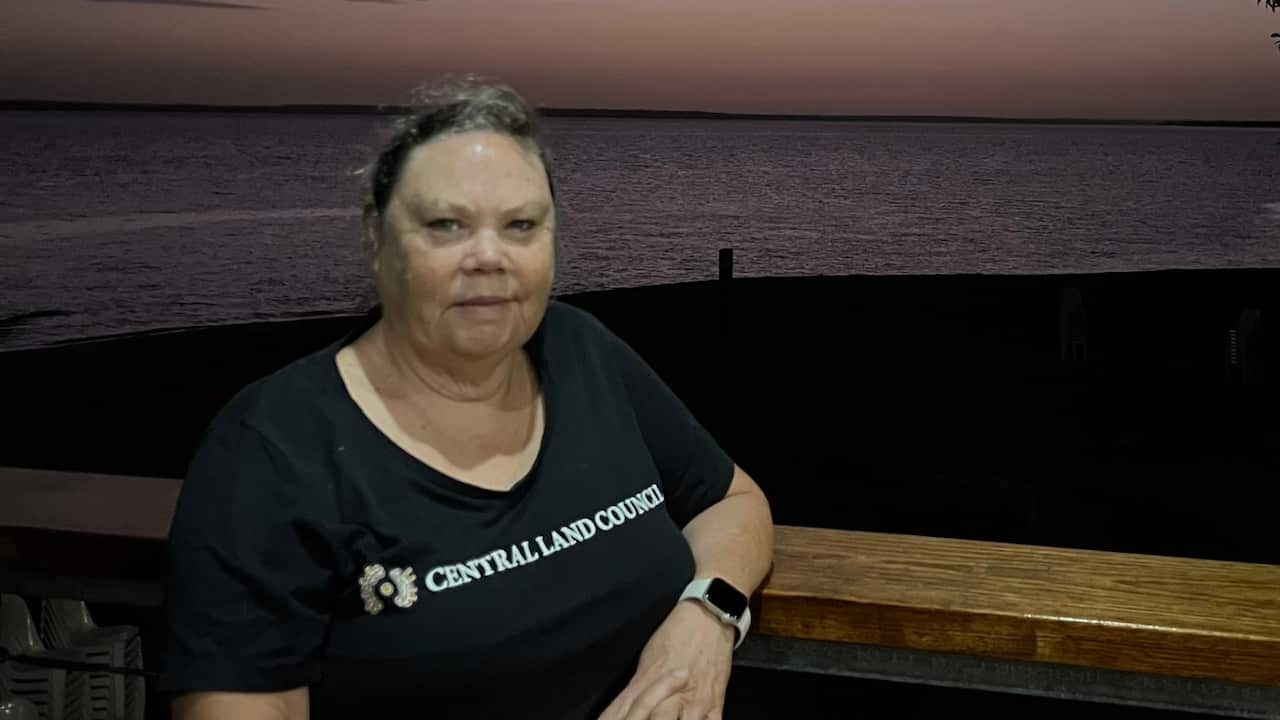
Billie said she doesn’t want the responsibility of a mortgage herself, but that her sister is looking at buying a three-bedroom home.
“I want to rent from her. I don’t want to actually buy my own home,” Billie said.
“I don’t want to take on the financial burden.”
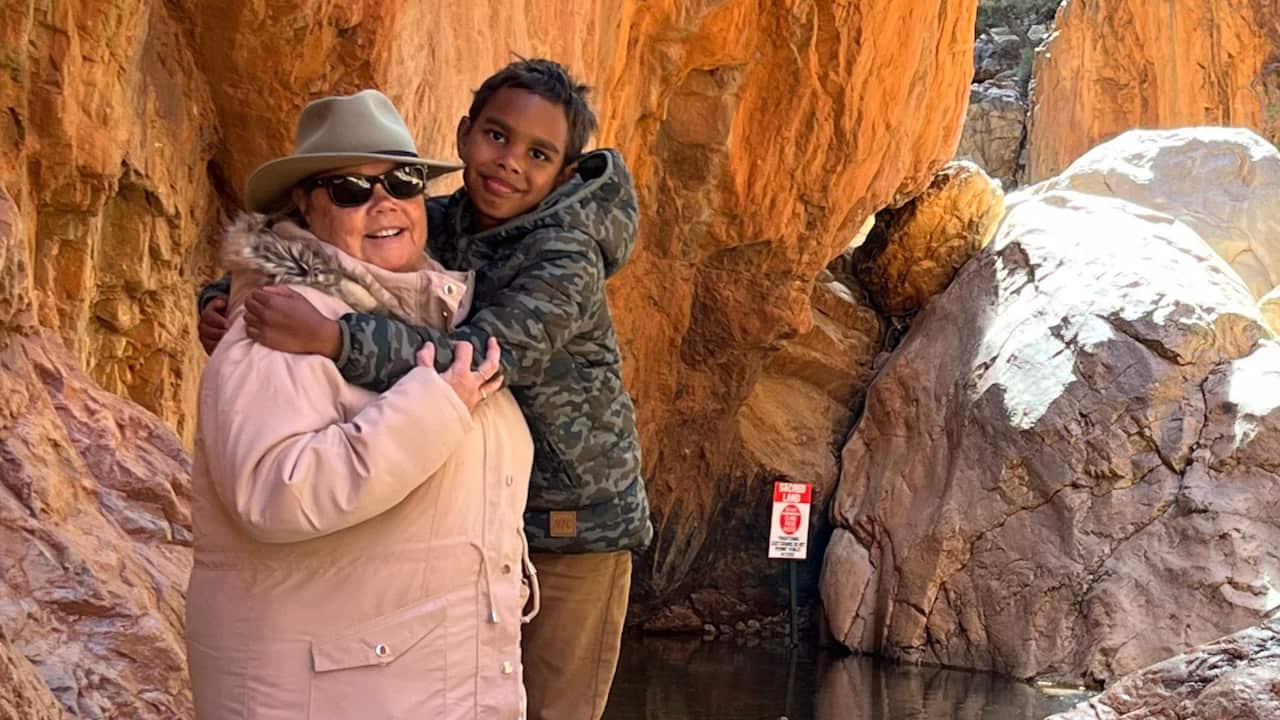
Among other housing options, Billie said that she even considered retiring in Bali at one point, but decided against it as she’d be too far from family.
“I certainly don’t want to end up in a retirement village. I certainly don’t want to be homeless,” she said.
“But I’ve got a very big extended family, so I do have those options as well.”
Paying someone else’s mortgage
Sally sold her property in 2012 before returning to the UK to take care of her sick parents. It’s a decision the 66-year-old still regrets.
She says that 18 months later, she returned and was locked out of the market.
“Because prices had gone up, I couldn’t buy back into my area. But I also couldn’t get anyone to lend me any money because of my age,” Sally told Insight.
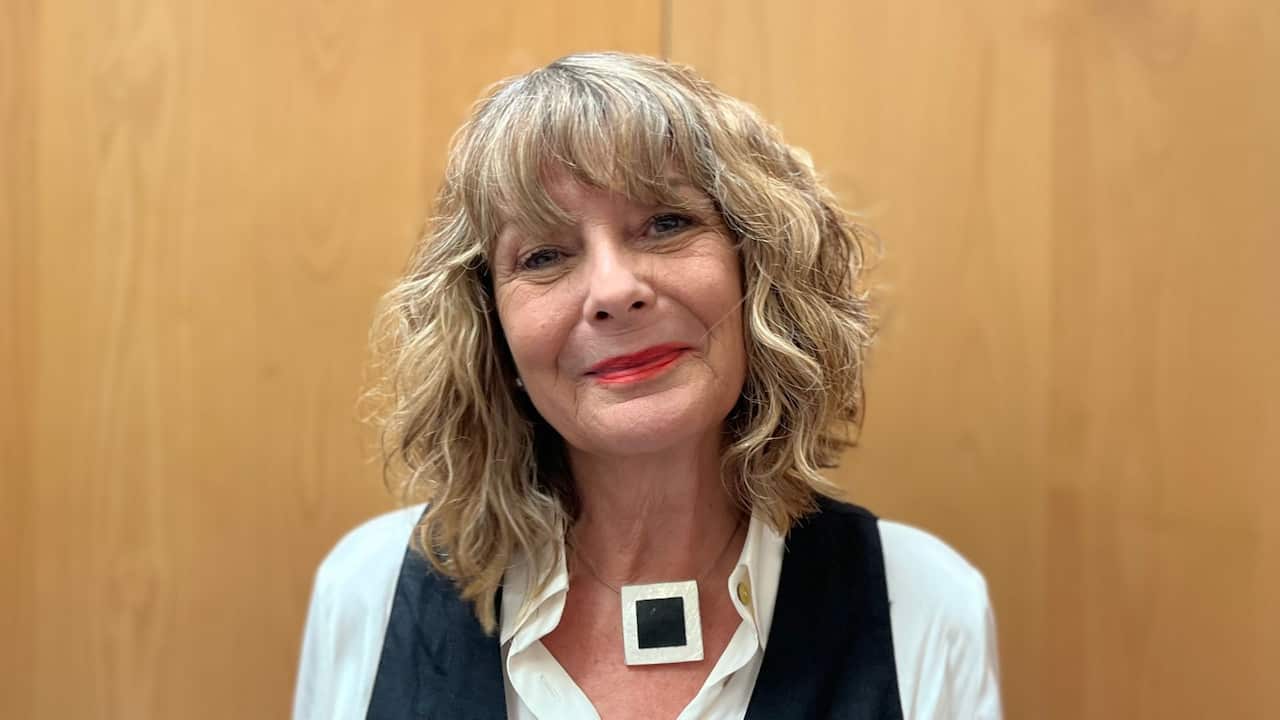
Sally has rented a 3.5-bedroom home in northern NSW for $700 for the past five-and-a-half years, which she said ate away at her already modest inheritance.
“I was sucking up the little bit of money that I had in the bank — and it was just all going to pay someone else’s mortgage,” Sally said.
“I felt like I was going backwards, not going forwards. And I don’t have any super.”
Going off-grid
Yearning for a life of security, simplicity and the occasional overseas adventure, Sally found a solution: buying a tiny home on wheels and adding an enclosed deck to it.
“I wanted it to feel solid and pretty and comfortable — and a little bit luxe,” she said.
“When I started getting educated about it, I realised, actually, this isn’t so bad.”
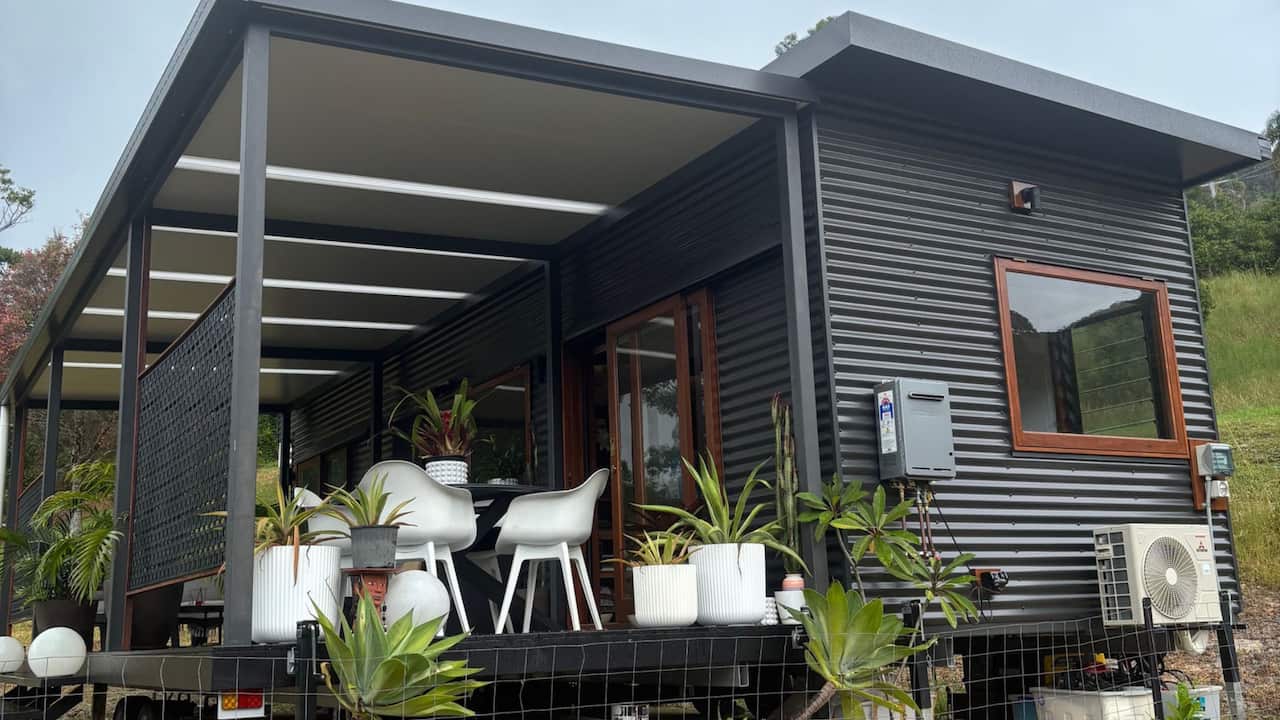
Sally will be leasing land in her local community and going off-grid — generating all her own power for her fridge, reverse-cycle air conditioning and gas hot water.
“I feel that I’m in control of where I am,” Sally said.
“And if my circumstances with where I’m renting [the land] change, I can just move [the tiny home].”
How many older people rent in Australia?
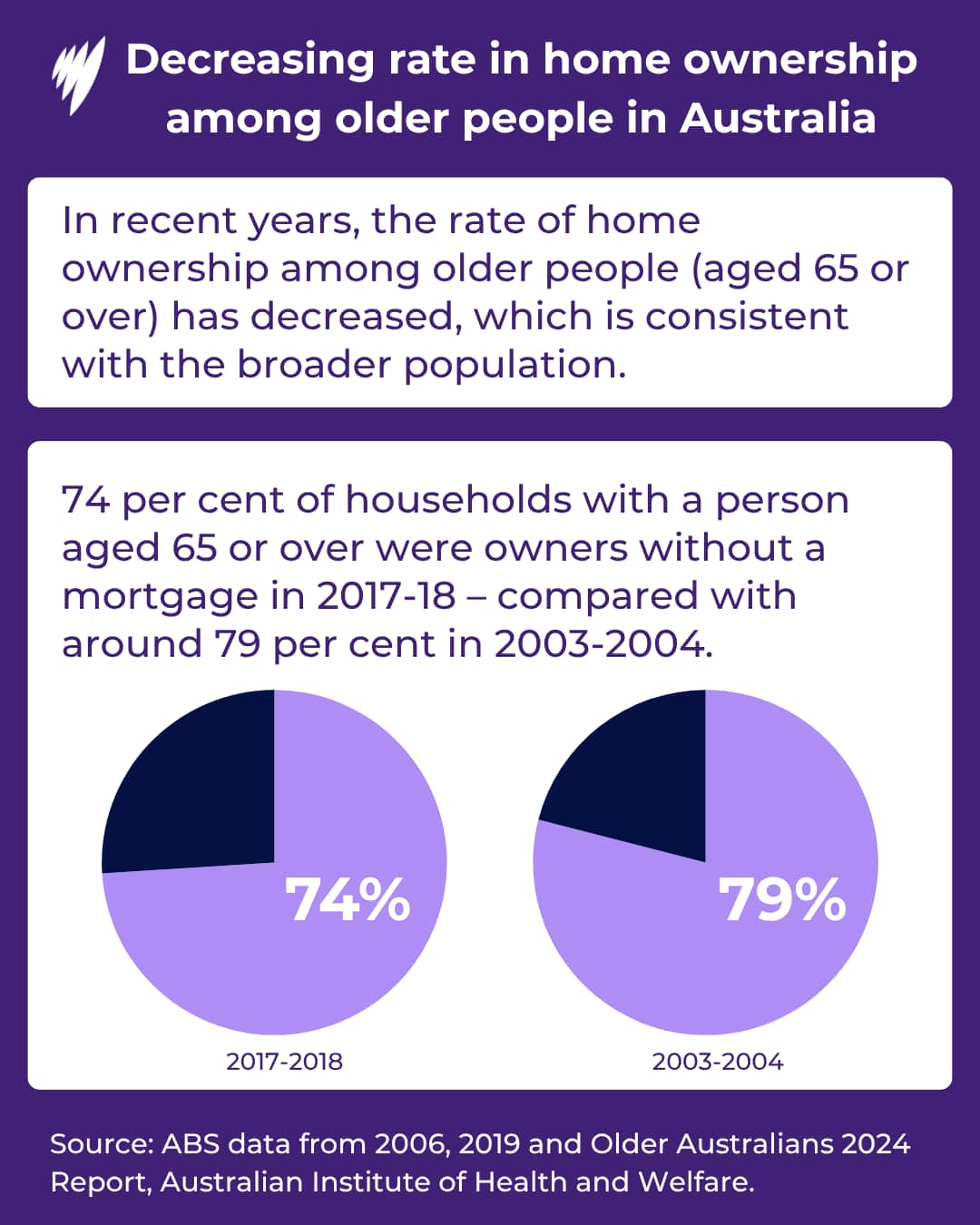
In recent years, the rate of home ownership among older people (aged 65 or over) has decreased — consistent with the decreasing trend among the broader population.
Seventy-four per cent of households with a person aged 65 or over were owners without a mortgage in 2017-18 — compared with around 79 per cent in 2003-2004, according to a 2024 Australian Institute of Health and Welfare report.
Financial adviser Grace Bacon says it can be harder to obtain a loan as you get older, which can make buying in retirement difficult.
“And real estate agents, as well as landlords, tend to want to push the rent up, particularly in the metro areas — even in regional areas as well,” Bacon told Insight.
“So it ends up being quite a bit of uncertainty and anxiety for renters.”
Sydney-based Bacon has particular concern for the rising number of women facing homelessness in their older years.
She says this is because women typically have about 25 per cent less superannuation than men, due to the gender pay gap, which flows onto a gender retirement gap and motherhood penalty.
“Also, if they undergo a divorce or become widowed, they lose a large part of the household asset and income base.”
Bacon advises people to start planning for their retirement 10 to 15 years before they intend to give up work.
She also says that many of her clients think about their children’s finances but need to prioritise their retirement and look after themselves first.
“I always say to clients … join the SKI club, which is Spend the Kids’ Inheritance club.
“Because what you give, you’re not going to get back.”
Living communually
Some people are adopting a community-centric approach beyond the family unit when it comes to housing in older years.
Ian and his wife have lived on a large inner-city Canberra suburban block they co-own with two other couples, who range in age from their 50s to 70s, for the past year.
“Over the last 50 years, suburban living has become more isolating, and we designed our home here to prevent that,” Ian told Insight.
The couples each have an independent unit but share the garden and facilities such as the kitchen, lounge room, garage and workshop.
But Ian, who is in his 60s, recognises that cohousing isn’t for everyone.
“It suits people who are able to cooperate, who are able to communicate, who are able to listen,” he said.
“You’ve got community — and you’ve got the fact that you are sharing the cost of a lot of things.”
Managing on your own
Although Sandra feels some financial strain with renting, she knows that cohousing is not for her.
“I love living alone, I love my privacy, and I can manage — I’ve always managed on my own,” she said.
“I don’t like relying on other people, so perhaps it’s just not for me.”
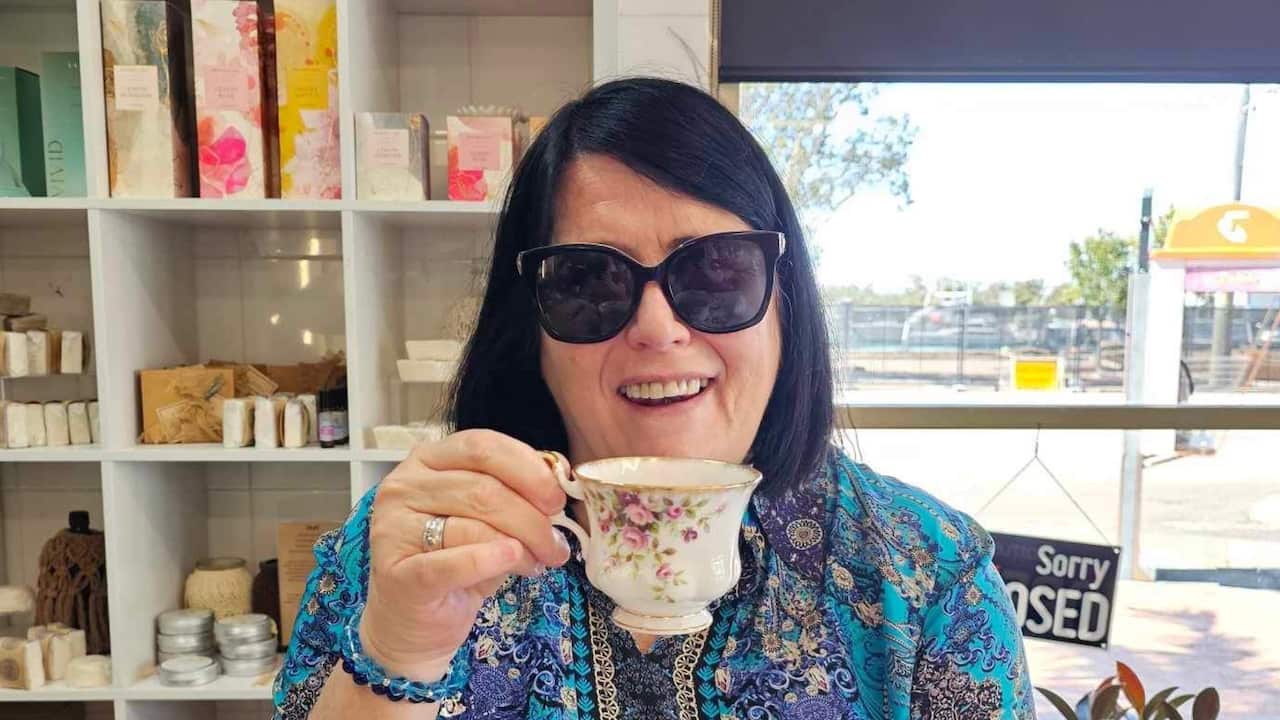
The retired teacher is now studying to be a library assistant and hopes she will never have the experience of being unhoused.
“I guess if it were to happen to me, I’m not sure what I’d do …” Sandra said.
“… I think I’d probably sleep in my car or see if I could get some help from friends and couch surf or something along those lines.”
Watch your favourite Insight episodes around the clock on SBS On Demand’s dedicated Insight channel. For the latest from SBS News, download our app and subscribe to our newsletter.