
Share this @internewscast.com
For the first time in over 50 years, astronauts are making their way to the moon, marking a historic achievement for human space travel as they venture farther from Earth than ever before.
Last Thursday morning, Australian time, the Artemis II mission launched from Kennedy Space Center in Florida. Aboard the rocket were four astronauts: Reid Wiseman, Victor Glover, and Christina Koch from NASA, along with Jeremy Hansen from the Canadian Space Agency.
Their journey to the moon, which includes a trip around its far side, has been captured in a series of stunning images. These photographs document their historic voyage, showcasing their progress from liftoff to lunar orbit.
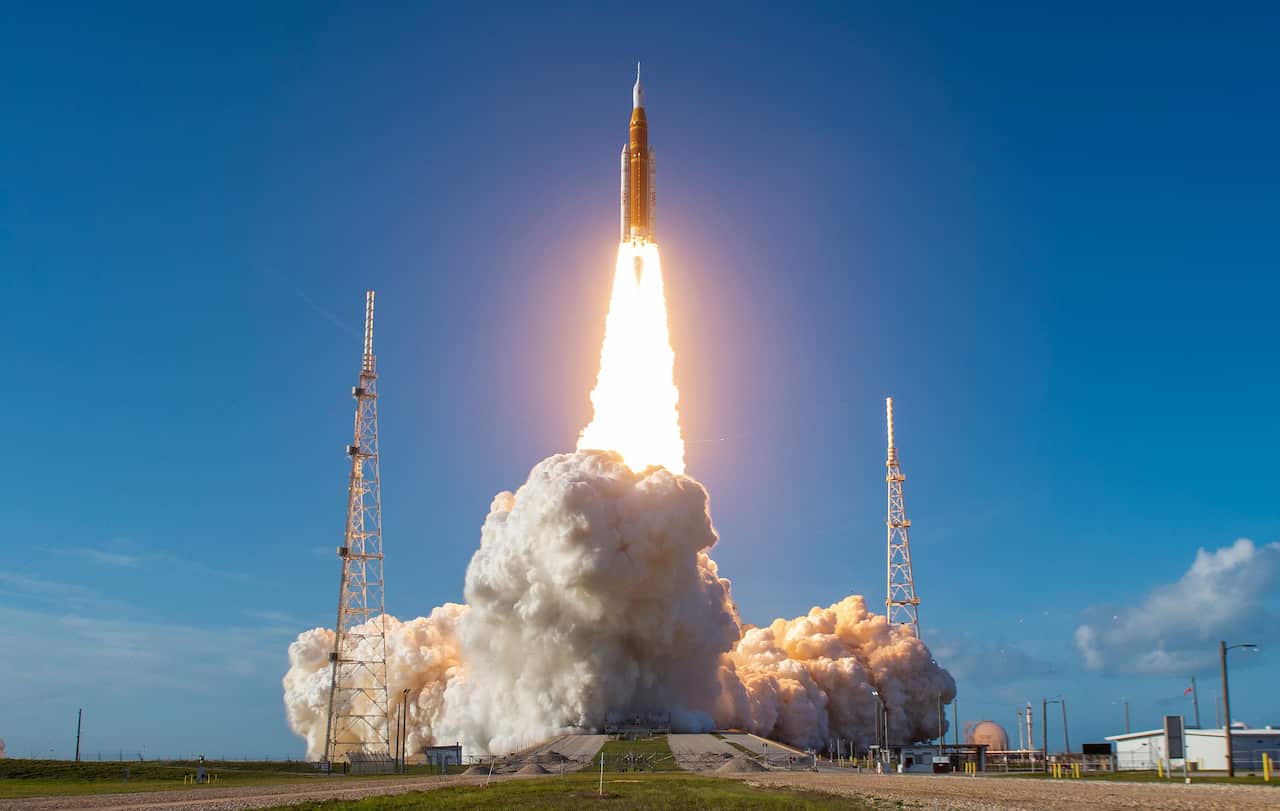
The mission commenced at 8:35 a.m. AEDT, with the spacecraft departing from Launch Complex 39B. Their anticipated 10-day expedition began with this significant launch.
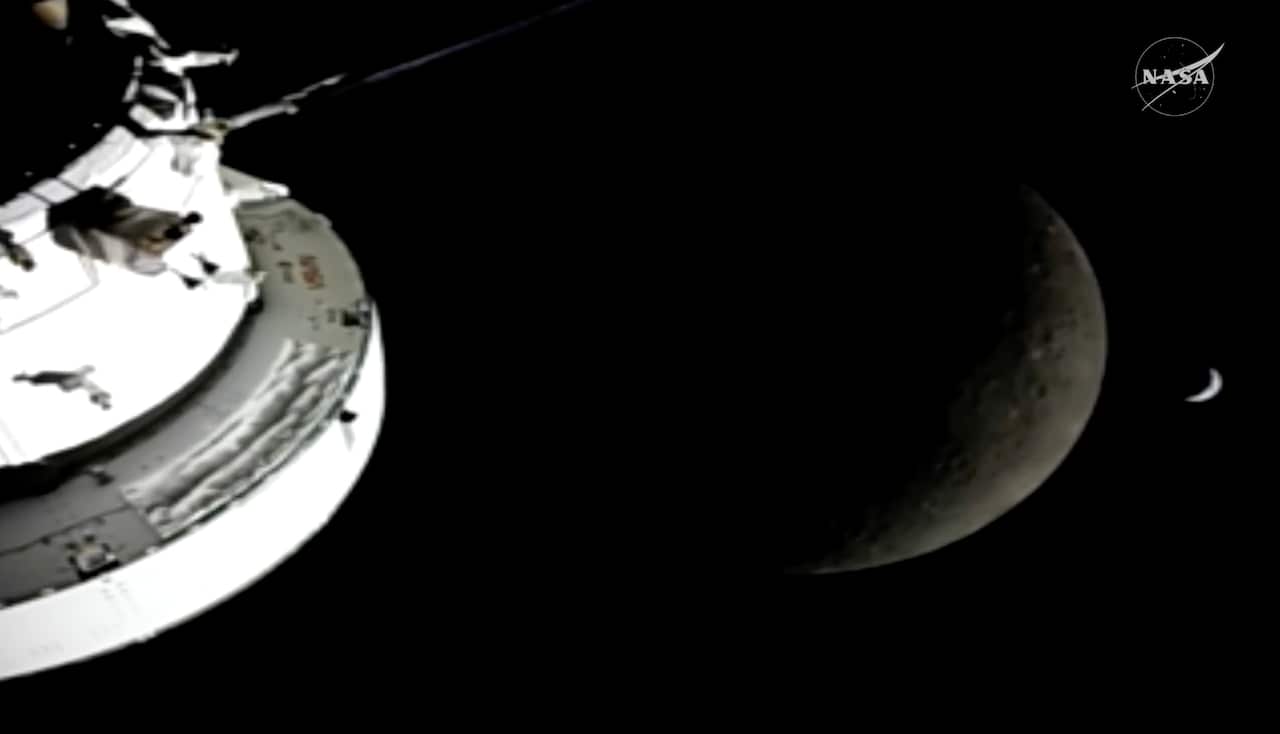
Just over a day into their mission, the crew neared the moon, capturing images of its surface. The astronauts shared their excitement, describing how they were “glued to the window” as they snapped photos of the lunar landscape.
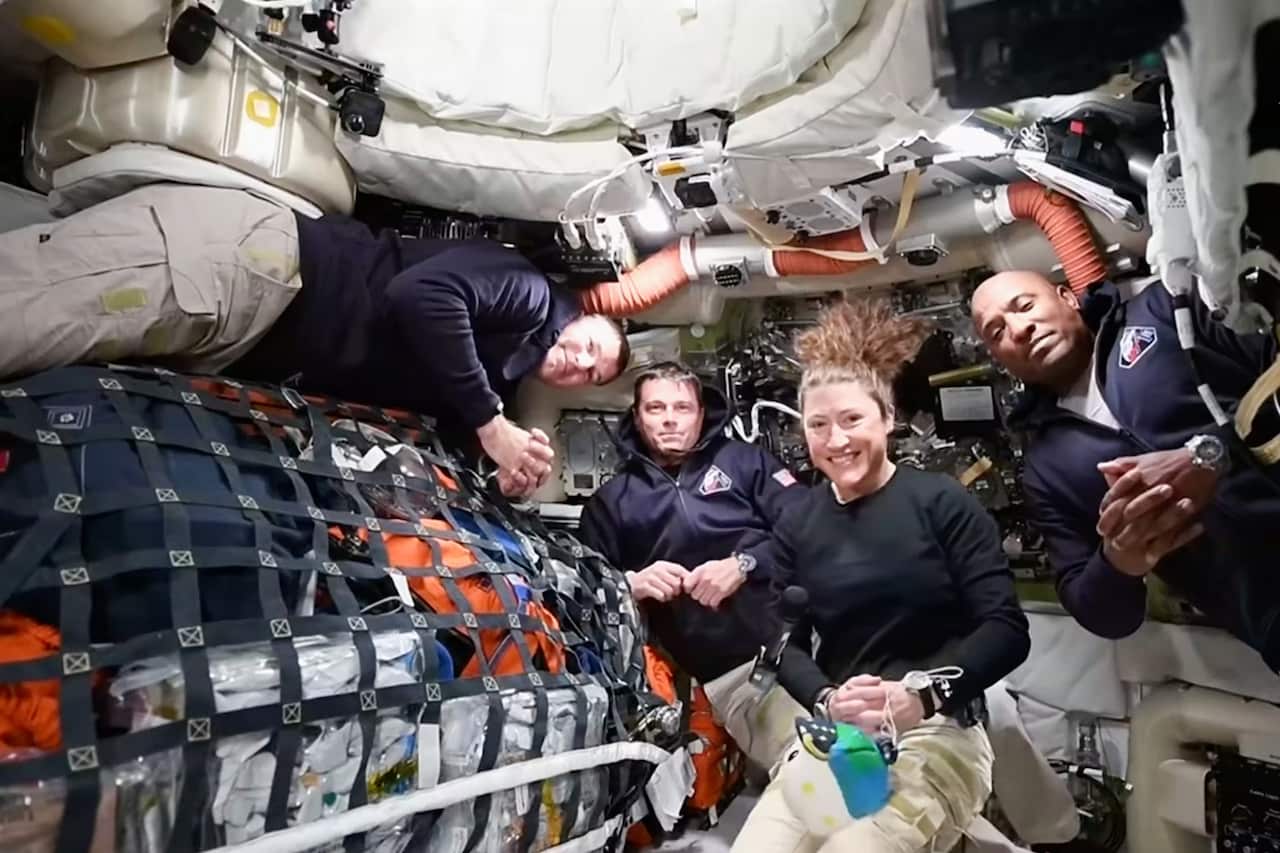
In a lighter moment, the crew passed a floating microphone among themselves to answer questions from U.S. television networks, sharing their experiences with audiences back on Earth.
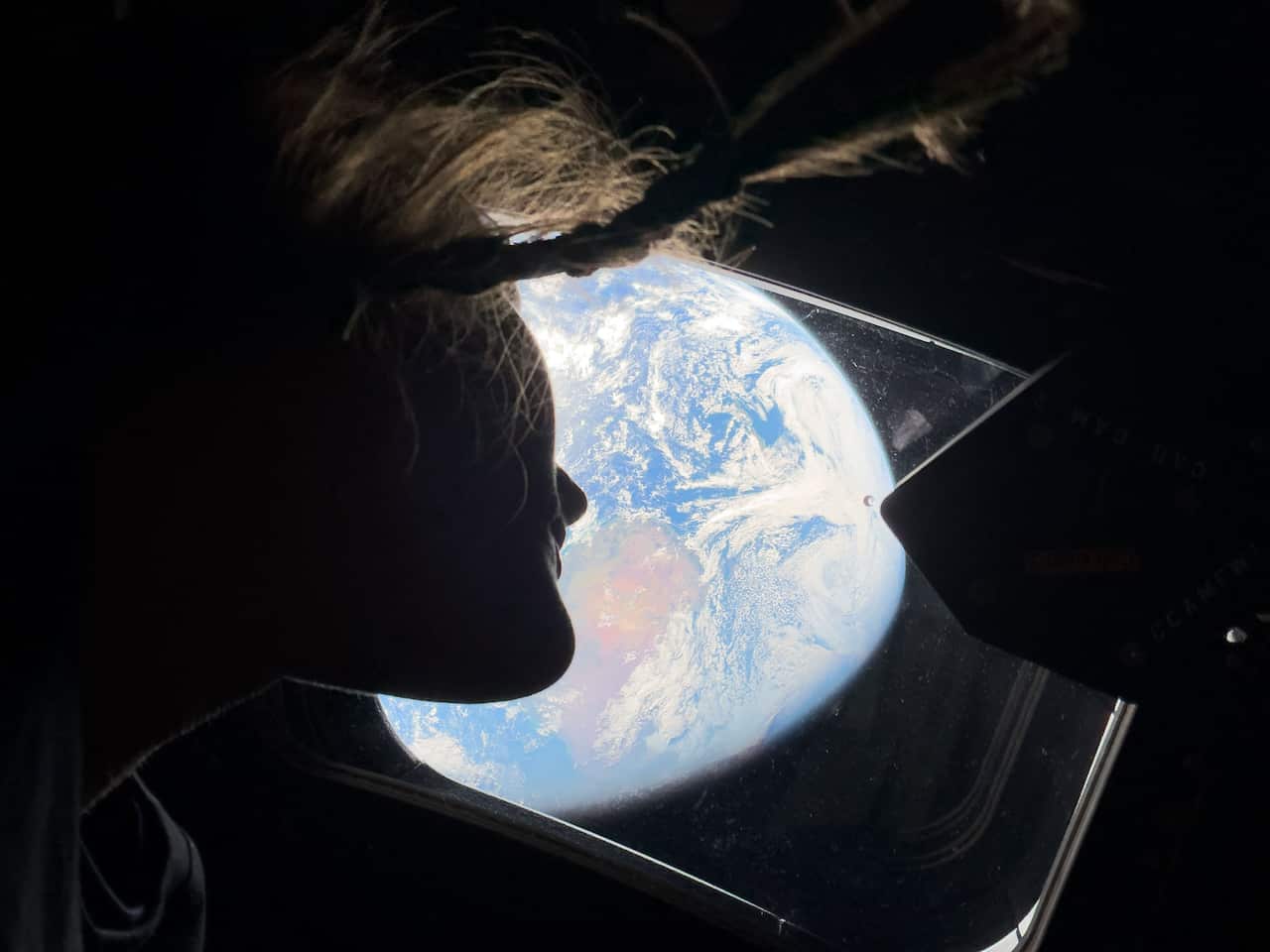
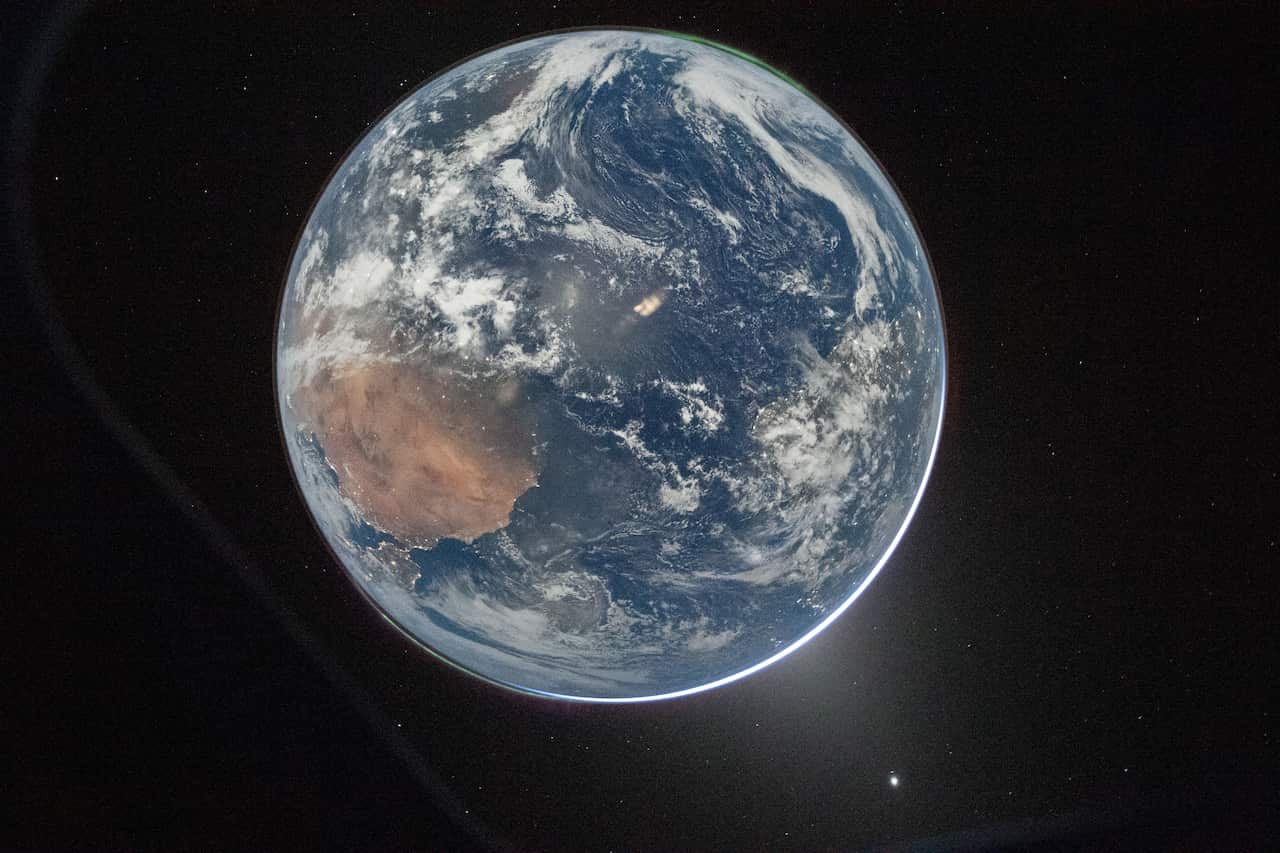
NASA later released images taken from inside the Orion spacecraft, including a full portrait of Earth’s deep blue oceans and billowing clouds.
On Monday at 9.07am (AEST), Artemis II travelled to the far side of the moon, and reached the furthest point from Earth on its journey.
For 40 minutes, the craft lost contact with Earth as planned.
While out of contact, NASA said the crew saw a part of the moon that had never before been seen by human eyes.
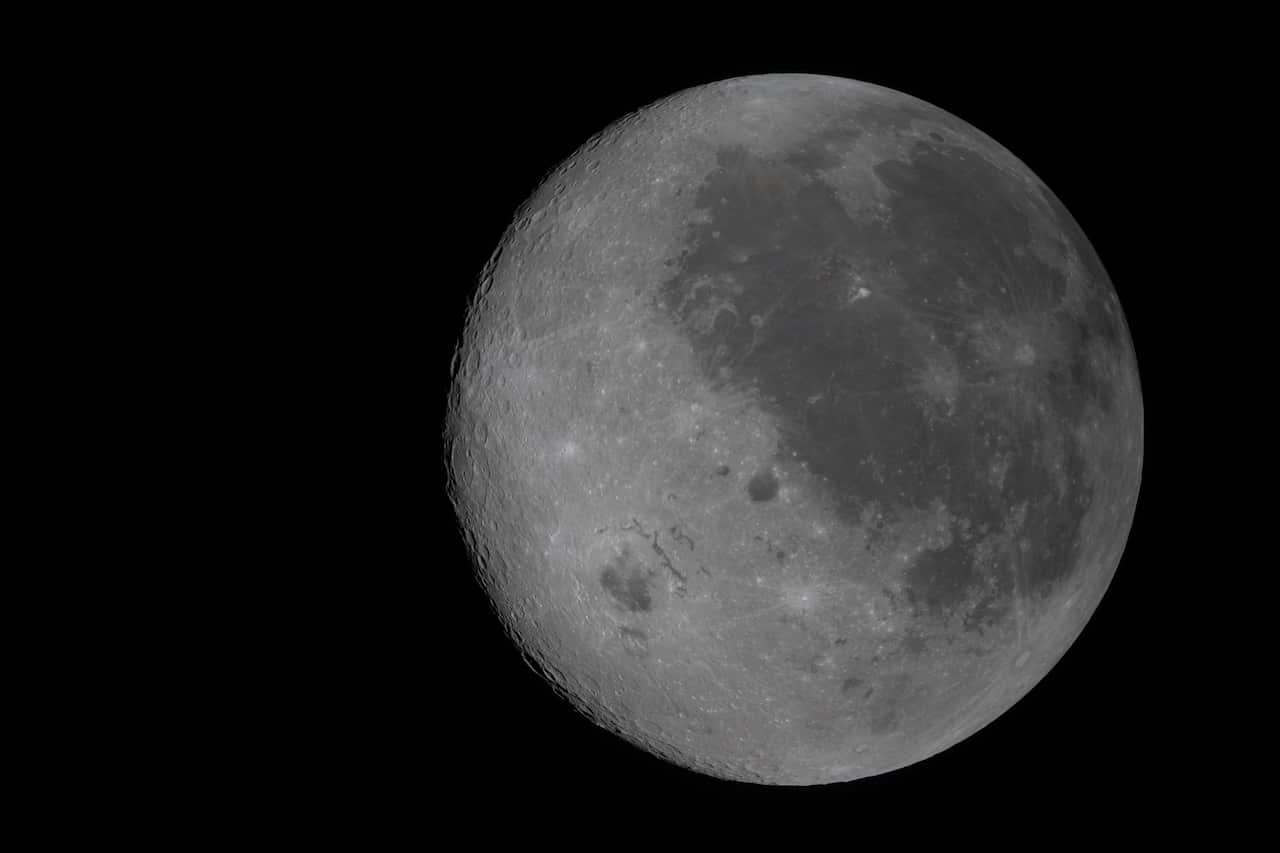
The agency has since released an image showing part of the moon’s Orientale Basin — a 965-kilometre-wide crater.
It had previously only been captured by robotic explorers.
The moon’s near side, which faces the Earth is in the top half, and the far side, with its distinctive target-shaped Orientale Basin, is visible in the bottom half.
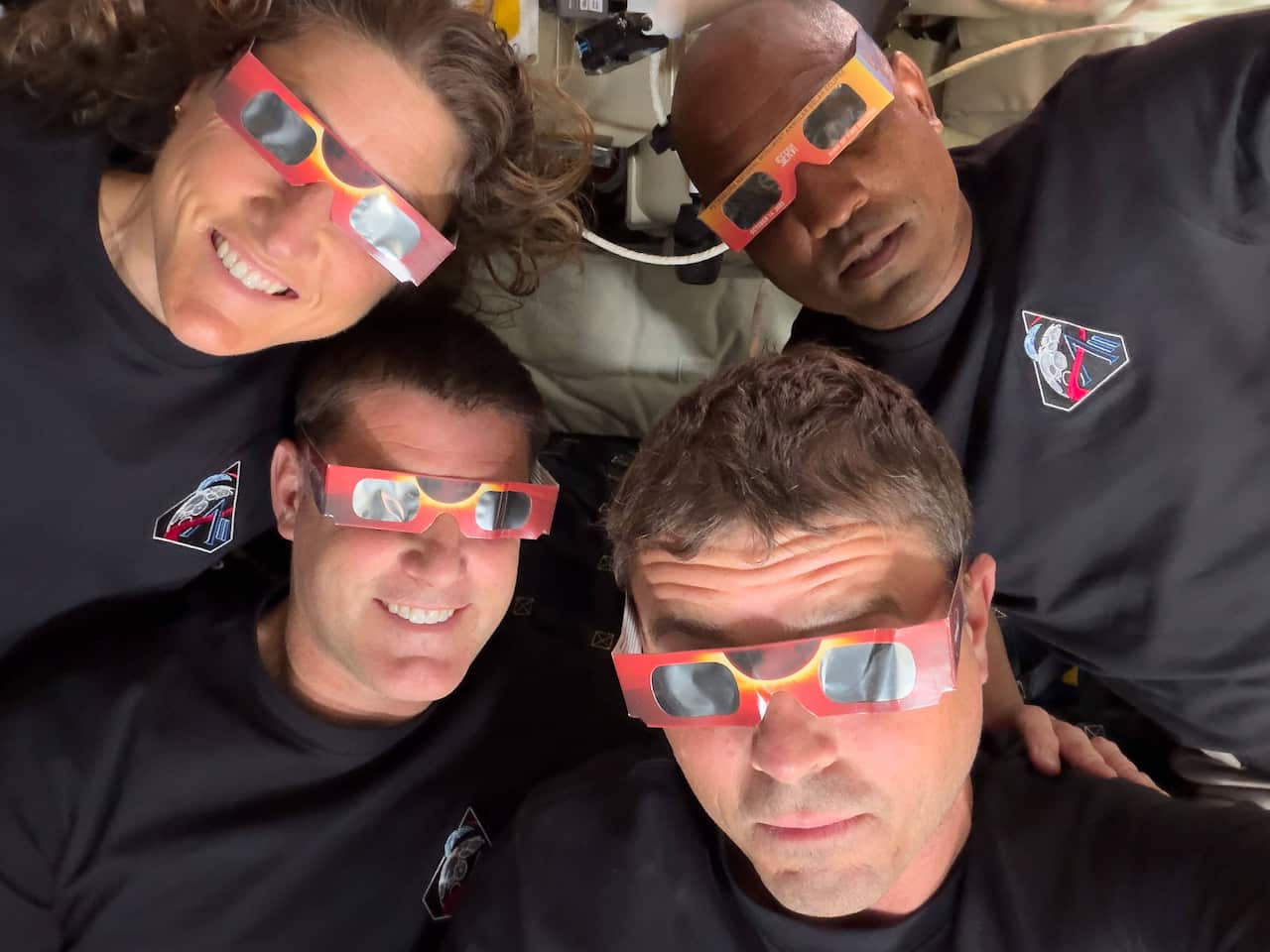
In the final hour of their six-hour lunar flyby, the sun, the moon and the Orion capsule lined up for a solar eclipse.
For 53 minutes, the moon covered the astronauts’ view of the sun.
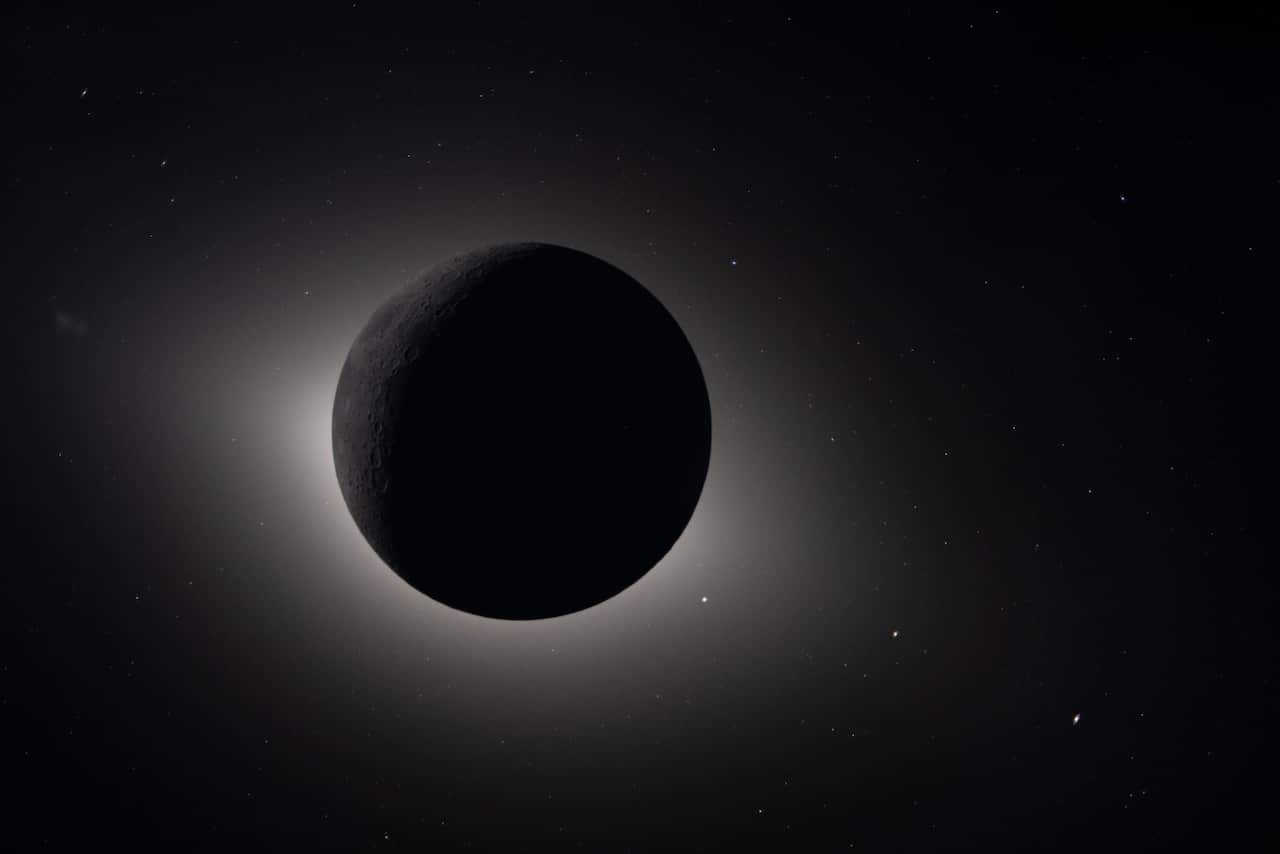
Speaking to mission control back on earth, one of the astronauts said the spectacle was “unreal”.
“After everything we saw earlier, this is just … we just went sci-fi.”
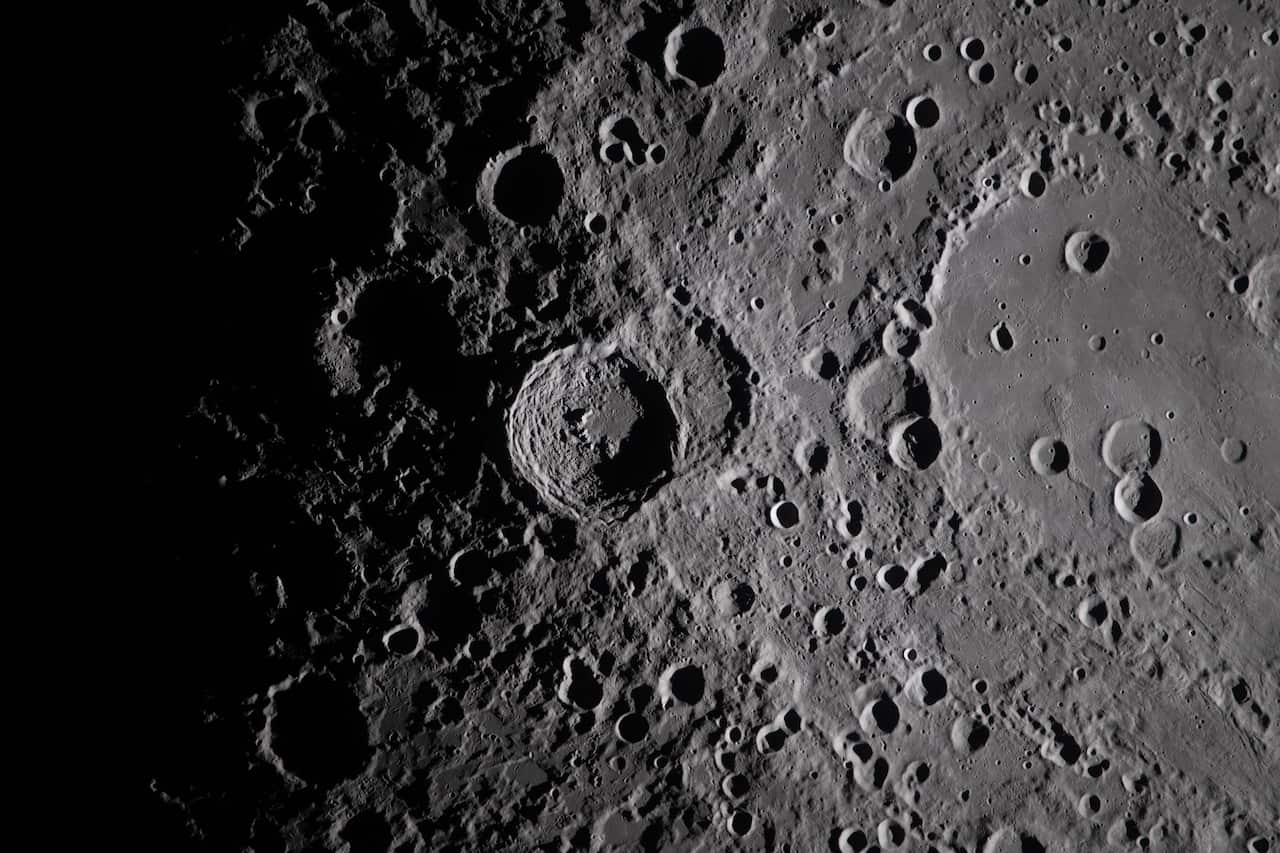
At the end of its seven-hour lunar flyby, the Orion capsule started its four-day trip back to Earth.
It’s scheduled to splash down in the Pacific Ocean off the coast of California on Friday night local time (Saturday morning AEST).
For the latest from SBS News, download our app and subscribe to our newsletter.