
Professor Henry Brodaty: A Lifetime Dedicated to Dementia Research
Professor Henry Brodaty has spent his career unraveling the mysteries of dementia, driven by a deeply personal connection to the disease. The tragic experience of watching his father succumb to dementia at the age of 59 ignited his passion to delve deeper into understanding and combating this pervasive illness.
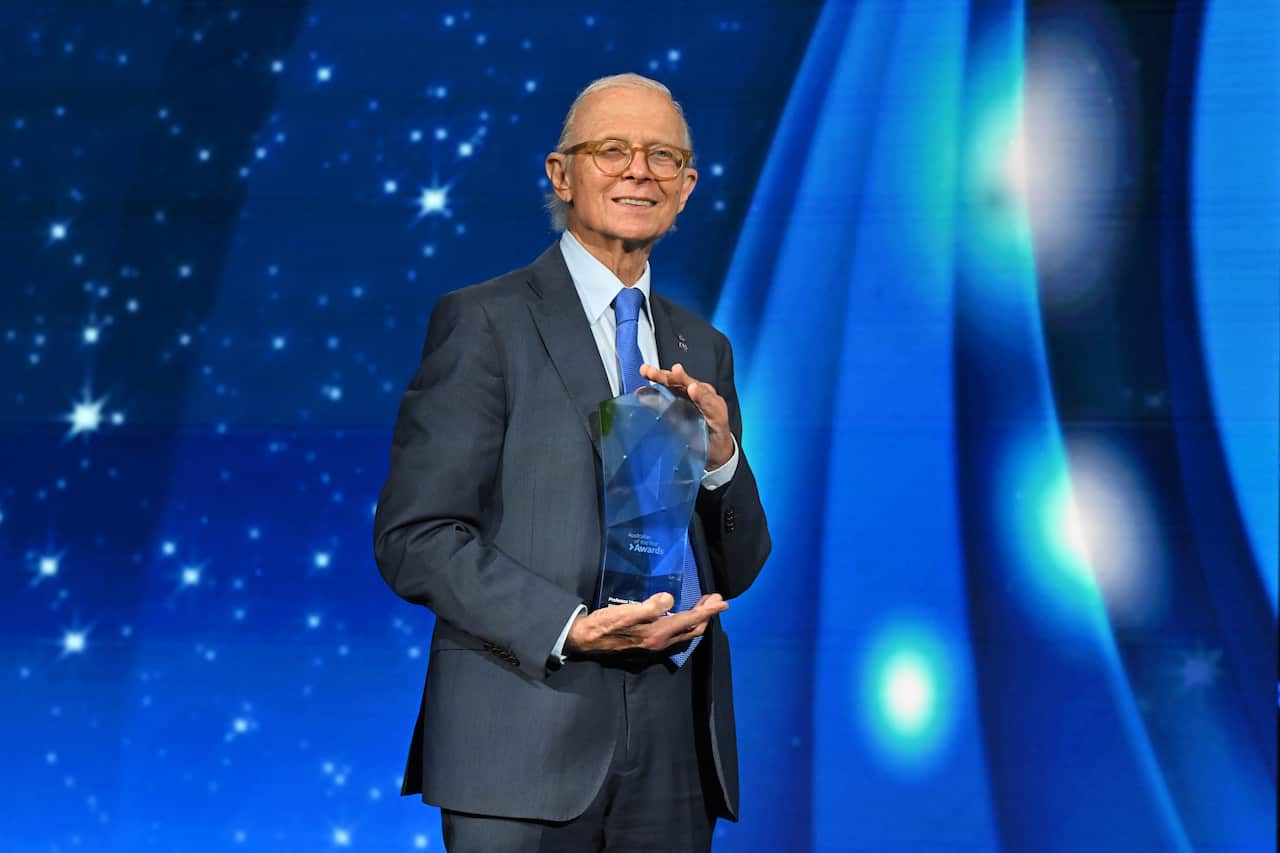
At 78, Brodaty stands as a revered figure in the field of dementia research. He is a professor of aging and mental health and co-director at UNSW Sydney’s Centre for Healthy Brain Ageing (CHeBA). His lifelong dedication was recently recognized with the Senior Australian of the Year award, a testament to his significant contributions.
In 2024, the Australian Institute of Health and Welfare reported that over 420,000 Australians were grappling with dementia. Alarmingly, it claimed the top spot as the leading cause of death in Australia by 2023. This underscores the urgent need for continued research and awareness in managing this widespread condition.
Dementia itself is not a singular disease but rather a collection of symptoms resulting from various brain disorders. It affects multiple facets of life, including memory, speech, thought processes, personality, behavior, and mobility. Tragically, it is a degenerative and terminal illness, presenting immense challenges for both patients and their families.
Dementia can impact memory, speech, thought, personality, behaviour and mobility. It is a degenerative, terminal illness.
The most common form of dementia is Alzheimer’s disease.
However, research published in the Lancet Commission in 2024 that 45 per cent of dementia cases are avoidable through lifestyle changes.
In his acceptance speech for the Senior Australian of the Year Award, Brodaty called for a whole-of-life approach to brain health.
After spending most of his life trying to understand the disease, he shared with SBS News measures one can take to reduce or delay the risk of developing dementia.
Get moving
Brodaty said that “both aerobic and strength training” is good for reducing the risk of dementia, and encourages people to “pull or push weight a couple days a week”.
CHeBA notes that exercise is one of the best medicines available, and reduces the risk of not only dementia, but an array of other conditions such as heart disease, diabetes, cancer, high blood pressure, obesity and depression.
“Build regular exercise into your schedule — make time for it,” Brodaty said.
“Going for a walk with your friend and chatting probably isn’t enough. You need to get puffed and sweaty.”
Use your brain
Much like exercise, complex mental activity strengthens and enhances the function of the brain.
By learning throughout our lives and supporting kids’ education, we can reduce the risk of dementia.
“In the early stages of life, it’s getting an education — the more education you have, the greater your cognitive reserve. It’s like a buffer,” he told SBS.
“So we may build up pathology in our brain, but our ability to withstand the effects of it are improved if we have more cognitive reserve. And that whole process of buffering against pathology is called resilience. So it’s cognitive resilience.”
The CHeBA recommends not only formal education, but also learning a new skill, language or dance, socialising, volunteering and brain training as ways to ensure complex mental activity.
Eating a good diet
“Particularly based on the Mediterranean diet: lots of vegetables, legumes, extra virgin olive oil, almonds, walnuts,” Brodaty said.
He also encourages people to avoid drinking excess alcohol.
CHeBA recommends a healthy, balanced diet rich in micronutrients, proteins, essential oils and complex carbohydrates.
In 2024, two new dementia risk factors were updated to the standing Lancet Commission on dementia prevention, intervention and care. One of them being high LDL [Low-density lipoprotein, otherwise known as “bad”] cholesterol. It’s important to monitor your cholesterol and reduce consuming foods with high saturated and trans fats.
Protect your head
“People worry more about their hair than what’s underneath it. We should treasure our brains,” Brodaty said.
He encourages the use of helmets when riding bicycles or playing contact sports.
“We need to be as conscious of our brains as we do our heart.”
Brodaty and a team of researchers ran a study called Maintain Your Brain which involved 8,000 people between the ages of 55 and 77 who did not already have dementia.
They found that through online coaching and support in the areas of physical activity, nutrition, brain training and mental health, the participant’s overall cognition improved.
This was compared to the other half of participants who only received publicly available information on dementia and risk reduction.
“The group that got the coaching improved almost three times as much … we think our program delayed the onset at least a year.”
For the latest from SBS News, download our app and subscribe to our newsletter.


