
Share this @internewscast.com
At present, the US dollar is valued at over 1.4 million Iranian rials.
In the span of just under half a century, the rial has depreciated by approximately 20,000 times, reaching a historic low last month, which has triggered widespread protests throughout Iran.
According to data from the World Bank, around 10 million Iranians have descended into poverty over the past ten years.
In 2020, nearly 30% of Iranians were living below the poverty line, and an alarming 40% face the risk of falling into poverty soon.
The brief but intense 12-day conflict with Israel and the US in June 2025 further exacerbated the situation.
The destruction of nuclear and military sites during the bombings inflicted billions of dollars in costs for reconstruction and lost revenue, deeply affecting Iran’s economy.
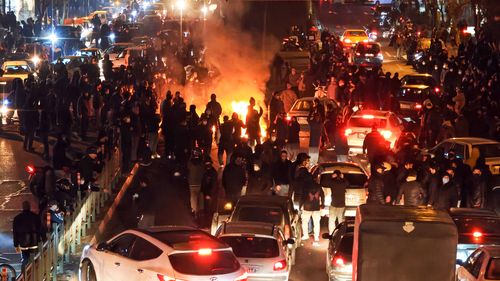
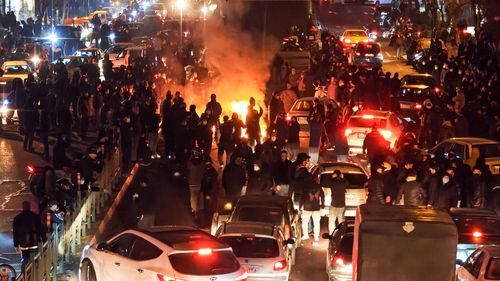
By December the value of the rial had hit a record low, kicking off weeks of protests which have left at least 500 people dead.
The death toll is only expected to rise.
How Iran is responding to protests
When protests first broke out, the newly-appointed head of Iran’s central bank promised the government would address the “legitimate” issues affecting Iranians.
He offered citizens cash handouts of $US7 ($AU10) per month.
But the protests continued, leading Iranian authorities to crack down on protestors – sometimes violently.
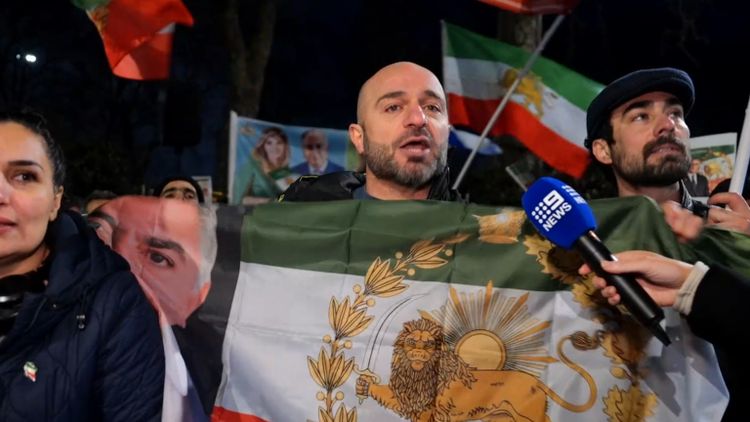
Hundreds of protesters and tens of security personnel have died since demonstrations began, but exact reports of what’s going on in Iran right now are hard to verify.
The government already has a firm hold over local media outlets and restricts international outlets from reporting in Iran.
A communications blackout has also been implemented, cutting off the internet and phone lines – and, by extension, everyday Iranians’ connection to the outside world.
Now there are fears the Iranian government could come down on protestors even harder and the death toll is predicted to continue to rise.