
Share this @internewscast.com
Recent findings from a 12-year study conducted in Australia have effectively dispelled previous assumptions.
Twelve years of research
Researchers employed acoustic telemetry, utilizing listening stations that activate when a tagged shark approaches, along with data from tourism operators, to monitor shark movements over the years. This was done to determine if the absence of sharks in 2015 was an anomaly or part of a natural behavior pattern.
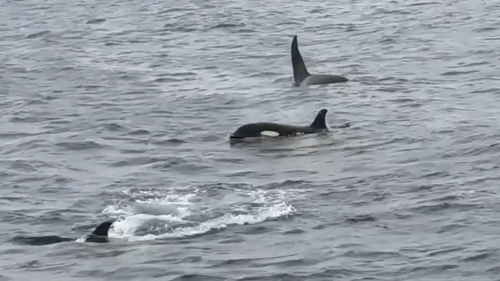
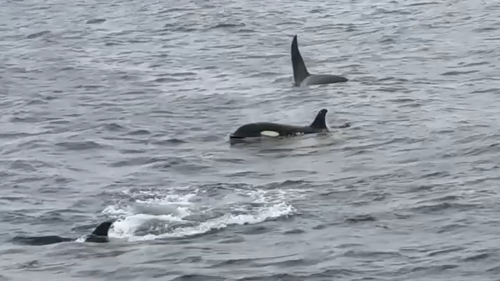
The study highlighted six periods of extended shark absences, such as a short five-day gap following an orca appearance in October 2024, and a four-day interval coinciding with the death of a tagged whale.
However, the team discovered that not every incident involving orcas or shark fatalities resulted in these prolonged disappearances.
According to Reeves, the movement patterns of great white sharks around the Neptune Islands show significant variability.
“There are certainly extended periods when they’re not present, which can occur regardless of killer whale activity,” she noted.
“It’s really hard to say. There’s so much going on in our oceans right now, which could be contributing to this.
“But I think the main takeaway is that it’s not the killer whales at the Neptunes that are causing the prolonged absences.”
Another study is currently under way to understand what causes prolonged shark absences.
NEVER MISS A STORY: Get your breaking news and exclusive stories first by following us across all platforms.