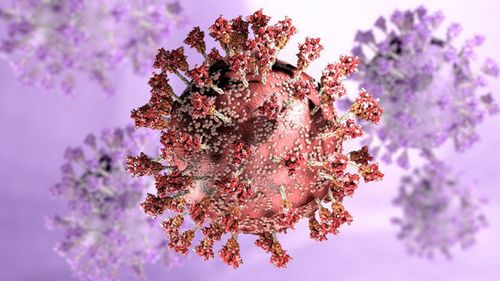

More than five years after COVID-19 was declared a pandemic, cases of a new variant advancing across Australia are worrying health officials. 
The subvariant NB.1.8.1, a member of the Omicron virus family, has appeared in various states as winter approaches.
Earlier this month, the World Health Organisation (WHO) classified NB.1.8.1 as a “variant under monitoring” because of its international spread. This subvariant has caused hospitalisations in Hong Kong, mainland China, and parts of the US.
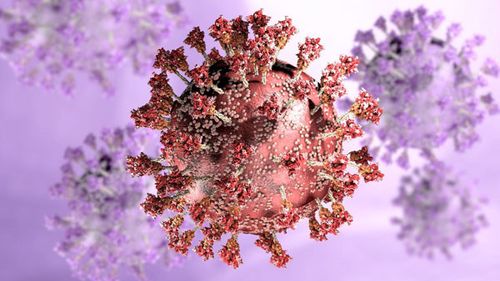
The NB.1.8.1 variant is also responsible behind new COVID-19 cases across Australia, according to Griffith University in Queensland.
They ranged from less than 10 per cent of cases in South Australia to more than 40 per cent in Victoria, of those sequenced early this month.
Wastewater surveillance in Western Australia has revealed NB.1.8.1 is now the dominant variant in samples taken in Perth.
The most recent NSW Respiratory Surveillance Report indicates that COVID-19 cases have reached “a moderate level of activity,” with early indications showing that the new variant is contributing to an increase in infections.
Health Minister Mark Butler says Australians should ensure their booster jabs are updated.
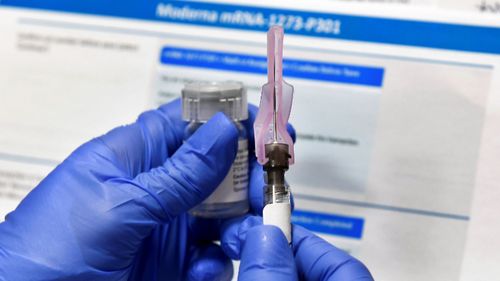
“I do encourage, particularly as we head into winter, for people to think about the last time they got a COVID vaccine,” he told the ABC today.
“If you are over 75 you should have one if it’s more than six months since you had your last booster. If you’re 65 to 74, if it’s more than 12 months. And for everyone else have a serious think.”
What are the origins of the new variant?
The WHO says NB.1.8.1 was first detected in samples collected in late January 2025.
Common symptoms include sore throat, fatigue, fever, mild cough, muscle aches and nasal congestion.
Gastrointestinal symptoms may also occur in some cases.
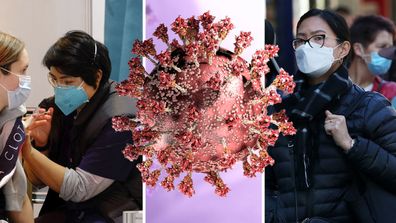
Answers to the most commonly Googled questions about COVID-19
The WHO has not yet observed any evidence it causes more severe disease compared with other variants, but it may spread more easily and resists previous inoculations.
How effective is vaccine?
Current COVID-19 vaccines should protect people against serious defeat from NB.1.8.1, according to the WHO.
The most recent booster available in Australia targets JN.1, from which NB.1.8.1 is descended.
So it makes sense that it should still offer good protection.