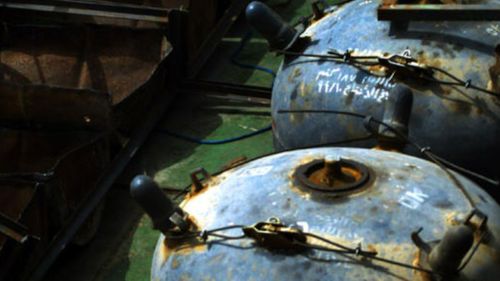

Before the conflict erupted, Iran’s navy possessed approximately 5,000 sea mines. However, recent strikes by the United States and Israel have significantly depleted these reserves, leaving Iran with around 500 mines. Additionally, the Pentagon reports that Iran has lost all of its mine-laying vessels.
Despite this reduction, experts caution that Iran retains the capability to retaliate in the Strait of Hormuz. With its remaining sea mine arsenal, Iran could still pose a threat to warships, oil tankers, and various other maritime vessels navigating this crucial waterway.
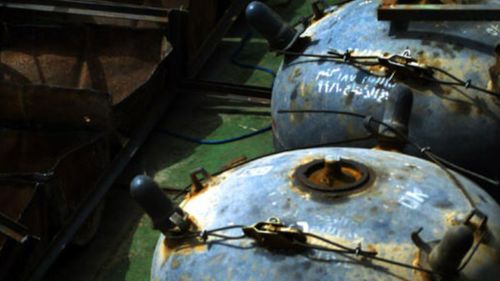
Though the mine clearance capabilities of the US Navy and other Western forces have advanced significantly, the task of clearing mines remains a challenging and potentially hazardous endeavor.
Typically, naval ships employ a strategy of sweeping designated sea areas to identify and neutralize mines.
Upon detection, mines anchored to the seabed are cut free from their mooring cables. They are then either allowed to float to the surface for removal or are destroyed.
For mines hidden on the ocean floor, minesweeping vessels deploy acoustic, electrical, or magnetic signals to locate them. Once identified, these mines are neutralized through controlled detonations.
They can also be detected by sonar on underwater drones or lasers mounted on the drones or even on helicopters and then destroyed safely.
But the ever-present danger makes any mine clearing mission a lengthy one when caution comes first.
The task could be even tougher with reports the Iranian navy doesn’t know the exact places around the Strait of Hormuz where it laid their mines.
It means the timeline to clear them can pull out from days to weeks to even months, a duration the global economy can ill afford.
NEVER MISS A STORY: Get your breaking news and exclusive stories first by following us across all platforms.


