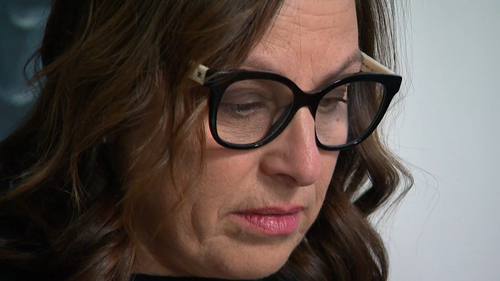

But there are warnings about the hidden tax trap and the impact on your retirement.
It was the week of Christmas in 2020 when Rose Charles’ life changed forever.
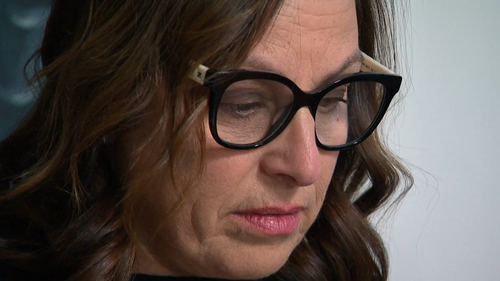
“I didn’t ask to get cancer, I didn’t want to get cancer,” Charles said.
Sixteen rounds of chemotherapy, 30 rounds of radiation, a double mastectomy and breast reconstruction followed.
The gruelling treatment forced her to quit her job while raising a teenage son.
“You’ve still got gas bills, you’ve still got school fees,” she said.
Rose joined a growing number of Australians tapping her superannuation early to make ends meet.
“I only took out the cost of one procedure and that was $35,000,” she said.
At least 50,000 Australians accessed their super early on compassionate grounds last financial year.
In total, more than $1 billion has been approved for release.Â
“We’ve certainly seen an increase over the last 12 months, it’s about a ten per cent increase,” Aware Super general manager Peter Hogg said.
The big catch, as Charles discovered, is that you have to pay tax.
Because super is taxed favourably going in, if you pull it out before you turn 60, you have to pay the tax you skipped.
That can be up to up to 22 per cent, on top of the 15 per cent paid on your contributions on the way in to your fund.
“So the government got a fair chunk,” Charles said.
You can get a refund at the end of the financial year, if your marginal tax rate is less than 37 per cent.
The strategy comes with a warning, to think hard about sacrificing future retirement earnings, only if it’s absolutely necessary.Â
“We believe the rate is quite high for individuals with immediate needs, and we think there is likely a more efficient way to address this,” stated Mary Delahunty, the chief executive of ASFA.