
Shops are closed during protests in Tehran's centuries-old main bazaar in Iran on January 6.
Anti-government protests erupted in Tehran, as Iranians angered by a flailing economy and crackdowns by security forces marched through the streets of the capital and shouted slogans against the ruling theocratic regime.
Authorities cut internet access and telephone lines in Iran immediately after the protests began.

An internet watchdog organization has labeled the recent internet blackout as a potential precursor to a violent government crackdown. Despite the digital shutdown, protesters have continued to circulate videos of their demonstrations online.
Shops are closed during protests in Tehran's centuries-old main bazaar in Iran on January 6.
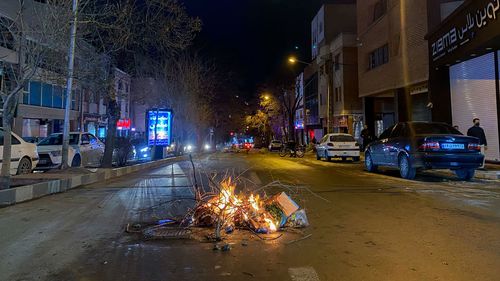
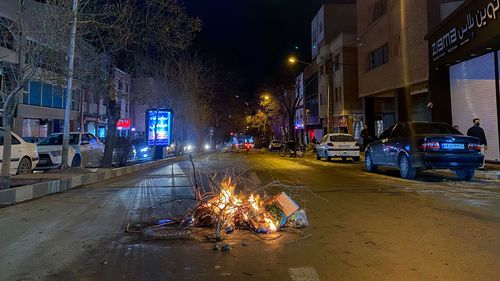
Burning debris lies in the middle of a street during unrest in Hamedan, Iran. (AP)

Experts caution that without a feasible alternative to the existing ruling system, these protests may not lead to a change in regime. Nonetheless, the widespread dissent highlights the significant challenges facing Iran’s government.

“None of Iran’s political leaders have a blueprint to get Iran out the crises,” Arang Keshavarzian, an associate professor of Middle Eastern and Islamic studies at New York University, told CNN.

“The Islamic Republic primarily relies on coercion and force as its remaining tools,” one analyst noted. “People have attempted various methods to express their views.”

He further explained, “Over the past 15 years, large portions of the population have lost faith in the regime. They doubt its capacity and willingness to genuinely listen to their grievances and address their interests.”

You May Also Like
England players toiled in the field because of the extreme heat on day one of the Test

New Zealand’s Heatwave Advantage: The Secret Weapon Giving Them the Edge Over England as Players Suffer Behind the Scenes

England have had more than just cricketing pressure to contend with this…