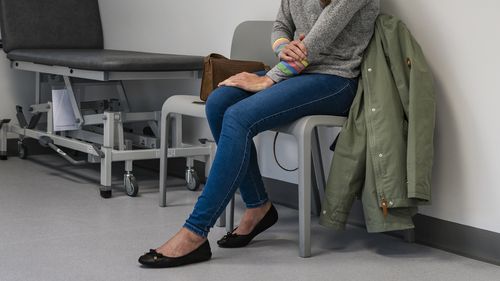
For 30 years, doctors have been telling Lily* that the excruciating pain she experiences during sex is all in her head.
It’s actually vaginismus, a prevalent vulvovaginal disorder that results in involuntary vaginal muscle spasms. However, after enduring decades of unsatisfactory experiences with healthcare providers, she has abandoned the pursuit of treatment.
Lily is not alone; recent research from the US has shown that one in two women seeking care for vulvovaginal disorders (including vaginismus) think about giving up due to negative encounters with healthcare professionals.
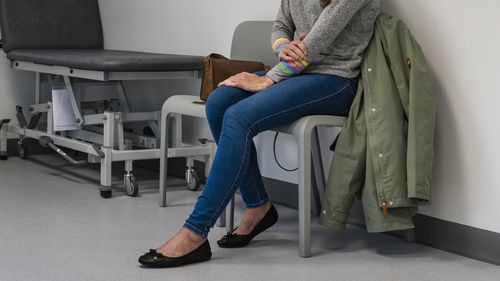
Dr. Pav Nanayakka, the lead gynaecologist at Jean Hailes for Women’s Health, has heard numerous accounts of women feeling dismissed, shamed, and invalidated when seeking care for vulvovaginal disorders.
She told 9news that it often leads to a loss of trust in the healthcare profession and patients avoiding care altogether.
“There are definitely educational gaps in medical training,” she said.
“Many providers have very little formal education about evolving vaginal disorders, especially the chronic or less common ones.”
Conversely, positive experiences made women more likely to continue seeking help and treatment even when faced with setbacks.
More broadly, two in three women reported they experienced health care related gender bias or discrimination, according to the 2024 #EndGenderBias Report.
Experiences of gender bias or discrimination were most common in relation to sexual or reproductive health care.

Where Australia ranks in countries with the greatest health freedoms
Nanayakka encouraged patients who have had poor experiences to seek medical professionals with a special interest in women’s health rather than giving up on treatment entirely.
“There can be some really, really important conditions that can be misdiagnosed and they can be potentially dangerous if they are missed,” she said.
But affording specialist appointments, especially when you’ve already paid to seek care before, can be difficult in a cost of living crisis.
Lily has forked out thousands on medical appointments over the years and can’t afford to keep up with the costs of seeking specialist care for her vaginismus.
“I would say at the moment, I feel like I’ve given up hope,” she said.
“I just wonder if it was a man who had extreme physical pain every time they had sex, would they be so easily dismissed?”
*Name changed for privacy.