Share this @internewscast.com
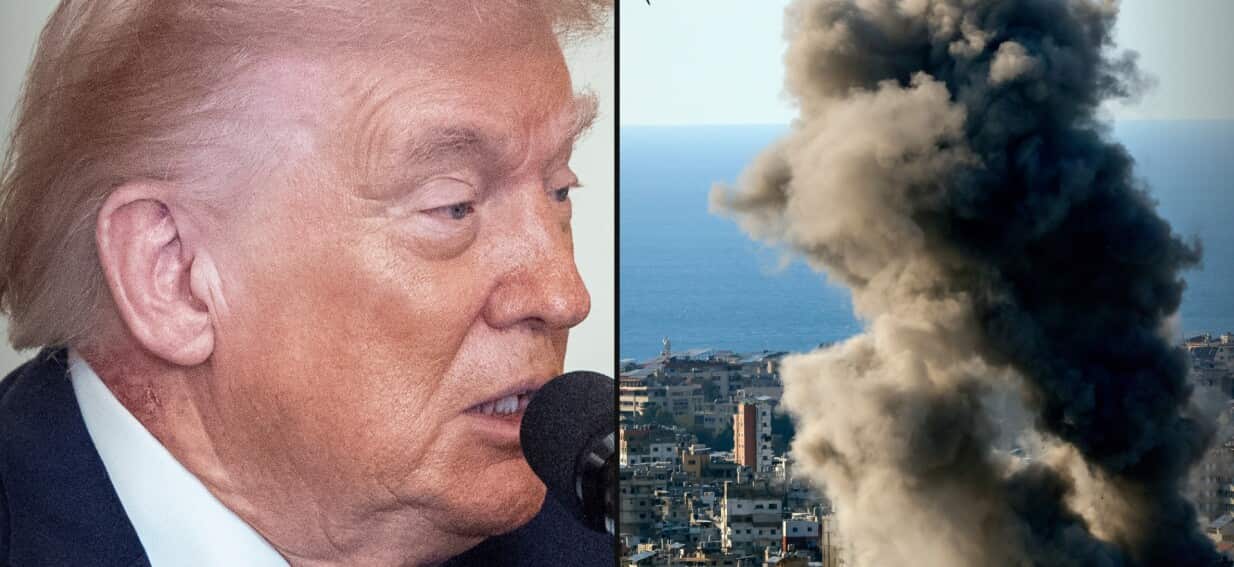
Overnight in Australia, tensions have escalated as the conflict involving the US and Israel against Iran continues to expand, showing no signs of abating. In a recent development, Israel launched attacks on Lebanon in retaliation to Hezbollah’s strikes, while Tehran persists with its missile and drone offensives targeting Gulf states. In the midst of this turmoil, US President Donald Trump addressed the nation from the White House for the first time since the weekend flare-up.
Here are the most recent updates:
- Israel and Hezbollah have intensified cross-border attacks, with the Lebanese armed movement firing missiles and drones at Israel, and Israel responding with major airstrikes on Hezbollah targets in Beirut, which Lebanon’s state news agency NNA said killed at least 31 people and left 149 injured
- Israel has declared Hezbollah leader Naim Qassem a “target for elimination”. Now, Lebanon’s government has taken the unprecedented step of banning Hezbollah’s military and security activity, a decision Hezbollah has condemned
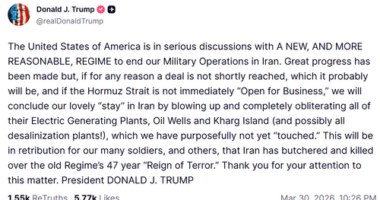
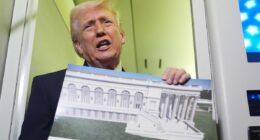
- In his first White House speech since the war began, President Donald Trump has said the US campaign has the “capability to go far longer” than the originally-projected four weeks. He also said he would not rule out sending ground troops into Iran. US Joint Chiefs of Staff General Dan Caine says more US forces are on their way to the region
- European allies, which distanced themselves from Trump’s initial decision to go to war, have since said they could help suppress Iran’s ability to retaliate
- A senior Iranian security official says Iran will continue to defend itself against aggressors. Iran’s conservative clerical leaders have shown no sign of yielding power following the death of Supreme Leader Ayatollah Ali Khamenei. Military experts say US and Israeli air power, with no armed force on the ground, may not be enough to drive them out
- Iranian Red Crescent says 555 people have been killed in Iran since the strikes began. As bombing continues, residents are flooding highways to escape, gripped by uncertainty and a mix of emotions — from brief euphoria to fear and anger — about what lies ahead
- Qatar, one of the world’s biggest exporters of liquefied natural gas, has halted production, with no prospect of being able to ship safely through the chokepoint of the Strait of Hormuz. Saudi Arabia has also shut its biggest refinery after drone strikes caused a fire there, one of a number of energy installations that became targets. There are fears oil prices will continue to surge
- Major Middle East airport hubs remain closed, leaving more than 100,000 Australians unable to leave the region and facing potentially weeks of uncertainty
- Foreign Minister Penny Wong has said Australia is unlikely to send military support to the Middle East
We will continue to provide ongoing coverage and the latest information as the situation unfolds throughout the day.
— Compiled by Caroline Riches in collaboration with Reuters, Agence France Presse, and Australian Associated Press