
Share this @internewscast.com
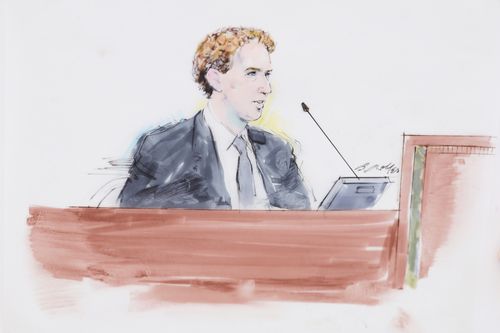
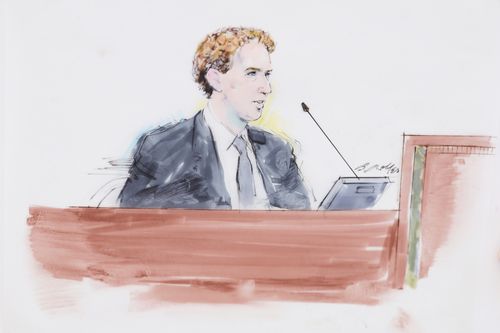
Mark Zuckerberg faced a rigorous examination in a Los Angeles courtroom, engaging with opposing legal counsel about Instagram’s impact on young users, his previous congressional appearances, and advice he’s received on maintaining authenticity over appearing robotic.
The Meta CEO’s appearance is a focal point of a landmark trial scrutinizing whether the company’s platforms intentionally addict and harm children.
By Wednesday afternoon, Zuckerberg had not addressed the trial’s pivotal issue: the alleged addictive nature of Instagram. The plaintiff’s attorney, Mark Lanier, pressed him on whether people are inclined to use something more if it is addictive.
Lanier probed into Zuckerberg’s earlier congressional testimony, where he asserted that Instagram employees were not tasked with increasing the time users spent on the app.
The attorney introduced internal documents that appeared to challenge this claim.
In response, Zuckerberg acknowledged that there were once goals related to user time on the platform but explained that both he and the company have since shifted focus. They now prioritize utility, based on the premise that if a platform is valuable, users will naturally engage with it more due to its usefulness.
Lanier also asked Zuckerberg about what he characterised as extensive media training, including for testimonies like the one he was giving in court.
Lanier pointed to an internal document about feedback on Zuckerberg’s tone of voice on his own social media, imploring him to come off as “authentic, direct, human, insightful and real,” and instructing him to “not try hard, fake, robotic, corporate or cheesy” in his communication.
Zuckerberg pushed back against the idea that he’s been coached on how to respond to questions or present himself, saying those offering the advice were “just giving feedback.”
Regarding his media appearances and public speaking, Zuckerberg said, “I think I’m actually well known to be sort of bad at this.”
The case, along with two others, has been selected as a bellweather trial, meaning its outcome could impact how thousands of similar lawsuits against social media companies are likely to play out.
A Meta spokesperson said the company strongly disagrees with the allegations in the lawsuit and said they are “confident the evidence will show our longstanding commitment to supporting young people.”
NEVER MISS A STORY: Get your breaking news and exclusive stories first by following us across all platforms.