Share this @internewscast.com
In brief
- While rental property vacancy rates have slowly improved since post-COVID pandemic lows, competition remains strong.
- Tight rental market conditions mean rental costs will continue to grow in 2026.
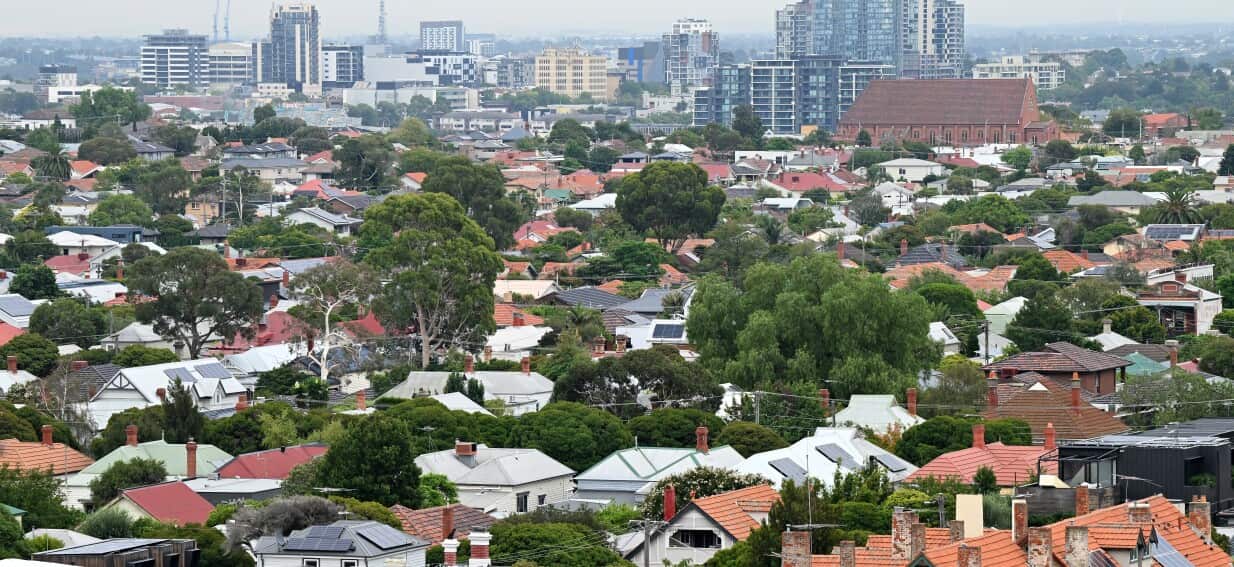
Australian renters remain in a tough spot, struggling to secure homes even as vacancy rates show a slight recovery from their post-pandemic slump.
The availability of rental properties in both major cities and regional areas across Australia stays under 2 percent. Consequently, the competition for securing rentals is expected to remain fierce, according to a recent report.
Despite the possibility of higher interest rates dampening investor enthusiasm in 2026, the tight conditions in the rental market suggest that rental prices will continue to climb, as indicated by the PropTrack Westpac Investor Report for 2026.
In recent years, property investors have been particularly active, with new investor loans surging by 64 percent from their lowest point in 2023, noted Angus Moore, a senior economist at REA Group.
“Additionally, home values have been on the rise, which means the proportion of profitable investor sales has reached its peak in at least ten years,” he commented on Thursday.
In the final months of 2025, only seven out of every 100 investor sales resulted in a loss, marking the highest profitability level seen in more than a decade.
Home price growth in Brisbane, Adelaide and Perth has been exceptional, with prices in these cities more than doubling since 2020.
Melbourne has recorded the slowest increase, with home prices up just over 20 per cent in six years, although investor inquiries about property in the southern capital were rising again.
Investors were particularly active in NSW, accounting for 44 per cent of home loans, up from 37 per cent in 2022 and 29 per cent in late 2020.
In Western Australia, South Australia, and Queensland, investors made up 40 per cent or more of total lending.
It was likely to be a challenging year for Australia’s housing market, with higher interest rates capping property price growth, and the war in the Middle East adding an extra layer of uncertainty, Westpac chief economist Luci Ellis said.
“For RBA policy, this makes it difficult to judge how upside risks to inflation compare to downside risks to growth,” Ellis said.
“For housing, though, the already very stretched starting point for prices means higher interest rates will weigh on affordability and buyer sentiment.
“We expect price growth to cool in 2026 to a more sedate five per cent gain nationally, down from eight per cent in 2025, and with a more pronounced slowing in the ‘hot’ markets of Brisbane and Perth.”
For the latest from SBS News, download our app and subscribe to our newsletter.