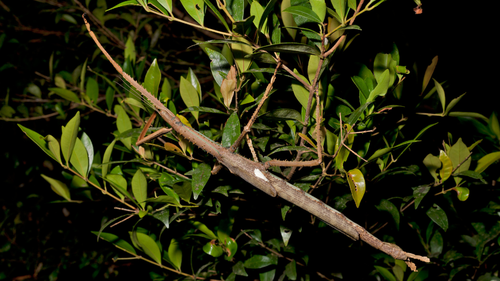

A researcher has revealed how scientists made the discovery of a lifetime after identifying a new species of giant stick insect.
The new species of stick insect called Acrophylla Alta measures in at 40cm long and weighs about the same as a golf ball, at 44 grams.
James Cook University researcher Professor Angus Emmott played a key role in identifying the species, explaining that its previous elusiveness is due to its challenging habitat access.
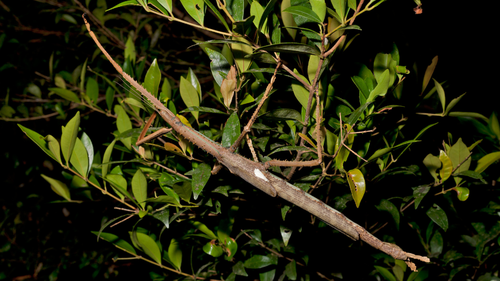
“Being a very large insect, you would think it’s very, very obvious (to spot),” Emmott said.
“It lives in the southern part of the Atherton Tablelands, which is high-altitude rainforest.
“This species resides at elevations around 1000 meters and above. The main reason it’s rarely observed is because it lives high up in the canopy, typically between 20 to 40 meters,” he noted.
“Unless you actually get a cyclone or a storm or a bird hits one, you don’t see them down on the ground; people just don’t get to see them.”
Emmot said researchers were “very excited” when they realised what they had found. 
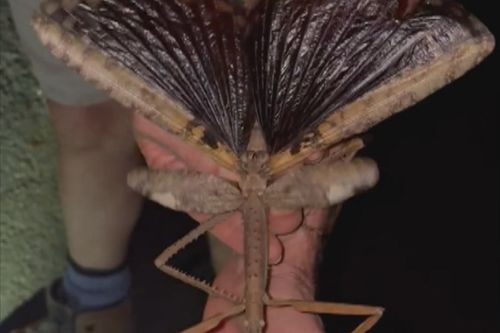
The professor explained how scientists were able to identify the massive insect as a new species.
“You’ve got to look very closely; a lot of stick insects look fairly similar,” Emmot said.
“Right at the back of its body, it’s got two little clasper-type things that you call cerci, and they’re quite distinctive
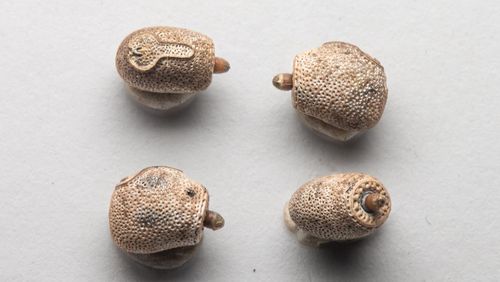
“Another significant aid in identification is the eggs. Each stick insect species has uniquely different eggs, and when compared side by side, the differences become very apparent.”
“We got this one and he laid some eggs, we compared them, and it was very obvious that she was different apart from the other morphological.
“We were pretty excited, we found this great big stick insect that’s been hiding in plain sight.”
Scientists think the insect’s habitat could be the reason for its massive size.
“It’s a cool, wet environment where they live,” he said.
“Their body mass likely helps them survive the colder conditions, and that’s why they’ve developed into this large insect over millions of years.”