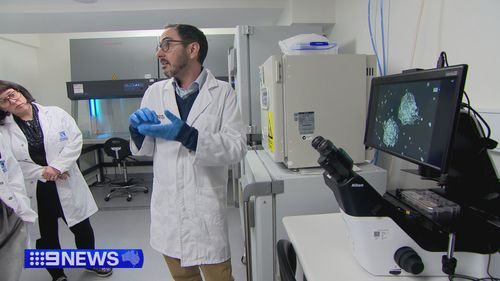

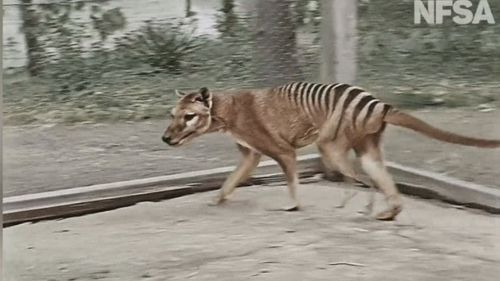
The extinct Tasmanian tiger could be back running in the wild in as little as eight years, if a US-backed research project goes to plan.
In collaboration with the University of Melbourne, scientists have already successfully mapped the DNA of the Tasmanian tiger (thylacine).
They hope to alter the DNA of its nearest relative in a marsupial mouse called a dunnart, to bring the iconic Aussie animal back to life.
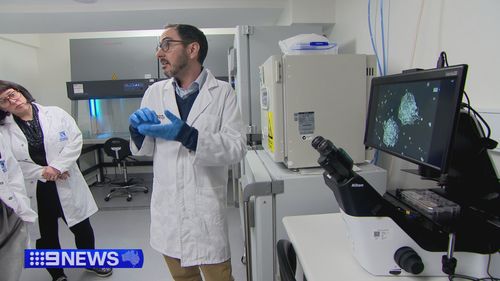
“Our team has successfully mapped out the entire genetic code of the thylacine, also known as the Tasmanian tiger,” stated lead researcher, Professor Andrew Pask.
“We’ve created the initial essential stem cells required for undertaking the comprehensive genetic engineering necessary to bring back the thylacine.”
During the research process, scientists have developed new technologies that are now being used.
“All the technologies we are developing and require for this project can be immediately applied to the conservation efforts for marsupials today,” Pask explained.
The project is backed by US biotech company Colossal Biosciences, whose researchers are working with 60 scientists in Australia to make the mission a reality.
Industry leaders who are on the Tasmanian Thylacine Advisory Committee toured the labs today to help set the agenda for the possibility of welcoming the marsupial back to its native habitat for the first time since 1936.
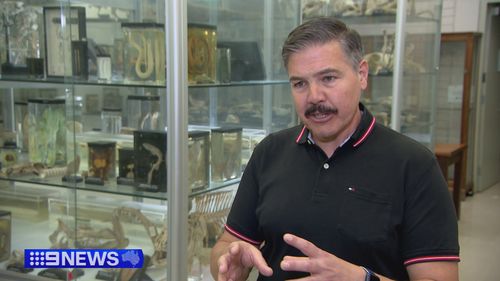
“The thylacine is not just an animal where I come from, it’s part of the identity of the people that live there,” committee chair and Derwent Valley Mayor Michelle Dracoulis said.
“You still see the imprint of it everywhere. It’s still used broadly in marketing and media … so to actually be here and see that work occurring on the ground is it’s extraordinary.
“It’s actually quite emotional thinking that we’re that close.”


