In Brief:
- The man was arrested following an Australian Federal Police examination of his electronic devices.
- The 25-year-old from Adelaide could face up to 20 years in jail if found guilty.
An Australian Army reservist finds himself in legal trouble after allegedly serving as a drone operator for Ukraine amidst its conflict with Russia. This case marks a notable application of the country’s anti-foreign fighter legislation.
The individual, a 25-year-old from Felixstow, located in the eastern part of Adelaide, is facing charges from the Australian Federal Police (AFP) for participating in foreign military activities without proper authorization.
This incident is unprecedented, as it is the first time such charges have been brought against someone under these laws. If convicted, the man could face up to two decades behind bars.
Australia has strict regulations that restrict its defense personnel from engaging with foreign militaries, governments, or companies unless they have received official permission.
The accused reportedly made his way to Ukraine in May 2025 and returned to his home country by January 2026.
In a recent operation, AFP officers conducted a search of a relevant property on Thursday, confiscating electronic devices such as a mobile phone and a laptop for further investigation.
Forensic examination of the devices allegedly revealed images showing the man participating in a foreign conflict.
The man is due to face Adelaide Magistrates Court on Tuesday on one count of a restricted individual working for a foreign military organisation or government body.
The maximum penalty for the offence is 20 years’ jail.
AFP counter terrorism commander Paula Hudson said the agency worked closely with its local, Commonwealth and international partners to protect Australia’s interests.
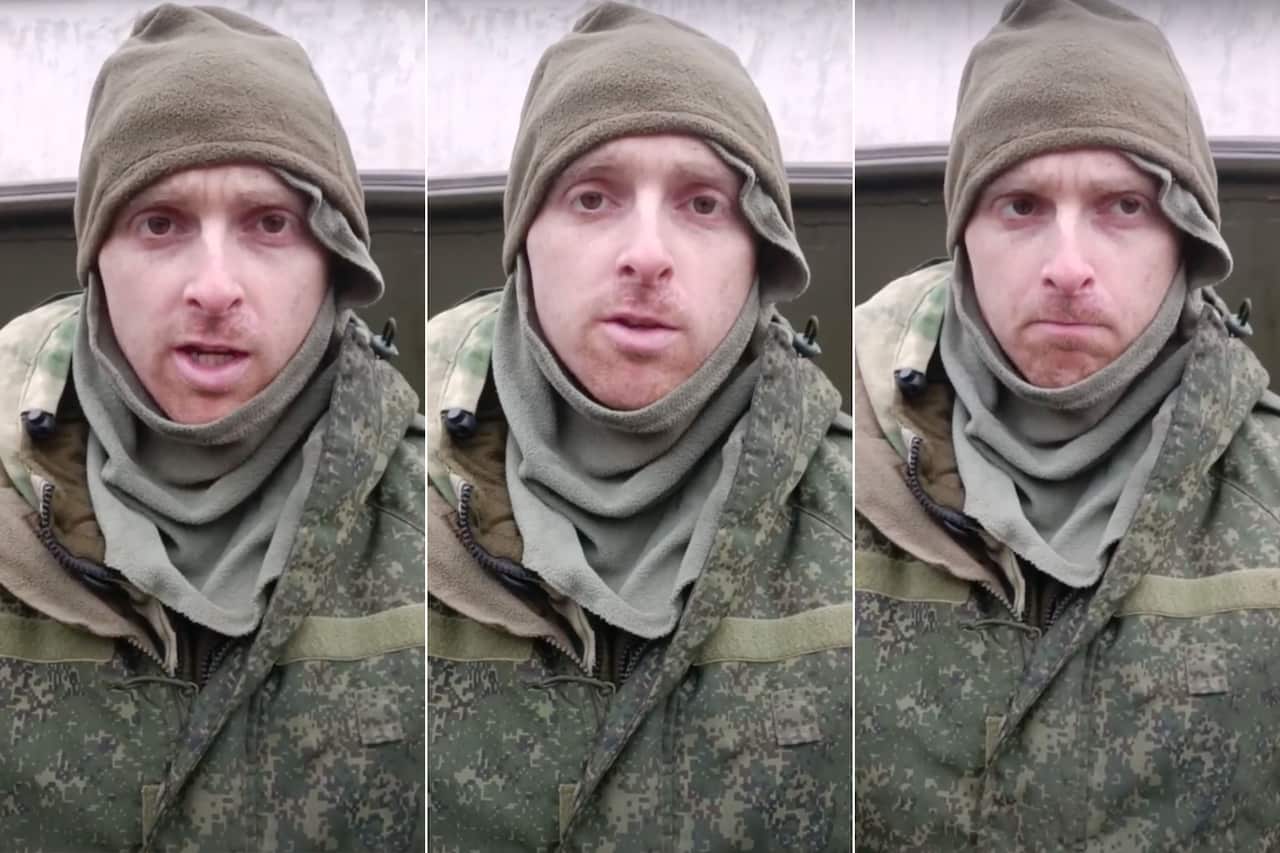
In May 2025, Melbourne man Oscar Jenkins was convicted by a Russian court after allegedly joining the fight in Ukraine.
Jenkins was captured in occupied eastern Ukraine and taken into Russian custody in December 2024, and is believed to be the first Australian combatant reportedly captured by Russian forces.
At the time, the Australian government insisted Jenkins was fighting as a member of the Ukrainian defence forces and should be entitled to humane treatment as a prisoner of war. Russia has described him as a mercenary.
For the latest from SBS News, download our app and subscribe to our newsletter.