Share this @internewscast.com
When the incident occurred, the boy’s friends immediately leaped into the water to rescue him, but despite their quick actions, Nico sustained severe leg injuries and was rushed to the hospital in critical condition.

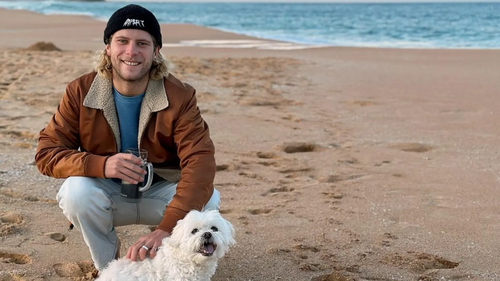
In a heartfelt statement, Nico’s parents, Lorena and Juan, expressed their deep sorrow, announcing the tragic news that their beloved son has passed away.
“Nico was a joyful, sociable, and athletic young boy, known for his incredibly kind and generous nature,” they shared.
“His zest for life was infectious, and that is how we will forever remember him,” they added.
The family extended their gratitude to the first responders and the dedicated staff at Sydney Children’s Hospital, Randwick, acknowledging their efforts in caring for Nico.
They also expressed appreciation for the outpouring of support and kind words from the community during this difficult time.
“We ask you please respect our privacy during this exceptionally difficult time.”
String of shark attacks 
Nico, a junior lifesaver, was the first of four shark attack victims in 48 hours on NSW beaches this week after a weekend of wild weather.
He was pulled to shore by fellow surfers and remains in a critical condition, with part of his lower right leg amputated.
Hours early at nearby Dee Why Beach on the northern beaches an 11-year-old surfer had his board bitten by a shark.
The whole stretch of beaches were closed on Monday.
The next day Paul Zvirzdinas was surfing at Point Plomer, north of Port Macquarie on the NSW mid north coast, when a shark took a bite out of his board and wetsuit at about 10am.
“Just paddle as hard as you can,” he said he recalled thinking.
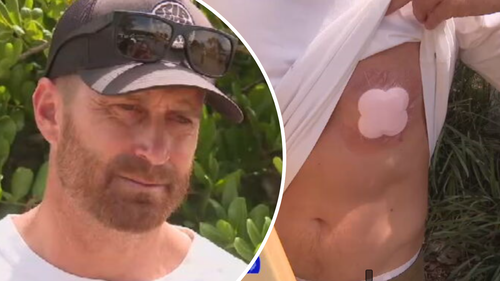
He only suffered minor injuries and has since been discharged from hospital.
Heavy rain means more fresh water than usual is running through rivers and estuaries into saltwater systems and beaches, creating brackish water.
“Bull sharks are also one of the few species of sharks and rays that can tolerate brackish and even freshwater for extended periods,” Professor Jodie Rummer from James Cook University said.
“Which means they are especially comfortable moving in and out of river mouths and turbid coastal waters after heavy rain.”