
Share this @internewscast.com
“With deep sorrow, we announce that Bob passed away on Friday night,” the family expressed in a heartfelt statement.
“The family kindly requests that their privacy be honored during this time.”
In what may be the report’s most striking language, Mueller stated, “If after a comprehensive investigation we had confidence that the president clearly did not obstruct justice, we would have said so. However, based on the facts and legal standards, we cannot make that judgment.”
This ambiguous conclusion did not deliver the definitive blow to the administration that some of Trump’s critics anticipated. Nor did it ignite a lasting movement among House Democrats to pursue impeachment, although he was later impeached and acquitted on unrelated charges involving Ukraine.
This outcome also provided an opportunity for Attorney General William Barr to present his own perspectives.
Barr and his team concluded that Trump did not obstruct justice, leading to a private disagreement between him and Mueller over a four-page summary letter. Mueller felt that Barr’s summary did not sufficiently convey the damaging essence of his report.
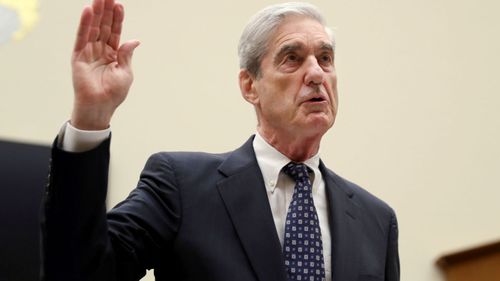
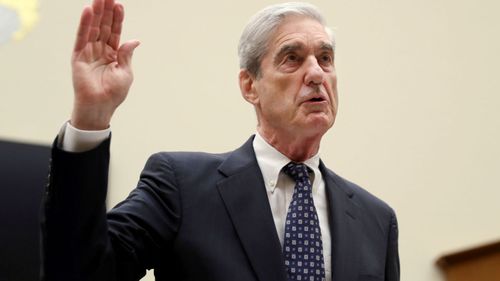
Mueller deflated Democrats during a highly anticipated congressional hearing on his report when he offered terse, one-word answers and appeared uncertain in his testimony.
Frequently, he seemed to waver on details of his investigation.
It was hardly the commanding performance many had expected from Mueller, who had a towering reputation in Washington.
Over the next months, Barr made clear his own disagreements with the foundations of the Russia investigation, moving to dismiss a false-statements prosecution that Mueller had brought against former national security adviser Michael Flynn, even though that investigation ended in a guilty plea.
NEVER MISS A STORY: Get your breaking news and exclusive stories first by following us across all platforms.