
Share this @internewscast.com
As Australia grapples with escalating fuel prices due to the Middle Eastern conflict, a significant number of citizens are advocating for mandatory remote work. Thousands are rallying for the right to work from home amidst these economic pressures.
According to an eye-opening report from Green.com.au, a striking 82% of full-time employees are calling for employers to implement work-from-home options wherever feasible. This demand highlights a growing preference for flexible working conditions.
In response to the situation, Prime Minister Anthony Albanese is taking swift action to address the crisis. He has initiated an emergency fuel supply task force, led by Anthea Harris, the former head of the Australian Energy Regulator, to navigate the unfolding challenges.
“Our fuel supply remains stable, but I believe in being overly prepared,” Albanese stated, emphasizing the importance of readiness in these uncertain times.
The Prime Minister also noted that panic buying has led to temporary fuel shortages at some service stations, although the supply chain remains intact.
“Every scheduled shipment has arrived as planned,” he reassured, clarifying that the issue is driven by a surge in demand rather than a disruption in supply.
Albanese said local shortages were still possible even when national supply levels remained stable.
‘Both things can be true. The expected amount of fuel can be in the country, but if demand doubles, or in some areas increases even more, shortages can still occur locally,’ he said.

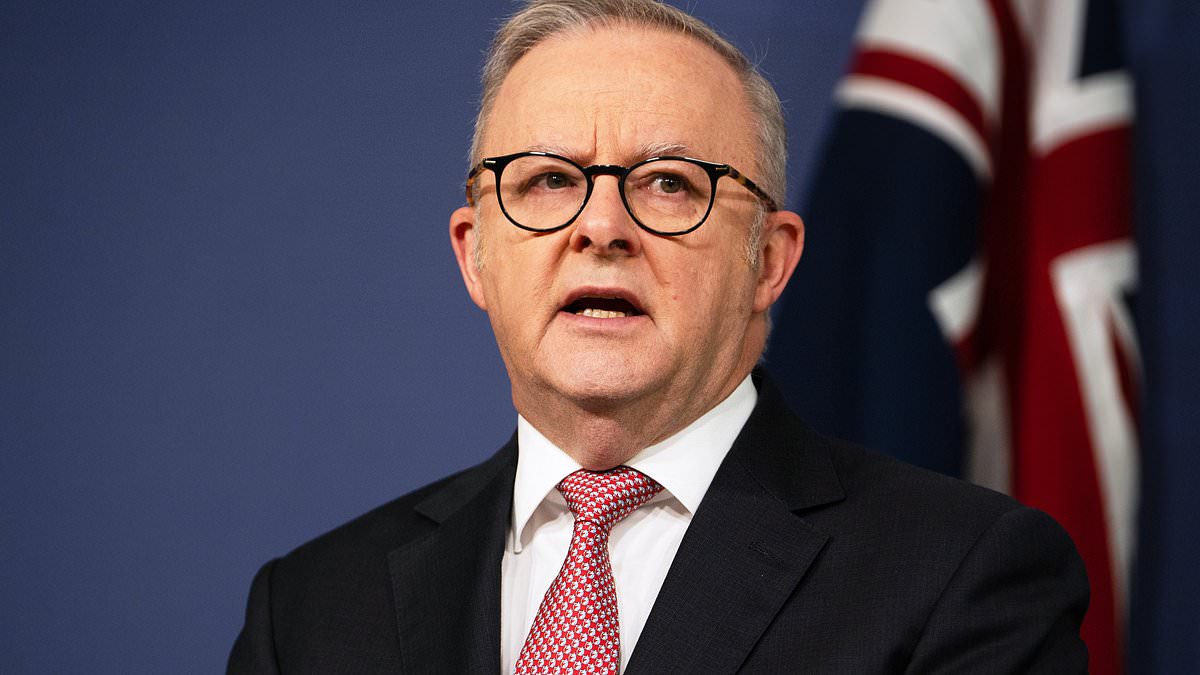
Prime Minister Anthony Albanese (pictured) has established an emergency fuel supply taskforce
According to the NSW Government’s FuelCheck website, fuel prices have surged 39 per cent in just the past month.
With commuters paying the price, mandated work-from-home rights are emerging as a potential pressure valve to slash daily fuel costs for workers, many already struggling with the cost of living and rapid interest-rate rises by the Reserve Bank.
Primara Research director Peter Drennan said Mr Albanese had confirmed last year that people working from home saved an average of $5,000 a year, with a substantial portion of that coming from reduced commuting costs.
‘For workers driving to offices when they don’t have to, that could mean thousands of dollars in additional costs hitting their budgets.
‘If the government recognises this as a demand problem, mandating work-from-home rights where feasible offers an immediate way to reduce that demand.’
Mr Drennan said a work-from-home mandate could offer a dual solution.
‘People want to ease their own cost pressures, but eliminating unnecessary commutes also frees up fuel for essential services such as grocery transport, strengthening food security,’ he said.
Sri Lanka has ordered a nationwide four-day working week, giving public sector staff every Wednesday off as the country scrambles to conserve fuel amid fears of looming shortages.

Mandated work‑from‑home rights are emerging as a immediate pressure valve to slash daily fuel costs for workers
Nearly 90 per cent of the oil and gas shipped through the Strait of Hormuz last year was destined for Asia, the world’s biggest importing region, leaving countries heavily reliant on the route struggling to cope.
Across the region, authorities have imposed a string of austerity-style measures to curb demand.
Thailand is urging workers to ditch formal office wear for lighter clothing to reduce air-conditioning use, while Myanmar has restricted private vehicles to operating on alternate days depending on their licence plate numbers.
Bangladesh has brought forward Ramadan holidays for universities and introduced rolling blackouts to conserve energy, while in the Philippines some government staff must now work from home at least once a week.
Vietnam, meanwhile, is urging people to stay home where possible, cycle, car-share and use public transport instead of private vehicles.
Closer to home, the Victorian Greens on Thursday called on the Allan Government to make public transport in Melbourne free for the next month to provide immediate relief from cost-of-living pressures as petrol prices soar.
Leader Ellen Sandell said many people were feeling the pain.
‘Free public transport would provide huge relief to families, young people and renters who are already being totally smashed by rising costs,’ she said.
‘For workers driving to offices when they don’t have to, that’s potentially thousands of dollars in added costs hitting their budget.
‘If the government recognises this as a demand problem, mandating work-from-home rights where feasible offers an immediate way to reduce that demand.’
Mr Drennan said a WFH mandate offered a dual solution.
‘People want to ease their own cost pressures, but eliminating unnecessary commutes also frees up fuel for essential services like grocery transport, adding to our food security,’ he said.