Share this @internewscast.com
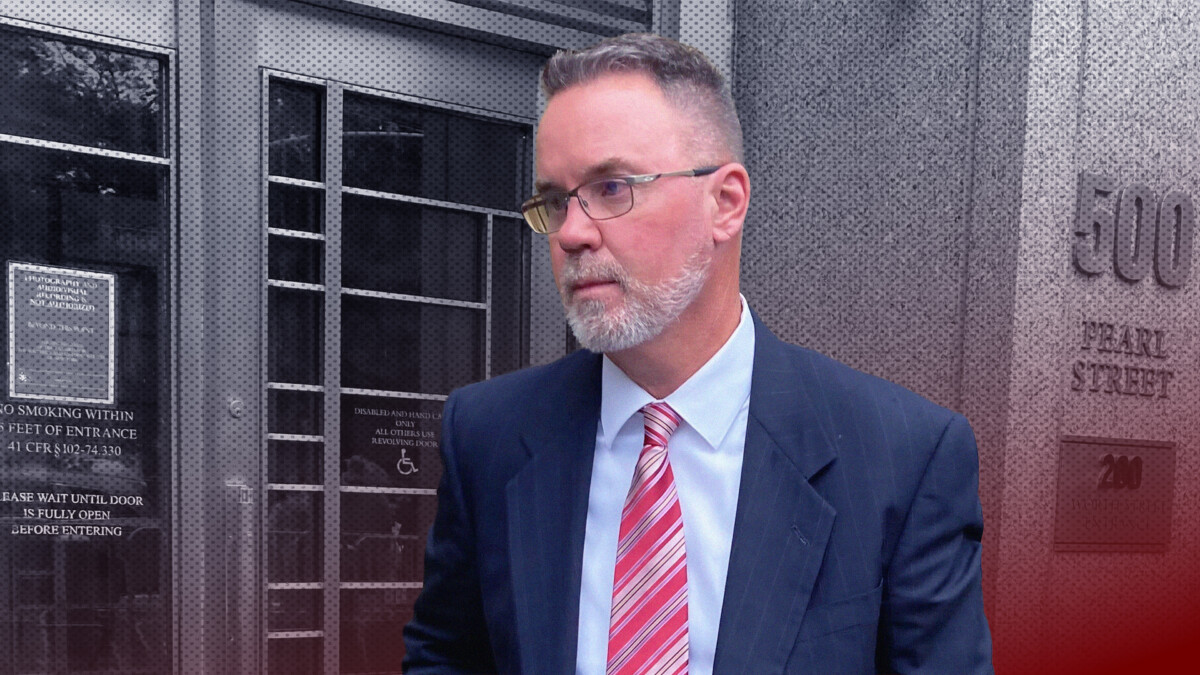
Timothy Shea remains the only defendant still incarcerated in the “We Build the Wall” federal case after a trial marred by allegations of judicial and prosecutorial misconduct.
Among the quartet of men facing federal indictment, Timothy Shea stands alone in serving a prison sentence. On August 20, 2020, Shea was charged alongside Steve Bannon and two others. Unlike Bannon, who was pardoned by the then-president, Shea opted to contest the allegations in court.
This article delves into the intricacies of Timothy Shea’s legal saga, from his indictment and subsequent trials to the resulting sentence that has kept him incarcerated for over 27 months. We’ll explore the pivotal developments in this case, from the initial accusations to the contentious conviction and the ongoing efforts to secure his release.

The Indictment and the Charges
Shea was charged in the Southern District of New York for his involvement with the “We Build the Wall” crowdfunding initiative. According to the indictment, campaign funds were allegedly misappropriated for personal use, a claim Shea vigorously contested during his trial.
The case was brought to court in New York, despite the campaign’s operations primarily taking place in Florida, Arizona, and along the border. This decision sparked debate over potential political bias, given the Southern District of New York’s reputation for pursuing cases linked to President Trump and his associates aggressively.
The Trials and the Contested Conviction
Shea’s legal ordeal featured two trials; the first ended in a mistrial. The jury in the initial trial was unable to reach a unanimous decision, resulting in a deadlock. This led Judge Analisa Torres, appointed during the Obama administration, to call for a retrial.

The second trial culminated in a conviction, but this outcome was swiftly challenged due to accusations of jury tampering and prosecutorial misconduct. The shift from a hung jury to a rapid conviction in the second trial forms the crux of Shea’s appeal and energizes his family’s campaign for his release.
The Sentence and Current Status
Timothy Shea received a 63-month sentence in federal prison, a sentence his family and legal advocates argue is disproportionately harsh. According to government sentencing memos, Shea was considered the “least culpable” of the defendants. Despite this, his 63-month sentence is significantly longer than the 20-28 month federal guidelines for similar first-time, non-violent offenses.
He has currently served over 27 months and has been denied compassionate release. Shea remains the only person imprisoned in this case, having missed three Christmases with his family, which includes teenage children.
The Path Forward
Timothy Shea’s journey through the federal legal system has been defined by a contested conviction and a sentence that appears to be an outlier when compared to his co-defendants and federal guidelines. The basic facts of the case—a politically charged venue, a mistrial followed by a conviction, and a severe sentence—raise fundamental questions about the fairness of the process.
Shea’s family, led by his son Jett, continues to advocate for a presidential pardon to address what they see as a miscarriage of justice and to bring him home.