
UK borrowing costs surged close to 27-year highs yesterday amid claims that Britain is ‘drifting without an anchor’ and facing a ‘moron premium’.
The recent downturn in government bonds, referred to as gilts, has added new challenges for Rachel Reeves in light of the upcoming Budget. This follows warnings she might need an IMF bailout similar to one in the 1970s.
This situation saw the yields on 30-year gilts climb above 5.6 percent, nearing a high last reached in April, which marked the highest level since 1998.
And the gloom spread to the stock market as Deutsche Bank experts sounded the alarm over rising unemployment and consumer caution.
Shadow Chancellor Mel Stride said of the gilts sell-off: ‘This is what happens when you spend and borrow like there’s no tomorrow.’
According to Simon French, chief economist at Panmure Liberum, a ‘moron premium’ on borrowing, initially coined in response to the bond market’s reaction to Liz Truss’s disastrous 2022 mini-Budget, has resurfaced since Ms. Reeves’ Spring Statement.
‘Bond market pricing suggests UK fiscal policy is drifting without an anchor,’ Mr French said.
The gilt moves yesterday partly reflected wider global bond market jitters.
Adding to the concerns is Labour’s reported choice of left-wing pensions minister Torsten Bell to assist in crafting the Budget, which received a lukewarm response.

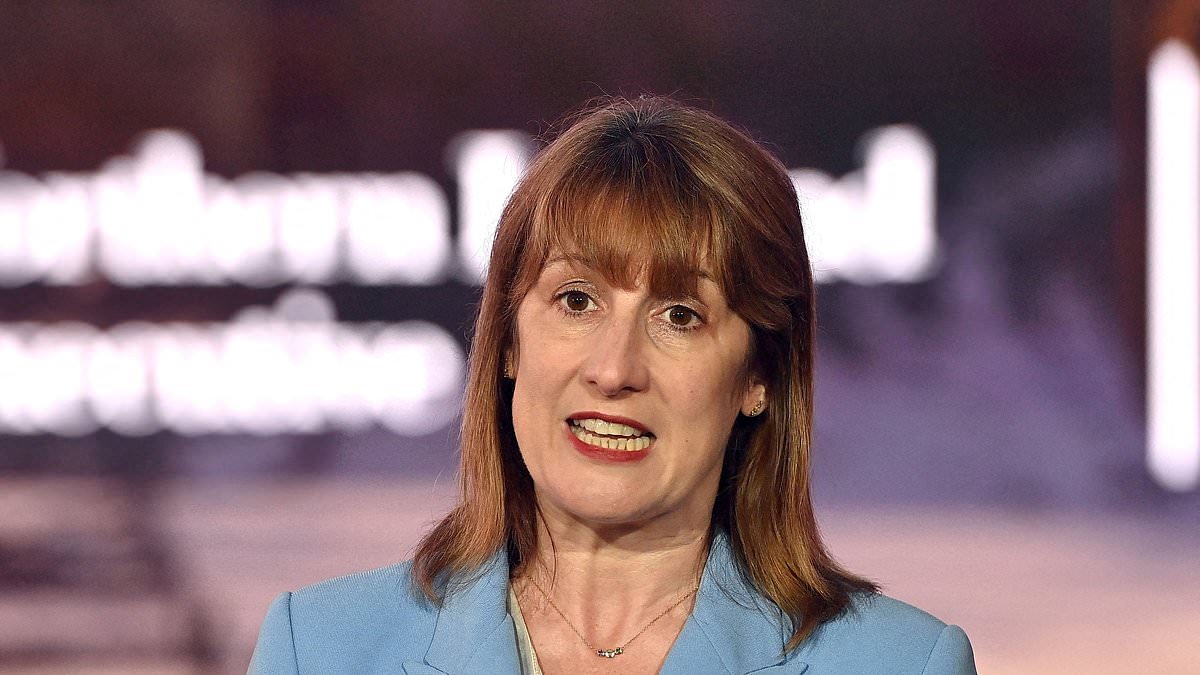
Chancellor Rachel Reeves

How Britain’s gilt yields have soared – raising the country’s borrowing costs
Julian Jessop, an economics fellow at the Institute of Economic Affairs, a free market think-tank, remarked that markets were ‘not thrilled’ about Mr. Bell’s increased influence, likely due to fears this could reduce the chances of implementing spending cuts.
The Chancellor relies on investors who buy gilts to fund Britain’s borrowing; however, these investors are now concerned about her capacity to balance the budget, amidst predictions of a potential financial gap of up to £50 billion.
And on Friday, ratings agency Fitch sounded the alarm over the success of Labour backbenchers recently in derailing welfare reforms and winter fuel payment cuts – which it said had increased the risks of her failing to make the sums add up.
Leading economists warned over the weekend that Ms Reeves could be on course to follow in the footsteps of a previous Labour Chancellor, Denis Healey, who was forced to go cap in hand to the International Monetary Fund in 1976.
Ms Reeves looks increasingly likely to respond to the pressure by staging a mammoth tax raid.
Speculation suggests the Chancellor could target pensions, property sales, or inheritance tax – or hike taxes for hard-working families by stealth by freezing income tax thresholds.
But critics say that risks doing even more damage and that Labour must instead make cuts.
Tory business spokesman Andrew Griffith said the latest increase in gilt yields showed that ‘Labour’s reckless spending is hammering taxpayers’.
He added: ‘Every time this rate goes up, it’s an even heavier burden on the shoulders of the next generation. We’ve got a huge problem on our hands, and cutting spending is the only way to solve it.’
The fear is that further tax hikes could add to the damage already done by the Chancellor in her previous Budget, when she announced a £25 billion raid on employer national insurance.
That has made it more expensive for employers to hire – especially affecting low-paid or part-time staff – and been blamed for a rise in unemployment.
Yesterday, analysts at Deutsche Bank said the stage was set for what had been a brighter period for the jobs market to come to an end.
‘The end of 2024 and early 2025 are likely to have been a sweet spot with real wage growth set to slow and fear of unemployment set to build from here,’ they said.
Deutsche’s experts said that consumer confidence appeared to ‘remain subdued’ and that according to its ‘fear index’ of economic indicators ‘things may be getting worse’.
That helped send UK retail shares sliding, with Primark owner Associated British Foods down 4 per cent, B&Q owner Kingfisher off by 4.3 per cent and Wickes by 8.6 per cent.
The FTSE 100 index of leading stocks retreated from a record closing high seen last week, falling by 55.6 points or 0.6 per cent.