
Share this @internewscast.com
A new policy prohibiting asylum seekers from using taxis for medical appointments has been implemented, following revelations of substantial expenses incurred by such journeys. Reports uncovered instances where migrants traveled vast distances at the expense of taxpayers.
One notable case involved an asylum seeker who charged the Home Office £600 for a 250-mile trip to visit a GP for a knee check-up, as uncovered by a BBC investigation.
In response, the Home Secretary initiated an urgent review and has now confirmed that the practice has been abolished.
Under the revised guidelines, taxis may still be utilized in exceptional situations, such as for individuals with disabilities, serious illnesses, or during pregnancy. However, each taxi journey will now require prior approval from the Home Office.
The use of taxis for asylum seekers relocating between accommodations remains under review by the Home Office.
Home Secretary Shabana Mahmood expressed to the BBC, “I have put an end to the wasteful use of taxis for medical appointments to safeguard taxpayer funds.”
‘I will stop at nothing to remove the incentives that draw illegal migrants to Britian to restore order and control to our borders.’
One taxi driver told the BBC his firm would do around 15 daily drop-offs from a south-east London hotel to a doctor’s surgery around two miles away.

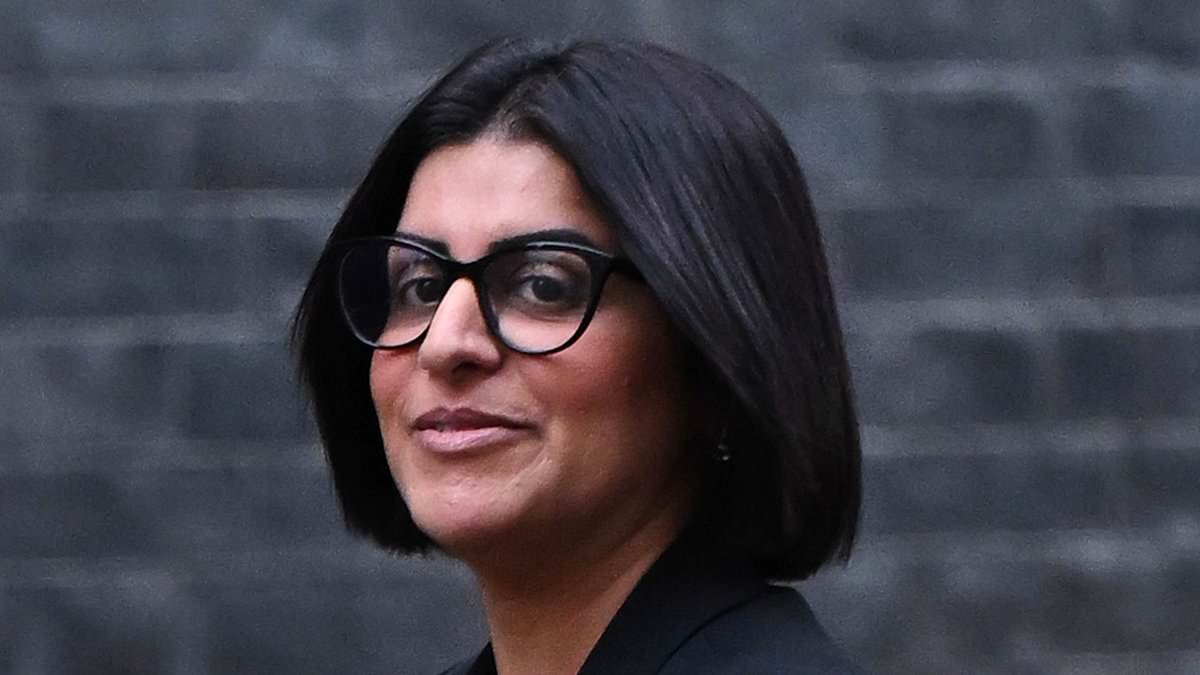
Home Secretary Shabana Mahmood has axed free taxi rides for asylum seekers visiting their GP

Ending the use of taxis is part of a move to cut a huge £15.8 million transport bill. File image

One asylum seeker billed the Home Office £600 for a 250-mile journey to see a GP for a check-up on his knee. Pictured: Migrants in the English Channel
He claimed that these journeys alone would cost the Home Office £1,000 a day.
Another taxi driver, named Steve, said that firms would purposely increase the mileage on trips by dispatching drivers from areas further away from the pick up.
He said that while working for a subcontractor, he was sent from Gatwick to Southampton ‘more than once’, driving more than an of 275 miles a day with half of his journey without a passenger in his car.
It comes after figures released in November show that an average of £15.8m had been spent in a year on taxis for asylum seekers.
A total of 41,472 migrants arrived in the UK in 2025 after crossing the English Channel, the second-highest annual figure on record, 9 per cent below the all-time high of 45,774 in 2022.
The total for 2025 was 13 per cent higher than the figure for 2024, when 36,816 migrants made the journey, and 41 per cent higher than 2023’s total of 29,437.
For much of 2025, the number of arrivals was running at the highest level since data on Channel crossings was first published in 2018.
But the pace slowed during the last two months of the year and there were long periods when no migrants arrived, including a 28-day run from November 15 to December 12.
The Government faced increasing pressure in 2025 to tackle the number of migrants making the hazardous journey across the Channel, having won the general election in July 2024 vowing to ‘smash the gangs’ of people-smugglers who organise crossings.
The UK’s Border Security Commander, Martin Hewitt, tasked with curbing Channel crossings, told MPs in October that the number of arrivals in 2025 is ‘frustrating’ but that work to stop the smuggling route was ‘always going to take time’.
Labour has introduced new laws in its bid to curtail small boat crossings, but time will tell whether they yield any results.
The Border Security, Asylum and Immigration Act became law in December, which introduces new criminal offences and allows law enforcement agencies to use counter terror-style powers to crack down on people-smuggling gangs.
In November, Home Secretary Shabana Mahmood also ‘the most significant changes to our asylum system in modern times’ with a raft of reforms that, she said, would deter people from coming to the UK and make it easier to deport them.
Under changes inspired by the Danish system, refugee status will become temporary with regular reviews every 30 months, and refugees will be forced to wait 20 years for permanent settlement in the UK, up from five years currently.
But the plans, which are yet to be introduced under legislation, sparked a backlash from a number of Labour MPs who saw the proposals as something akin to that mooted by Nigel Farage and Reform UK.
Meanwhile, Tory leader Kemi Badenoch said the measures did not go far enough, adding that leaving the ECHR was necessary to address the problem. The Tories have vowed to deport 150,000 people a year if they return to power.