
Share this @internewscast.com
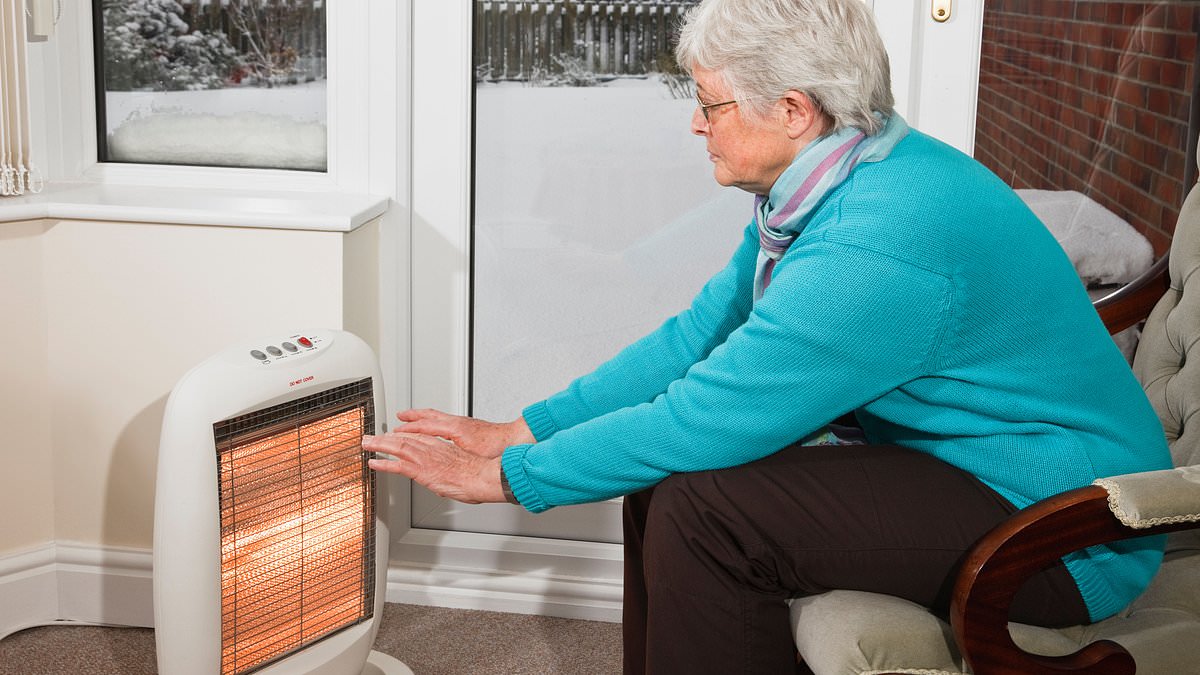
Ahead of a forecasted Arctic chill set to sweep through Britain, a council has recommended that seniors “wiggle their toes” to help maintain warmth. This advice comes from Durham County Council, which has shared tips for vulnerable elderly residents on its website as temperatures are expected to plummet to -8°C in the coming week.
The council, led by the Reform party, has also included other winter safety suggestions such as staying active, maintaining a nutritious diet, and dressing in multiple layers to combat the cold.
This guidance aligns with a cold weather alert issued by the UK Health Security Agency (UKHSA), which is in effect for all of England from 8 p.m. on Sunday, December 28, until midday on January 5. There is also a snow warning in place for Scotland.
Severe amber weather warnings have been declared for the North East and North West of England, specifically affecting regions like Northumberland, County Durham, Cumbria, Lancashire, and Cheshire.
Additionally, the Met Office has issued a snow warning for Scotland on January 1 and 2, predicting snow and ice conditions for areas including Central, Tayside, and Fife.
A snow warning has also been issued by the Met Office for Scotland across January 1 and 2, with snow and ice expected to affect Central, Tayside, and Fife.
Durham council’s advice to locals stated: ‘Keep moving, even if you’re sitting down. Just wiggling your fingers and toes will help you keep warm.
‘Try not to sit still for more than an hour or so indoors – get up and stretch your legs. Eat well – make sure you have hot meals and drinks regularly throughout the day to keep your body warm.’
It continued: ‘If you notice that an elderly or vulnerable neighbour has not been out for a few days or hasn’t opened their curtains, check in on them and see if they are okay.

The Met Office’s temperature predictions for New Year’s Eve, which predicts a cold snap this week following comparatively balmy conditions at the beginning of this month

Elderly people have been advised to ‘wiggle their fingers and toes’ to keep warm during a cold snap which could see temperatures plunge as low as -8C
‘Dress for the weather and wear several layers of loose-fitting clothing. Use a walking aid if it helps you stay steady and safe.’
Despite surprisingly balmy temperatures in the first two weeks of December this year, New Year’s Day and January are predicted to be much colder.
Met Office forecaster Dan Stroud said: ‘We’re losing this sort of settled but chilly conditions, and bringing in something a little bit more showery with more wintry hazards in the forecast, particularly for the north of the country.’
The UKHSA said the weather this week is ‘likely’ to cause significant impact across health and social care services, including a ‘rise in deaths’ among those with health conditions or aged 65 and over.
The agency said the UK may also see ‘impacts on younger people’, adding there will likely be an ‘increase in demand for health services’ across the regions.
Other impacts include ‘temperatures inside places like hospitals and care homes dropping below the levels recommended for assessing health risks’ and ‘challenges keeping indoor temperatures at the recommended 18C leading to more risk to vulnerable people’, the UKHSA said.
It also warned of staffing issues due to external factors such as travel delays, and said other sectors, such as transport and energy, could start to see the impacts.
The agency also issued a yellow cold health alert for the East Midlands, West Midlands, South East, South West, East of England, Yorkshire and the Humber, and London.
Temperatures are expected to fall to around 4-6C from New Year’s Day in areas where the yellow health alert is in place.
Dr Agostinho Sousa, head of extreme events and health protection at UKHSA, said: ‘As the colder weather sets in it is vital to check in on friends, family and neighbours that are most vulnerable.
‘The forecasted temperatures can have a serious impact on the health of some people, leading to increased risk of heart attacks, strokes and chest infections, particularly for individuals over the age of 65 and those with pre-existing health conditions.’