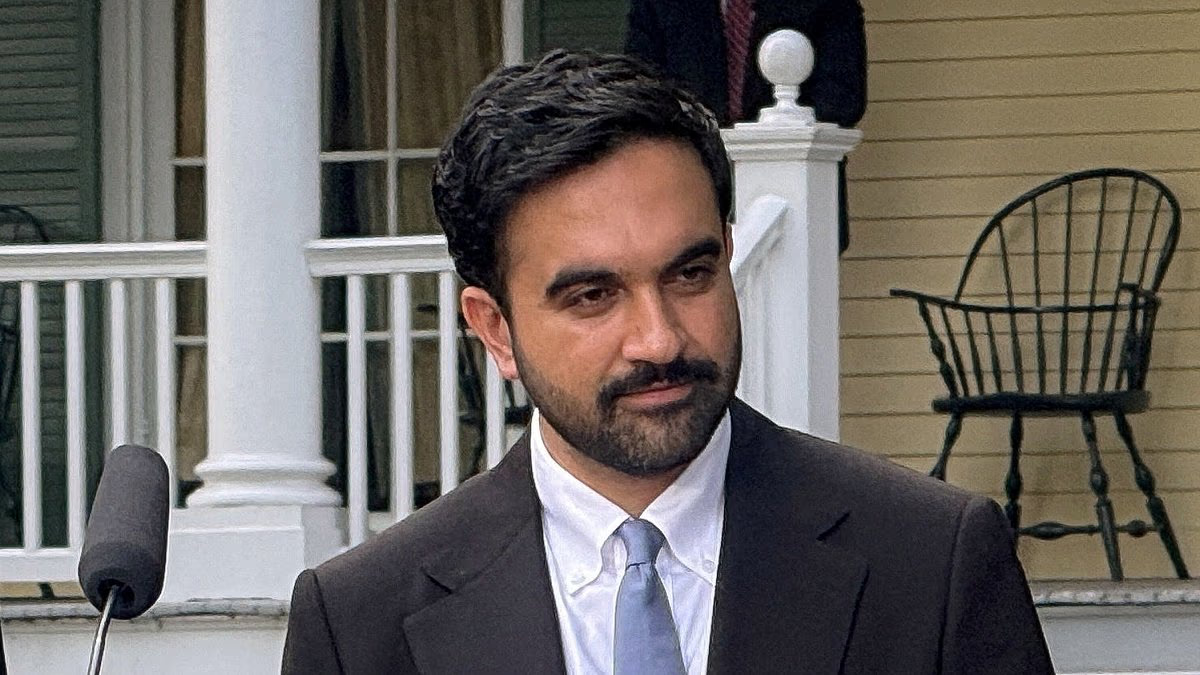

How Brian Wilson Handled Schizoaffective Disorder and Confronted Dementia: The legendary co-founder of the Beach Boys was renowned not only for his musical genius but also for his long-standing battle with mental illness. His journey, marked by resilience and vulnerability, provides a profound insight into the challenges faced by individuals with complex mental and cognitive health issues.

Brian Wilson Struggled With Schizoaffective Disorder
From a young age, Wilson experienced mental health challenges, later diagnosed as schizoaffective disorder—a condition featuring symptoms of both schizophrenia (such as hallucinations and delusions) and mood disorders like depression or mania. In a revealing 2006 interview, he talked about enduring “auditory hallucinations” for four decades, where voices would utter derogatory remarks, turning everyday life and stage performances into an ongoing struggle. This disorder significantly impacted his personal and professional life, often making it difficult for him to appear in public or even manage basic self-care. During the peak of his career in the 1970s, Wilson’s symptoms, together with substance abuse, resulted in periods of being bedridden and reclusive.
How Brian Wilson Managed His Mental Health Disorder
Managing schizoaffective disorder was a lifelong challenge for Wilson. He sought treatment in his forties, which helped make his symptoms more manageable. His journey included therapy, medication, and support from close family members. Significantly, his late wife, Melinda Ledbetter Wilson, was instrumental in his recovery and stability, helping him break away from the control of a controversial therapist who had an undue influence over his life. Wilson candidly discussed his struggles, explaining that he had to actively resist the voices in his head, especially during performances. He also highlighted the risks of substance abuse, cautioning others against using drugs that worsened his mental health struggles. Despite these challenges, Wilson continued to make music and perform, showcasing resilience and a profound passion for his craft.
Brian Wilson Was Later Diagnosed With Dementia
In his later years, Wilson faced a new and daunting diagnosis: dementia. Court documents from 2024 revealed that he had a “major neurocognitive disorder” and was taking medication to slow the progression of the illness. Following the death of his wife, his family sought a conservatorship to ensure his well-being, as he was no longer able to provide for his own physical health, food, clothing, or shelter. At the time, Wilson could move with assistance but struggled with memory, sometimes unable to name all his children, though he remained aware of his identity and surroundings. His daughter Carnie Wilson shared that, despite his condition, he was “well taken care of” and still found joy in simple pleasures, such as watching basketball or dining at his favorite restaurants.
“Neurocognitive disorders like Alzheimer’s disease or other forms of dementia are most often caused by progressive brain changes linked to aging, genetics or vascular issues,” says Christine Karper, PhD, LMHC, QCS, Program Chair of Clinical Mental Health. “Chronic stress, isolation and unresolved trauma can also accelerate cognitive decline.”
How to Reduce Your Risk of Dementia
Wilson’s experience with dementia underscores the importance of proactive brain health. While some risk factors for dementia, such as age and genetics, cannot be changed, research suggests that nearly half of global dementia cases could be prevented or delayed by addressing modifiable health and lifestyle factors. Here are several evidence-based strategies to reduce your risk:
- Eat a balanced diet: A diet rich in fruits, vegetables, whole grains, and healthy fats supports brain health.
- Exercise regularly: Aim for at least 150 minutes of moderate-intensity aerobic activity each week, plus muscle-strengthening activities.
- Maintain a healthy weight: Obesity increases the risk of dementia and other chronic diseases.
- Limit alcohol consumption: Excessive drinking is linked to cognitive decline.
- Stay mentally and socially active: Engage in activities that challenge your brain and foster social connections.
- Manage chronic conditions: Keep blood pressure, cholesterol, and diabetes under control.
- Don’t smoke: Smoking increases the risk of vascular problems that can lead to dementia.
- Prioritize sleep: Poor sleep is associated with cognitive decline.
According to recent research, addressing 14 key risk factors could prevent or delay up to 45% of dementia cases worldwide. These include education, hearing loss, hypertension, obesity, smoking, depression, physical inactivity, diabetes, social isolation, excessive alcohol consumption, head injury, air pollution, and less engagement in cognitively stimulating activities.
Brian Wilson’s Legacy: Lessons on Resilience and Awareness
Wilson’s health journey is a poignant reminder of the complexities of living with mental illness and dementia. His openness about his struggles helped destigmatize mental health challenges and inspired countless individuals to seek help. As his story illustrates, support from loved ones, timely medical intervention, and lifestyle choices can make a significant difference in managing mental and cognitive health. For anyone concerned about their own risk, adopting healthy habits and staying informed are crucial steps toward a brighter, more resilient future.
Also Read | How to Relieve Frozen Shoulder During Menopause: Effective Home Remedies
We offer the most up-to-date information from top experts, new research, and health agencies, but our content is not meant to be a substitute for professional guidance. When it comes to the medication you’re taking or any other health questions you have, always consult your healthcare provider directly.