
Share this @internewscast.com
On Sunday, Israel and Egypt conducted an initial trial to reopen the Rafah Crossing, a crucial link between Egypt and Gaza.
The Israeli agency responsible for humanitarian and civil affairs in Gaza, known as the Coordinator for Government Activities in the Territories (COGAT), announced that the crossing would officially open to the public on Monday morning. However, access will be restricted, with only about 150 individuals allowed to cross each day.
Travelers heading to the crossing will be transported by buses in organized groups, and each person must receive clearance from Israeli intelligence before crossing.
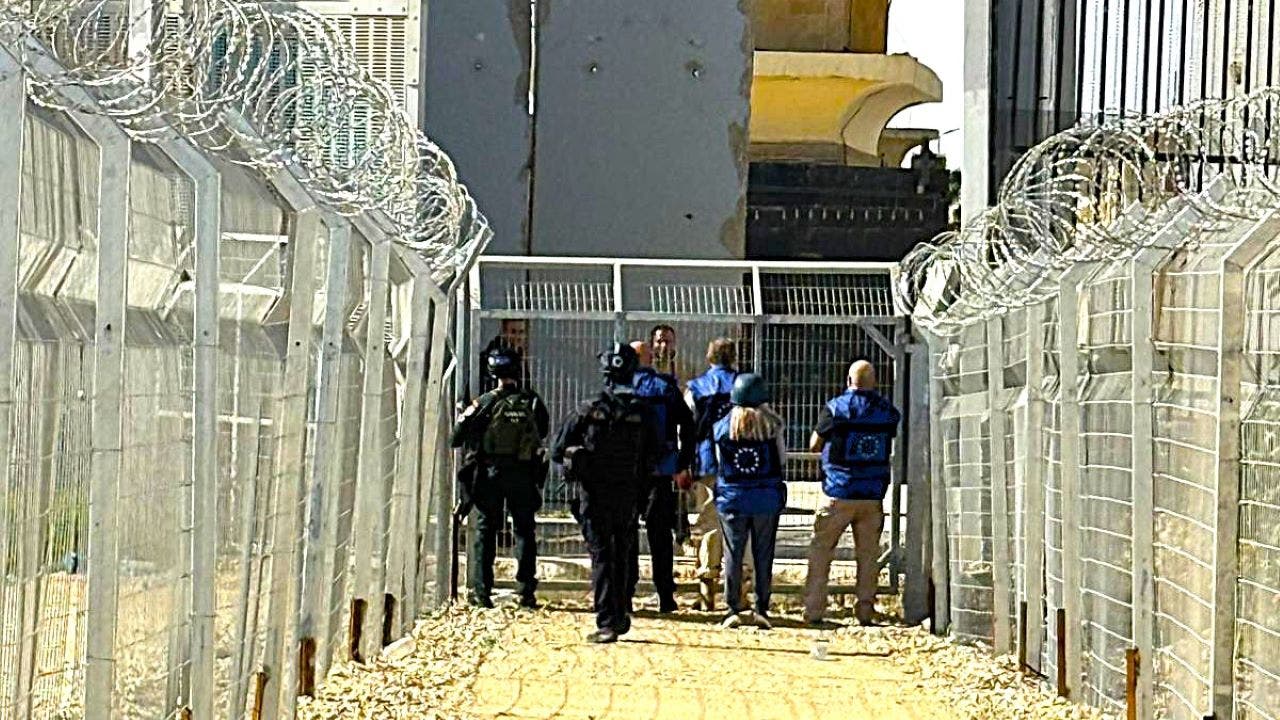
Security at the Rafah Crossing will be managed by Israeli forces in collaboration with Egypt, and operations will be monitored by a European Union mission.
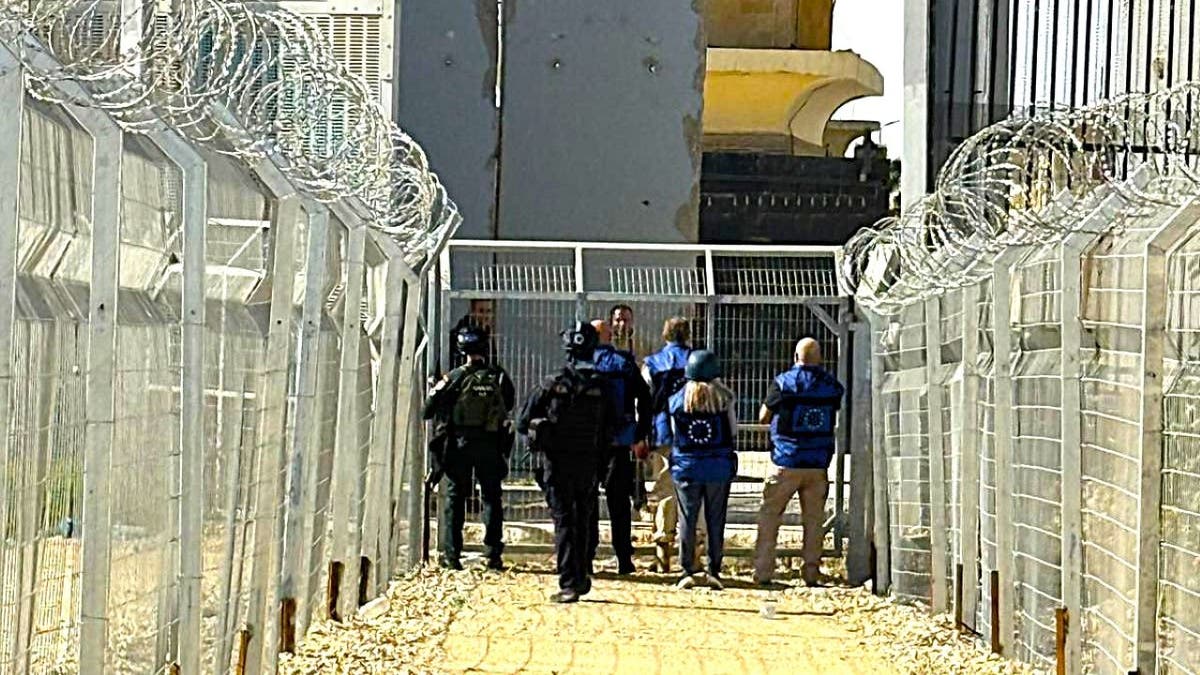
The test reopening on Sunday was a coordinated effort between Israel and Egypt to assess the logistics at the Rafah Crossing, as stated by COGAT.
Only Gaza residents who left during the conflict will be permitted to return from Egypt, and they will require prior security approval from Israeli authorities.
“The Rafah crossing has reopened for the movement of people only. Today, a pilot is underway to test and assess the operation of the crossing,” COGAT said in a statement.
“The movement of residents in both directions, entry and exit to and from Gaza, is expected to begin tomorrow,” the statement continued.

Israeli Prime Minister Benjamin Netanyahu says the crossing is opening under President Trump’s peace plan. (Haim Zach/GPO)
Israeli Prime Minister Benjamin Netanyahu’s office said last week that Israel agreed to the “limited reopening” of the crossing under President Donald Trump’s 20-point peace plan.
“As part of President Trump’s 20-point plan, Israel has agreed to a limited reopening of the Rafah Crossing for pedestrian passage only, subject to a full Israeli inspection mechanism,” the Office of the Prime Minister of Israel wrote.
The Prime Minister’s Office said the reopening was contingent on the return of all living hostages and what it described as a “100 percent effort” by Hamas to locate and return the remains of all deceased hostages.

The body of Ran Gvili, the last hostage held in Gaza, was brought home for burial on Jan. 26, 2026. (The Hostages and Missing Families Forum Headquarters)
The remains of the final Israeli hostage, Staff Sgt. Ran Gvili, were found by Israel and returned last week.