
Share this @internewscast.com
At age 40, I decided to dramatically shorten my hair coinciding with the realization of the extensive impact that alcohol had on my life. As a Beauty Editor with over 25 years of experience at glossy magazines, my job involves trying out luxury products and discussing tips for achieving radiant skin and vibrant, healthy hair.
However, behind the scenes, alcohol was discreetly undermining my health, and my actions were far removed from the polished ‘Beauty Editor’ persona I was expected to maintain.
I was your classic ‘grey area drinker’ – not an alcoholic, but also not someone who would skip that 5pm pre-dinner glass of wine either.
My drinking was in that ambiguous middle area that many women recognize: consuming more than what’s healthy, but not enough to alarm friends.
Nevertheless, the consequences were clear: after just a few (admittedly hefty) drinks, I would black out or vomit post-outings; coupled with severe 3am anxiety, sleep became elusive, making the following day dreadful.
By my forties, the once long, shiny hair I proudly flaunted at beauty events had become so thin and damaged that I had no choice but to cut it into a chin-length bob.
My hairstylist suggested this style to regain some fullness and eventually promote growth. Yet, it never went past shoulder-length, stubbornly stuck with fragile ends that broke often.
When Covid and lockdown hit, I was 44, perimenopausal and, like many of us, drinking at home more than ever.

By my early forties, my hair – once long and glossy, the kind I swooshed around at beauty launches – had thinned and broken so badly I felt forced to chop it into a chin-length bob

Two weeks after my birthday party, I cut alcohol out of my life for good. The benefits came almost immediately
My chin-length bob hadn’t grown much in the four years since I’d cut it, and desperate to return to the length I loved, I turned to extensions.
I went straight to the salon just as hairdressers opened after the second lockdown ended in April 2021. The extensions gave me the swoosh factor, but the upkeep and expense quickly wore thin.
When I eventually took them out, I was shocked to see my real hair was weaker and more breakable than ever. I assumed hormones were to blame – perimenopause had gifted me hair thinning, brain fog, anxiety and sleepless nights – but I didn’t realise alcohol was silently holding my hair back too.
Then, just after my 48th birthday last year, I quit drinking.
For eight years, I’d battled with the little voice in my head telling me to stop, but something finally clicked. Two weeks after my birthday party, I cut alcohol out of my life for good. The benefits came almost immediately.
Within a week, my skin looked brighter and less puffy. By the end of the first month, I was sleeping through the night instead of waking up with that familiar bolt of anxiety.
My energy improved and I was less moody. The transformation was so quick and obvious that I wish I’d made the leap to sobriety sooner.
But the unexpected change to my hair didn’t come until much later. About ten months in – well past the much talked about ‘magic 100 days’ of sobriety when the cravings stop – I noticed a new, dramatic transformation. This time, it was my hair.
The thinning patches around my hairline began to fill in. Fragile front sections grew stronger, no longer snapping.

My hairdresser said the chop would coax some thickness back into my locks and eventually grow out

Alcohol was quietly sabotaging my hair – and my behaviour hardly fitted the polished ‘Beauty Editor’ image that I was supposed to embody
Even my ponytail felt thicker – no more wrapping a band around it multiple times. But it was the length that shocked me most.
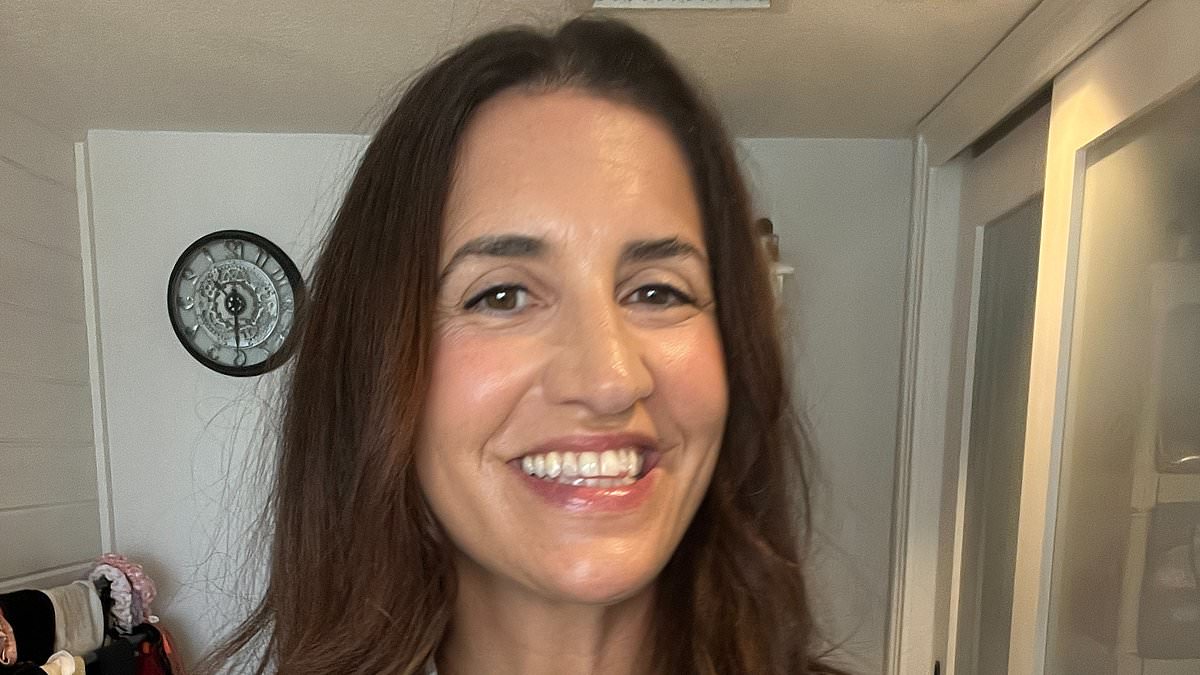
For the first time since my twenties, my hair grew well past my shoulders – glossy and healthy – no extensions required.
‘Giving up alcohol can make a visible difference to your hair,’ explains clinical trichologist Kate Holden. ‘Without the dehydrating and nutrient-stealing effects of drinking, hair often appears shinier, stronger and less brittle. While you may not get the exact thickness and length of your youth, you can absolutely improve the quality and vitality of your midlife hair.’
Unlike skin, which reflects lifestyle changes like sobriety within weeks, hair takes far longer to show the benefits. And that’s exactly why I didn’t see improvements straight away. ‘Skin reacts quickly to lifestyle changes because it renews itself every few weeks, but hair works to a much slower timetable,’ says Kate.
‘Each follicle has a cycle lasting months, which is why improvements take longer to show.
‘Most women notice shinier, less dry hair and reduced shedding around the three to six-month mark. Visible improvements in thickness and strength tend to need more patience.’
This patience is especially important during perimenopause, when hair is already under attack. ‘During perimenopause, our hair is already more vulnerable because of falling oestrogen levels, and alcohol adds fuel to the fire,’ adds Kate.
‘It dehydrates both the scalp and hair shafts, making them prone to dryness, frizz and breakage.’
Kate also points out that drinking regularly can worsen sleep and disrupt your hormones, both crucial to hair growth too.
‘Sleep and stress regulation play a bigger role in hair growth than most people realise,’ she explains. ‘Combine those effects with the natural hormonal shifts of perimenopause and you have the perfect storm for thinning, brittle hair.’
It’s a warning echoed by trichologist Anabel Kingsley, who stresses that alcohol also interferes with nutrition too.
‘Drinking too much alcohol can impact nutrient absorption and may contribute to nutritional deficiencies – like vitamin B12 and zinc deficiency, which can cause hair loss,’ she explains.
And it’s not just what alcohol takes away in your diet, but also what it replaces.
‘Drinking with meals can result in eating fewer nutritious foods and filling up on wine instead,’ she says. ‘Or it can spike blood sugar, making you crave high sugar foods, as opposed to nutrient-dense proteins and veg.’
For me, sobriety kickstarted a more virtuous (but not boring, I promise) cycle that supported my hair too.
‘When you make healthy lifestyle changes, like quitting alcohol, you often look after yourself in other ways,’ says Anabel.
‘For instance, by exercising more, finding better ways to manage stress levels and eating a healthier diet.’ That was exactly my experience. Once I stopped drinking, I felt more in control. I ate better, I had energy to workout every day and I wasn’t undoing my healthy meals with glasses of rose and crisps.
Instead, I found myself craving proper food – the very nutrients my hair had been crying out for. Looking back, I can see how alcohol was blocking not only my energy and self-worth but also the building blocks my hair needed to thrive.
I’m 49 now, and I’d never imagined I’d be both sober – and happy with it – and once again swooshing my own glossy, healthy hair. Sometimes I catch myself in the mirror and think of the woman I was before sobriety: exhausted, anxious with a short brittle shoulder-length bob that refused to grow. And the contrast couldn’t be more striking.
It’s proof that the benefits of sobriety run far deeper and far longer than you might think.
And for this Beauty Editor, nothing feels better than walking into a beauty event and showing off my own shiny, long natural hair again.