
The National Theatre is shaking up its ticket pricing strategy, introducing ‘dynamic pricing’ that seems to challenge middle-class families. This initiative is part of the theatre’s effort to make performances more accessible to students and those without employment.
In this new approach, the government-subsidized theatre is altering ticket prices in response to demand, promising that a quarter of all tickets will be available for £30 or less. This move aligns with their commitment to affordability, allowing a broader audience to enjoy their productions.
These budget-friendly seats are open to everyone, but there’s a catch—they are restricted to a maximum of two tickets per individual. This limit ensures a wider distribution among the audience.
Additionally, there’s a special provision for ‘reduced standby’ tickets, priced at £20, £25, or £30. These are exclusively available an hour before showtime to students, members of theatre unions, and those currently unemployed.
Consequently, families from middle-class backgrounds might find themselves shelling out more for seats at in-demand performances. This dynamic pricing model is designed to automatically adjust ticket costs when demand surpasses supply, aiming to balance affordability with economic sustainability.
Dynamic pricing is a model where firms adjust ticket prices automatically when demand is higher than supply.
One father claimed that for War Horse tickets at the National Theatre on Saturday in June for himself, his partner and two children, he was quoted £440.
Another person was offered a price of £160 for the same tickets for the same number of people at the Monday performance.
Meanwhile, one person said he had been quoted £162 for two Les Liaisons Dangereuses – a new show featuring Poldark’s Aidan Turner.
However, he then received another quote at £220 for the same show starring Lesley Manville for nearly identical seats.

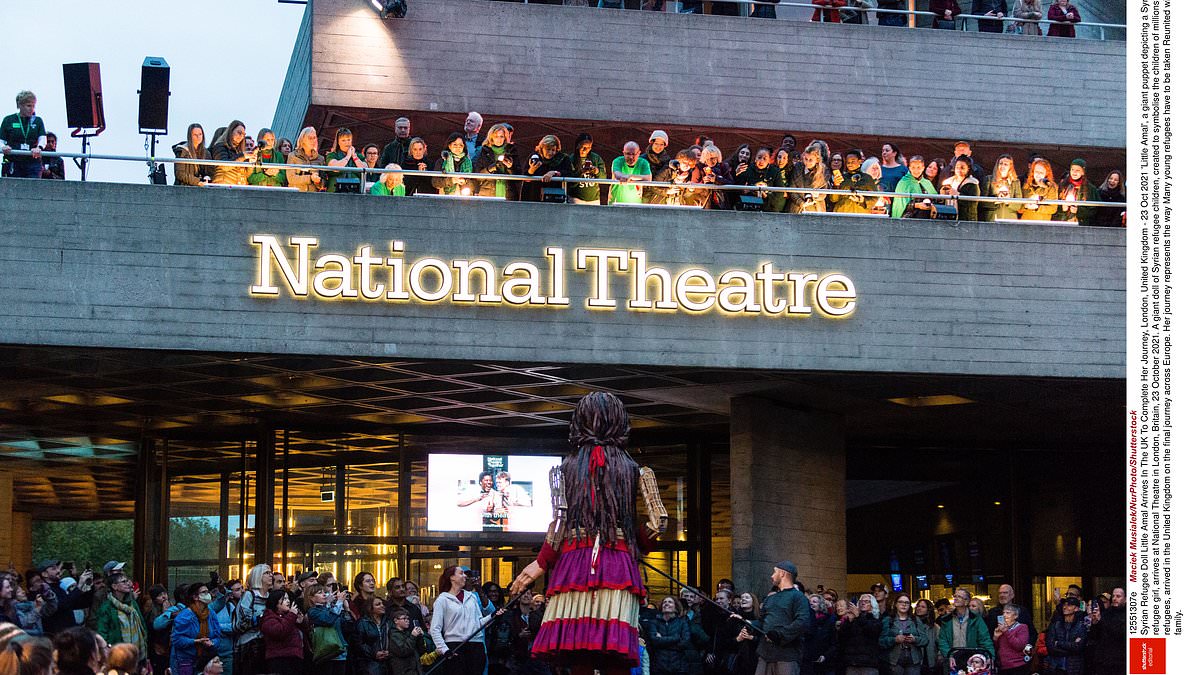
London Southbank’s National Theatre (pictured) was launched by Sir Laurence Olivier in 1963
It comes as families receiving benefits can claim substantial discounts at major UK attractions, while those working pay more than £100 for the same trips.
A family of four can visit the Tower of London for just £4 instead of £111 if one parent receives universal credit.
While entry to Buckingham Palace, which is typically £99 for a family of four, is just £1 a ticket for those on universal credit, a saving of £95 for two adults and two children.
More than 80 attractions give discounts to benefit claimants, with MPs reacting furiously to the loophole, with one saying the system created a ‘two-tier system that punishes work’.
London Zoo offers universal credit claimants an £82 reduction, reducing a family ticket down from £108 to £26.
Westminster Abbey provides a £60 saving from its standard £62 family price, costing families just £2.
HMS Belfast provides a £68 saving, with St Paul’s Cathedral, Kew Gardens, Kensington Palace and the Cutty Sark all offering similar reductions.
Around 106,000 visitors used £1 tickets to gain entry to the Tower of London from April 2025 to March 2026, Historic Royal Palaces said.
Meanwhile, London Zoo sold 300,000 reduced tickets in 2024/25, requiring only a screenshot or PDF as proof of eligibility.
Christopher Swindon from the Institute of Economic Affairs think tank also warned that people will face paying more to cover ticket prices for other groups.
Mr Snowdon said: ‘The UK has a whole web of subsidies and discounts that are not officially a part of the welfare state but which nonetheless redirect money from those who do not claim benefits to those who do.’
A National Theatre spokesperson told the Telegraph: ‘In common with many performing arts organisations, the National Theatre does occasionally adjust prices as this supports our ability to offer a large quantity of accessibly priced tickets £30 or under.’
They added that their booking fee, priced at £4, was ‘in line with the many other publicly subsidised at venues’, adding that groups like students were exempt.
A spokesperson for the National Theatre said: ‘At the National Theatre, we are committed to keeping our work affordable and accessible to everyone – 25% of tickets are £30 or under on the South Bank this year.
‘In common with many performing arts organisations, the National Theatre does occasionally adjust prices as this supports our ability to offer a large quantity of accessibly priced tickets at £30 or under.
‘We don’t increase the price or the proportion of our lowest priced tickets, and we never exceed our advertised top price.’