
Share this @internewscast.com
Approximately nine million people in the UK might be unknowingly facing an increased risk of heart attacks, strokes, and kidney failure due to an unrecognized health syndrome, experts have cautioned.
This condition, known as cardiovascular-kidney-metabolic (CKM) syndrome, is an interconnected web involving heart disease, chronic kidney disease, type 2 diabetes, and obesity. When these health issues converge, they significantly hasten the deterioration of the heart, blood vessels, and kidneys.
Despite its severe implications, CKM syndrome has yet to gain formal recognition within the NHS. As it stands, patients are often treated for each ailment independently—a disjointed approach that health professionals argue leaves many unaware of the full extent of their health risks and postpones critical, life-saving interventions.
Alarmingly, projections indicate that an additional 40 million adults could develop this syndrome in the coming years, underscoring the urgent need for comprehensive healthcare strategies.
In a pivotal study released last year, researchers discovered that addressing these conditions collectively, rather than in isolation, markedly diminishes the risk of heart attacks.
In light of these findings, medical organizations in the United States have begun to recognize CKM as a single condition, prompting calls from doctors for similar recognition and action in the UK.
‘These conditions come as a package and need to be treated as a package,’ said Professor Vivekanand Jha, chairman of global kidney health at Imperial College London. ‘Recognising CKM would make it clear to patients that having one of these conditions puts them at risk of others – many of which are preventable. For too long, care has been split between specialties. ‘We need a preventative approach that starts in primary care, where people are warned about risk factors early enough for action to be taken.’
So what is CKM – and why does the NHS still stop short of treating it as a single condition?

Richie Meretighan was diagnosed with type 1 diabetes at 18, after months of struggling with fatigue, and prescribed insulin. But two years later, during his first year at university, the symptoms returned
CKM syndrome is a term used to describe patients whose obesity, diabetes, kidney disease and heart disease are biologically linked, rather than separate illnesses.
It reflects the reality that damage in one system can rapidly trigger damage in others, sharply increasing risk of heart attack, stroke, kidney failure and early death.
The term was coined by the American Heart Association to help doctors identify high-risk patients earlier and treat the conditions together, instead of waiting for multiple diagnoses. In the US, it is now used to guide screening, treatment and prevention.
In the UK, however, the syndrome is not formally recognised. Care remains largely split between cardiology, diabetes and kidney services, meaning patients are often treated for one condition without being warned that they may already be on a pathway towards others.
That matters because the scale of the problem is vast – and the consequences can be devastating.
In a video posted to TikTok and viewed more than 20,000 times, a 22-year-old mother of one said ‘the pain is not normal and neither is my life now’, after being diagnosed with just 3 per cent kidney function following years of uncontrolled high blood pressure, which she did not realise was a warning sign. She said she has been ‘stuck’ on dialysis for ‘eight months now and it’s getting harder’.
‘The kidney transplant list is a wait of a minimum of two to three years,’ she added.
Meanwhile, a 63-year-old woman who lived with type 2 diabetes for years before being diagnosed with chronic kidney disease said her dreams had been crushed.
‘I had looked forward to my retirement, but today I realised I just don’t have the energy to cycle, garden, learn to cook Thai food or travel,’ she wrote on Facebook.
‘I wanted to volunteer to work somewhere with children.’
A major US study published earlier this year found that nearly 90 per cent of adults already show early signs of CKM-related damage, while 15 per cent meet the criteria for advanced disease – meaning they have diabetes, heart disease or kidney disease, or are at very high risk of developing them.
Experts warn the same pattern is emerging in the UK, driven by rising obesity, high blood pressure and elevated blood sugar levels.
Chronic kidney disease alone affects more than seven million Britons and contributes to around 45,000 deaths a year. Crucially, it often causes no symptoms until the kidneys are close to failing, leaving an estimated one million people unaware they are already ill.
The links between the conditions are well established. Adults with diabetes – a condition that causes sugar to build up in the blood – are around twice as likely to suffer heart disease or stroke.
Nearly four in ten people with diabetes will develop kidney disease, and up to a third will progress to a severe form that can lead to organ failure.
Put simply, diabetes places the body under constant internal strain. Excess sugar in the blood damages blood vessels, raises blood pressure and forces organs such as the heart and kidneys to work harder day after day. Over time, that cumulative wear and tear takes its toll.
As damage builds in one system, pressure increases on the others. High blood pressure causes and speeds up kidney damage, while failing kidneys in turn place extra strain on the heart – creating a self-reinforcing cycle that can progress quietly for years.
Despite this, experts warn many patients are never told how closely these risks are linked, or that a single diagnosis may already put them in serious danger of developing others.
Research by Kidney Care UK shows that 65 per cent of people with diabetes and high blood pressure who later developed chronic kidney disease were not told they were at higher risk.

Nearly four in ten people with diabetes will develop kidney disease, and up to a third will progress to a severe form that can lead to organ failure
Almost 40 per cent of people with diabetes are also missing out on simple urine tests that can identify early signs of kidney damage and allow treatment that can slow or halt progression.
‘Whether it is lifestyle changes, such as improving diet or increasing exercise, or prescribing new medicines shown to benefit the heart, metabolism and kidneys, patients need to be informed of the risk and the measures they can take as soon as possible,’ said Professor Jha.
The new class of tablets he refers to – known as SGLT2 inhibitors – can reduce the risk of heart disease and death from cardiovascular causes by around a third, slow the progression of kidney disease by about 40 per cent, and cut the risk of needing dialysis or a transplant by a quarter.
Experts say the emergence of drugs such as these underlines why the conditions must be treated together.
While the NHS has not formally adopted a joined-up approach, some specialist clinics have demonstrated the potential benefits. A programme at Queen Elizabeth Hospital Birmingham trialled integrated care for patients with cardiovascular disease, with striking results.
Research published last year found that patients who had suffered a heart attack and were treated using this approach were 50 per cent less likely to have another heart attack, stroke or die, compared with those receiving standard care.
‘Rather than just treating patients with cardiovascular drugs, we also looked at their metabolic and renal health,’ said Dr Mark Thomas, associate professor of cardiology at the University of Birmingham, who runs the programme.
‘The results show the importance of treating these conditions simultaneously.
‘If you scale this preventative approach to patients who have not yet had a heart attack, the potential gains are enormous – particularly for those with high blood pressure or cholesterol.
‘It could prevent thousands of serious events every year and save the NHS millions.’
Charities are calling on the NHS to adopt integrated care to prevent patients developing chronic kidney or cardiovascular disease.
‘These conditions are fundamentally linked,’ said Fiona Loud, policy director at Kidney Care UK.
‘Patients with these underlying risk factors often tell us they wish they had been warned about the risk to their kidneys. If kidney disease is caught early, progression can be halted and the need for dialysis or transplants prevented – but too many people with known risk factors are still not being tested,’ she added.
‘What we really need is integrated care and proper adherence to existing guidelines – it should not be down to patients with diabetes to ask for their kidneys to be checked.’
An NHS spokesman said: ‘Cardio-renal-metabolic services are already in place in several parts of the country.
‘The NHS is also supporting one million people through our NHS diabetes prevention scheme, which includes those at higher risk of major health conditions like heart attack, stroke, and kidney failure.
‘So, if you or someone you know is worried about any conditions which they may be at higher risk of, please speak with your relevant clinical specialist team.’
By the time doctors told me about the risk, it was too late…
When Richie Meretighan was finally diagnosed with type 1 diabetes at 18, after months of struggling with fatigue, he thought his health problems were behind him.
He was prescribed insulin to keep the condition under control. But two years later, during his first year at university, the symptoms returned. He was again hit by exhaustion, alongside persistent insomnia.
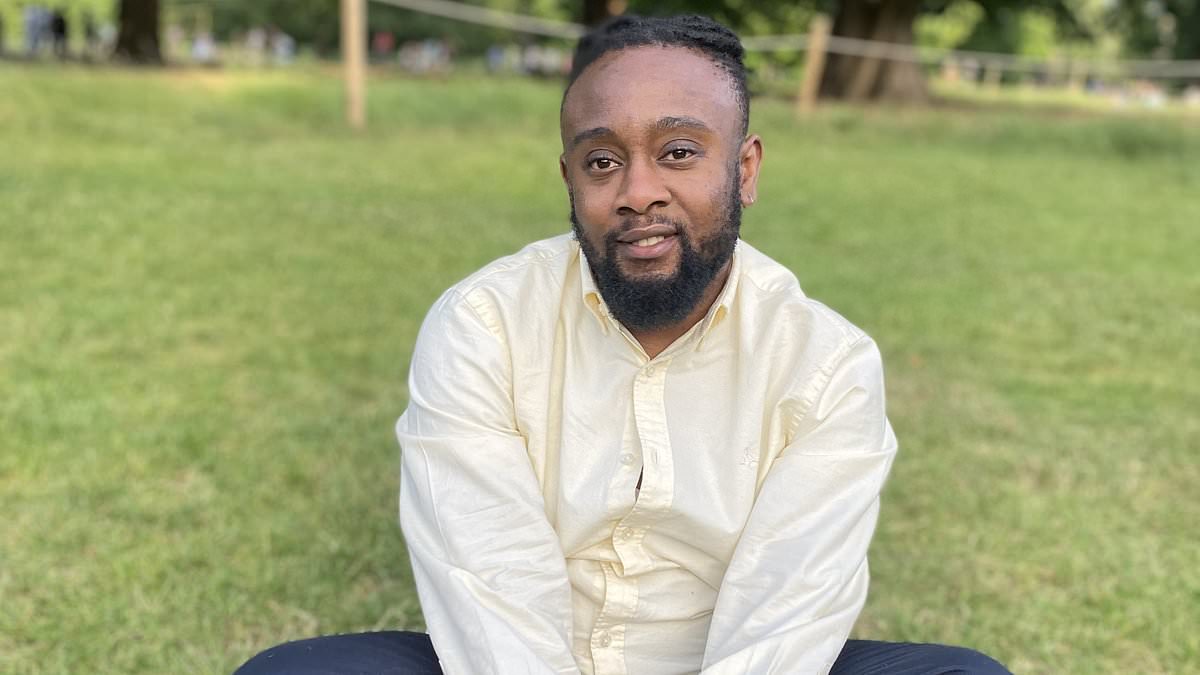
‘I knew something wasn’t quite right,’ said Richie, left, now 34.
‘At first it felt like doctors – and the university – were gaslighting me, suggesting my symptoms were down to drinking or the workload of my degree.
‘But I was very active, regularly going to the gym. So when I started getting swelling in my ankles, I knew something else was going on. After my experience getting a diabetes diagnosis, I was determined to get to the bottom of it.’
He was eventually diagnosed with end-stage kidney disease and placed on the transplant waiting list. The severity of his condition forced him to drop out of his architecture degree and move back home to Essex.
While waiting for a transplant, his health deteriorated further. He began to lose his vision, which doctors later discovered was caused by years of uncontrolled high blood pressure.

Richie Meretighan was diagnosed with end-stage kidney disease and placed on the transplant waiting list
Following his transplant, Richie has been able to return to an active lifestyle and progress his career. He no longer needs statins for his blood pressure.
But he wishes doctors had warned him earlier that having diabetes placed him at risk of developing multiple serious conditions. ‘I wish I had been told when I was diagnosed with diabetes that there was a risk of these other conditions,’ he said.
‘Even if I couldn’t have prevented the disease, I would have stayed closer to home and my support network.
‘Going through it alone was incredibly hard.’
Have you been affected by the new syndrome? Write to us at health@mailonsunday.co.uk