
Share this @internewscast.com
On Tuesday, oil prices experienced a significant decline following Donald Trump’s announcement of a temporary two-week ceasefire with Iran, aimed at reopening the Strait of Hormuz.
Trump shared the ceasefire news on Truth Social, leading to a dramatic 18 percent decrease in U.S. crude oil prices, which fell to below $93 a barrel after reaching highs above $117 earlier that day.
This sharp reduction in oil prices marked the most substantial single-day drop since the Gulf War in 1991.
In addition to crude oil, the prices of natural gas and heating oil also saw notable decreases as a result of the ceasefire announcement.
Brent crude oil futures decreased by approximately six percent, settling at $103.40. Despite the drop, these prices remain significantly higher than they were at the conflict’s onset.
As reported by NBC News, Dow futures surged by 1,000 points, while Nasdaq 100 futures climbed nearly three percent, and S&P 500 futures increased by over 2.5 percent.
In the bond market, Treasury yields eased on word of a potential cease-fire. The yield on the 10-year Treasury fell to 4.24 percent from 4.30 percent earlier Tuesday.
That’s still well above its 3.97 percent level from before the war, and the rise has pushed up rates for mortgages and other loans going to US households and businesses, which slows the economy.

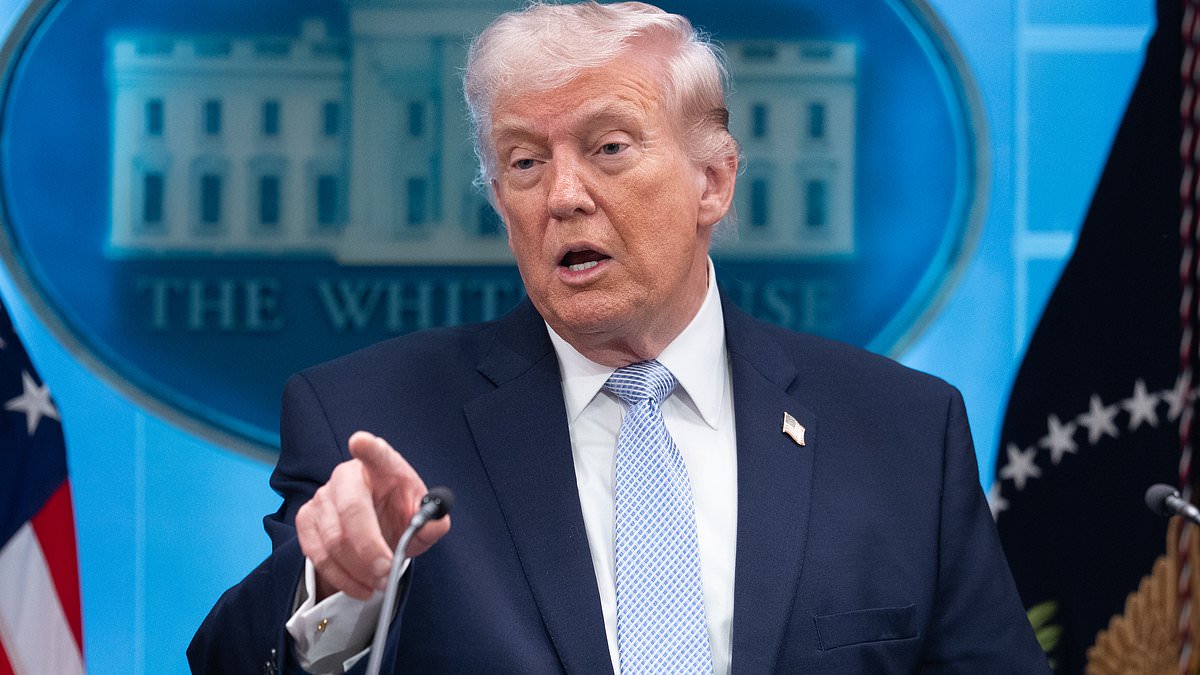
Oil prices dropped across the board on Tuesday after Donald Trump announced a two-week ceasefire with Iran that would see the reopening of the Strait of Hormuz

An aerial view of the Iranian shores and the island of Qeshm in the strait of Hormuz
Shipping in the Strait of Hormuz, a chokepoint in the Persian Gulf through which 20 percent of the world’s oil normally flows, had been all but halted, sending oil prices soaring and roiling the stock market.
Trump said Iran has proposed a ‘workable’ 10-point peace plan that could help end war the US and Israel launched on February 28.
Iran’s Supreme National Security Council said it has accepted a two-week ceasefire and its foreign minister said passage through the strait would be allowed for the next two weeks under Iranian military management.
Earlier, US stocks swung sharply during regular trading as uncertainty about the war with Iran increased after Trump had threatened that a ‘whole civilization will die tonight, never to be brought back again’ if Iran did not meet his deadline at 8pm Eastern time to open the Strait of Hormuz.
Oil prices have spiked because the war has snarled the production and transportation of crude in the Persian Gulf.
Much of that oil exits the gulf through the Strait of Hormuz to reach customers around the world, but Iran has blocked it to enemies.
The worry in markets has been that a long-term disruption will keep oil prices high for a long time and send a painful wave of inflation crashing through the global economy.
Trump kept traders on edge by making a series of threats to blow up Iranian power plants only to delay several times.
Join the discussion
Should the U.S. trust Iran’s promises and ease up, or is this ceasefire a risky move for global security?

A year ago, Trump ultimately backed off many of the stiff tariffs that he initially threatened to put on imports from other countries, though they ended up higher than from before his second term.
Trump posted on Truth Social, ‘I agree to suspend the bombing and attack of Iran for a period of two weeks,’ after earlier sparking doomsday fears when he threatened to wipe out its ‘entire civilization’ if they did not reopen the Strait.
The President said that after talks with Pakistani Prime Minister Shehbaz Sharif he had been assured that Iran will agree ‘to the complete, immediate, and safe opening of the Strait of Hormuz.’
‘This will be a double-sided ceasefire,’ Trump wrote. ‘The reason for doing so is that we have already met and exceeded all military objectives, and are very far along with a definitive agreement concerning long-term peace with Iran.’
Israel also agreed to halt attacks on Iran for two weeks, a senior White House official told Axios, with the ceasefire taking effect once the Strait of Hormuz is re-opened.
Iran accepted the Pakistan-brokered deal after a last-minute Chinese intervention urged Tehran to show flexibility over the war’s economic fallout, three Iranian officials told the New York Times.
Iran’s 10-point plan, published by state-run Tasnim news agency, demands the US accept Tehran’s continued control over the Strait, recognize its right to uranium enrichment, lift all sanctions, pay compensation and withdraw all troops from the region.