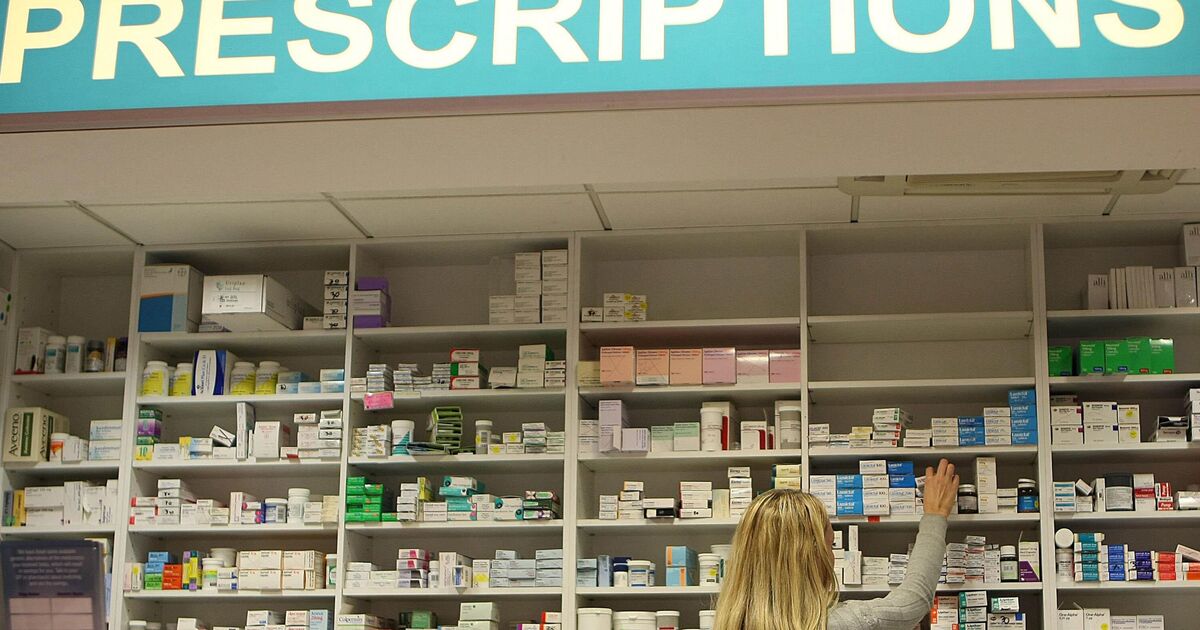

Pharmacies have long been recognized as one of the most efficient components of the NHS. However, many community pharmacies are now struggling with operating at a loss. While these pharmacies function as independent businesses, over 90% of their revenue is derived from NHS-commissioned services, such as supplying medications and providing health advice through initiatives like Pharmacy First and other clinical offerings.
During the Covid pandemic, pharmacies became a critical resource, and they continue to serve vital roles. Yet, they have faced funding cuts exceeding 30% in real terms over the past decade, even as their workload has increased by more than 50%. This paradox of doing significantly more with substantially less financial support is unsustainable. Although last year’s financial settlement was more favorable due to ministerial recognition of an impending crisis, it couldn’t reverse a decade of funding reductions. Additionally, increases in business rates, employer National Insurance, and the National Minimum Wage quickly negated any financial gains from the settlement.
Recently, the hospitality industry has vocalized concerns about rising costs, including National Insurance and minimum wage hikes, a situation mirrored by pharmacies. Unlike hospitality businesses, pharmacies can’t simply increase prices. The bulk of their income, about 90%, comes from NHS prescriptions and services with predetermined fees.
Pharmacies have limited options to offset rising costs. While they can increase prices on non-essential items like toothbrushes and toothpaste, these constitute a minor revenue stream. Some offer private services such as Mounjaro injections or ear wax removal, yet these often serve to subsidize underfunded NHS commitments.
This financial strain has led to more closures and consolidations within the industry. For instance, Boots, the largest provider, has shuttered over 300 locations in recent years. Lloyds, the second-largest, exited the business entirely by selling its operations. Sainsbury’s opted to close its pharmacies, choosing instead to maximize profit by repurposing the space for more lucrative grocery sales. While these services benefit the community, they are not financially viable.
Pharmacies that cannot support their contracts through private services face closure, disproportionately affecting underserved communities where patients lack the means for private healthcare expenditures. When a pharmacy closes, it leaves a significant void, causing stress and inconvenience for the entire community it once served.
The impact on patients is real and immediate if you can’t get your medicines. People are getting really frustrated but, with problems in the supply of medicines, pharmacies are expending so much energy trying to source drugs and then getting grief when they can’t get prescriptions on time and patients are left waiting.
There’s got to be more money put into the NHS pharmacy contract and the Drug Tariff, what we’re paid for dispensing medicine, but also for the overheads – like lighting, heating and staffing – to keep the doors open. We haven’t started negotiations yet for next year’s settlement but we’ve already been given gloomy warnings that there isn’t enough money in the NHS pot.
The bottom line is that many pharmacy services are crumbling. The whole system is incredibly fragile and the really small independents – those who might own one or two pharmacies – really stuck. It’s not easy for them to exit because their pensions may rely on them selling that business. But if they’re not profitable, they can’t sell up.
We’re in a very grim situation. Pharmacies are a vital community asset and too many are at risk. And I’m afraid it all comes down to money.
- Janet Morrison is Chief Executive of trade body Community Pharmacy England